
Certificate Program
The ACL Reconstruction Comeback: A Live Case Series
The Ultimate ACL Rehab Experience—Real Patient. Real Progress. Real Results. A real‑world, unscripted 18‑month ACL reconstruction rehabilitation documentary—evidence‑based, expert‑led, and clinically focused to elevate your practice.
Browse PlansAlready a subscriber? Sign in to start
About this Certificate Program
Imagine stepping into a real‑world, unscripted ACL reconstruction rehabilitation documentary that is evidence‑based, expert‑led, and clinically focused to elevate your practice. This groundbreaking course series brings ACL reconstruction rehabilitation to life through the lens of a one athlete’s 18-month journey—from pre-operative planning to return-to-sport and discharge. With each phase, you’ll gain practical insights, sharpen your clinical decision-making, and apply the latest evidence-based strategies in real time.
Led by Drs. Phil Plisky and Kyle Matsel, you will explore early management of complications, structured strengthening, movement correction, running progressions, plyometric drills, agility training, and a return‑to‑sport testing system. Each course combines robust clinical reasoning, biomechanics, movement screening, and functional testing strategies—grounded in real session footage and expert commentary.
From navigating the toughest early setbacks to unlocking peak performance in the final stretch, this immersive journey pushes you to think critically, act decisively, and treat like a high-level expert—every step of the way.
Target audience
- Physical Therapists
- Athletic Trainers
- Sports Medicine Physicians/Physician Assistants/Physiotherapists
- Strength & Conditioning Coaches
Goals & objectives
-
Design progressive ACL rehabilitation programs from preoperative preparation through full return to sport.
-
Apply evidence-based clinical reasoning to address early complications and guide intervention selection.
-
Utilize movement analysis and functional testing to inform patient progression and treatment adjustments.
-
Establish and implement robust return-to-sport criteria, including physical and psychological readiness.
-
Integrate advanced loading strategies and performance drills to optimize patient outcomes.
What’s included in the Certificate Program

Accredited Online Courses*
11 hours of online video lectures and patient demonstrations.

Case Study Interviews
Recorded Q&A sessions between instructors and practice managers.

Interactive Learning Assessments
Case-based quizzes to evaluate and improve clinical reasoning.
Certificate Program overview
Section 1
Foundational Prep and Early Recovery 2 ItemsACL Rehab Live Patient Case Series Part 1: Setting Up Success Course
Chapter 1: Introduction and Preoperative Visit
Restoring knee function prior to ACL reconstruction surgery is important to optimize rehabilitation and performance goals postoperatively. In this chapter, the learner is introduced to a high school athlete who recently tore his ACL and is preparing for surgery. After completion of this chapter, the learner will understand the importance of preoperative consultation to maximize knee function prior to surgery, establish rehabilitation expectations, and outline return-to-sport and discharge criteria.
Chapter 2: Immediate Postoperative Phase: Visit 1
The immediate post-op period is critical for setting a high-quality foundation for knee function and performance. This chapter will include collaboration with the orthopedic surgeon regarding the treatment plan, and demonstration of important education, precautions, and interventions during the first postoperative week.
Chapter 3: Immediate Postoperative Phase: Visit 1 Continued
Restoring the fundamental quad activation and assessing basic ability to control knee extension is essential for optimal outcomes after ACL reconstruction. This chapter provides specific strategies for examining and intervening in these fundamental but vital impairments.
ACL Rehab Live Patient Case Series Part 2: Early Management and Challenges Course
Chapter 1: Key Solutions to Common Complications
During the immediate post-op period, complications such as poor quad function, limited knee ROM, and excessive swelling can delay functional progress. This chapter will include skilled techniques and key educational tactics for mitigating these common complications. The learner will gain confidence when managing these complications to continue to achieve the rehabilitation milestones and biomarkers required for progression.
Chapter 2: Phase II (Days 7-21): Incorporating Basic Movement
After completion of this chapter, the learner will understand the importance of incorporating basic movement assessment and interventions to aid functional recovery. Assessment interverntion for breathing and basic movement patterns are discussed.
Chapter 3: Phase III (Weeks 3-6): Systemizing Basic Movement
As knee ROM and swelling begin to normalize, the focus begins to shift to incorporating knee function into more global movement patterns. Systematic evaluation, using the SFMA, guides the learner toward the potential impairments and risk factors which may have contributed to the initial ACL injury. After completion of this chapter, the learner will understand how to use movement to guide intervention decisions to create a foundation for higher-level strength and performance gains.
Section 2
Strength, Movement, and Loading Progressions 3 ItemsACL Rehab Live Patient Case Series Part 3: Strengthening and Complex Movement Course
Chapter 1: Phase IV (Weeks 7–8): Advanced Strengthening
In this chapter, the learner will continue to follow the rehabilitation progress of a high school athlete following ACL reconstruction. After completion of this chapter, the learner will understand the importance of advancing open– and closed–kinetic chain strengthening including optimizing the most effective volume and intensity to achieve the desired strengthening effect.
Chapter 2: Complex Movement and Strength Testing: Phase V (Weeks 9–11)
The ACL rehabilitation process is a long journey, which makes it critical to frequently revisit the discharge expectations throughout. In this chapter, the learner will be exposed to basic movement testing with the FMS and YBT-LQ and initial strength testing to evaluate how the athlete is progressing toward achievement of the rehabilitation milestones and biomarkers required for progression.
Chapter 3: Incorporating Complex Movement Correction
Testing biomarkers creates perspective for the patient on how he or she is progressing, but corrective strategies based on the testing results should also be included in the overall treatment plan. Systematic evaluation, using the FMS, YBT-LQ, and isokinetic strength testing, guides the learner toward deficits and impairments that require improvement. After completion of this chapter, the learner will understand how to use movement and strength testing to guide intervention decisions to create a foundation for progression to running and plyometrics.
ACL Rehab Live Patient Case Series Part 4: Loading Up to Run Course
Chapter 1: Phase V (9–11 Weeks): Rebuilding the Squat
A dysfunctional squat pattern can occur for a variety of reasons in patients post ACL reconstruction. In this chapter, Dr. Matsel demonstrates individualized programming considerations that will equip rehabilitation professionals with the tools to assess and implement effective strategies to restore and train the squat. Optimizing the squat is foundational to improving the patient’s functional outcomes and readiness for higher-level activities such as running.
Chapter 2: Early Plyometrics and Targeted Exercise Progressions
In this chapter, the learner will discover how to introduce low-impact plyometric drills that enhance joint proprioception and muscular coordination without compromising the integrity of the healing ACL graft. Drs. Plisky and Matsel progress targeted exercises to improve core stability based on functional testing results and provide helpful coaching instruction for higher-level strengthening.
Chapter 3: Phase VI (12–24 Weeks): Running Progression
In this chapter, Dr. Plisky provides a comprehensive guide to safely returning to running after ACL reconstruction surgery, with a particular focus on monitoring and optimizing running cadence.
ACL Rehab Live Patient Case Series Part 5: Jumping Into Return to Participation Course
Chapter 1: Phase VI (12–24 Weeks): Testing Power Generation
This chapter focuses on the methodologies and significance of testing explosiveness and impact control in patients who are recovering from ACL reconstruction. By the end of this chapter, the learner will be equipped with the expertise to accurately perform hop testing and interpret the results to guide a safe and effective return to high-level physical activity.
Chapter 2: Phase VII (6–9 Months): Return to Participation
In this chapter, guidelines for beginning to return to sport participation following ACL reconstruction are discussed. Learners will discover how to navigate return-to-participation conversations based on multiple factors from various stakeholders and witness the importance of continuing monitoring during the transition.
Chapter 3: Plyometrics for Power
In this chapter, Drs. Plisky and Matsel provide insight into the role plyometric exercises play in rebuilding and enhancing power in patients recovering from ACL reconstruction.
Section 3
Agility, Sport Readiness, and Discharge 2 ItemsACL Rehab Live Patient Case Series Part 6: Agility Testing & Training Course
Chapter 1: Agility and Sport-Specific Training
This chapter serves as the cornerstone for understanding and implementing effective agility training programs. By utilizing a systematic approach, clinicians can confidently implement agility training programs into their practice.
Chapter 2: Foundations of Agility: Test Selection and Fundamentals
In order to successfully implement agility training, the athlete needs the proper physical foundation and preparation. This chapter explores the essential elements of agility testing and training, including test selection, performance, and fundamental drills.
Chapter 3: Agility Drills
Once the physical foundation and fundamentals are in place, the clinician can implement higher-level agility drills. This chapter provides specific drills that can be implemented in clinic so the athlete can have a safe and seamless return to sport.
ACL Rehab Live Patient Case Series Part 7: Full Return to Sport and Discharge Course
Chapter 1: Return to Sport and Discharge
This chapter examines the advanced principles and practices necessary for safely guiding an athlete through the final stages of recovery after ACL reconstruction, focusing on return-to-sport decisions and discharge testing. By the end of this chapter, learners will be equipped to make data-driven, holistic decisions regarding discharge testing and full return to sport, ensuring that athletes can safely return to high levels of performance while minimizing the risk of reinjury.
Chapter 2: The 18-Month Follow-Up
This chapter focuses on the critical phase of postdischarge monitoring following ACL reconstruction, where long-term success and injury prevention are paramount. While the initial rehabilitation and return-to-sport processes are essential, ongoing monitoring and support play a crucial role in maintaining joint health, athletic performance, and preventing reinjury. By the end of this chapter, learners will be equipped with the knowledge and tools to implement effective postdischarge monitoring programs, ensuring that athletes not only return to their sport but do so with reduced risk of reinjury and sustained long-term success.
Chapter 3: Case Series Discussion
This capstone chapter highlights a comprehensive discussion between Drs. Plisky and Matsel summarizing the series of courses that have meticulously documented a live patient through the entire process of ACL reconstruction, from presurgical preparation to postdischarge monitoring. It serves as both a reflection on the learning journey and a synthesis of the key principles, techniques, and insights gained throughout the series. This chapter not only consolidates the knowledge acquired throughout the series but also prepares learners to apply these principles effectively in their own clinical practice.
Section 4
Supplemental Materials 5 ItemsDisconnected Expectations: How Do You Manage ACL Return-to-Sport Timelines? Course
Chapter 1: Disconnected Expectations: How Do You Manage ACL Return-to-Sport Timelines?
Kyle Matsel joins forces with Phil to unravel the complexities surrounding ACL return to sport timelines.
Return to Full Performance After ACL Reconstruction Rehabilitation (Recorded Webinar) Course
Chapter 1: Course Introduction and Systemizing the Rehabilitation Process
Once a patient has progressed through the early stages of rehabilitation, it becomes essential that the rehabilitation professional have a systematic approach to rehabilitation. Simply completing challenging exercises is not enough to fully rehabilitate the athlete. This chapter will provide an evidence-based system to ensure optimal outcomes after ACL reconstruction.
Chapter 2: Movement and Balance: Setting the Stage for Performance
While movement and balance exercises are frequently given to patients post ACL reconstruction, it is essential that movement and balance be tested in a manner that ensures the correct patterns are addressed and normalized. This chapter will discuss the research and practical application of movement and balance testing, with an emphasis on a neurodevelopmental perspective.
Chapter 3: Advanced Strength Training
In order to fully return the athlete to sport, advanced strength and conditioning systems are necessary. This chapter will discuss these systems and programs and apply them to in-clinic care of the athlete.
Chapter 4: Early Plyometrics and Return to Running
This chapter will discuss return-to-running criteria, as well as monitoring strategies to promote pain-free running. Additionally, the research and practical application of initial plyometric assessment and training will be discussed.
Chapter 5: Advanced Plyometrics, Agility, and Injury Prevention
Having a comprehensive plyometrics training system allows the athlete the confidence and physical qualities to return to performing at their highest level. This chapter describes the research on plyometric training and other programs designed to reduce the rate of injury.
Chapter 6: Return to Sport and Discharge
Having a rigorous, systematic return-to-sport testing process throughout the continuum of rehab that culminates in passing these tests is needed to help stem the tide of reinjury after ACL reconstruction. This chapter describes the essential components of high-quality return-to-sport and discharge testing.
Chapter 7: Question and Answer Session
In this section, the authors take questions from the audience to further clarify the material presented.
ACL Hot Topics: Knee Extension ROM and Open-Chain Strengthening (Recorded Webinar) Course
Chapter 1: Getting Full Knee Hyperextension
Knee hyperextension is frequently thought of as pathological, but in reality, researchers have found that restoring full knee extension equal to the opposite knee is essential to prevent complications and achieve high-level performance. This chapter will cover the research regarding how much knee extension is enough in different cases.
Chapter 2: Strategies and Tactics for Restoring Full Knee Extension
Since full knee extension is important for outcomes, we need clear strategies and tactics to ensure full knee function. Additionally, this chapter will discuss identification of knee extension ROM complications that might require intervention beyond rehabilitation.
Chapter 3: Open-Kinetic-Chain Strengthening
Open-chain strengthening can increase strength in the quadriceps, but does it increase laxity in the reconstructed ligament? This chapter will explore the research on the topic as well as detail practical strategies for implementing open-kinetic-chain strengthening in rehabilitation.
Chapter 4: Question and Answer Session
This chapter is a viewer-submitted question and answer session, facilitated by Phil Plisky and Kyle Matsel.
Quad Recovery at Risk: Can You Afford to Skip NMES and Strength Testing? Course
Chapter 1: Quad Recovery at Risk: Can You Afford to Skip NMES and Strength Testing?
Dr. Lynn Snyder-Mackler joins host Phil Plisky for an in-depth conversation on strength testing and electrical stimulation after ACL reconstruction.
Blood Flow Restriction: Is It a Game Changer for Rehab Professionals? Course
Chapter 1: Blood Flow Restriction: Is It a Game Changer for Rehab Professionals?
On this episode of Rehab and Performance Lab, we sit down with Johnny Owens, MPT, a trailblazer in blood flow restriction (BFR) therapy and the founder of Owens Recovery Science.
Instructors
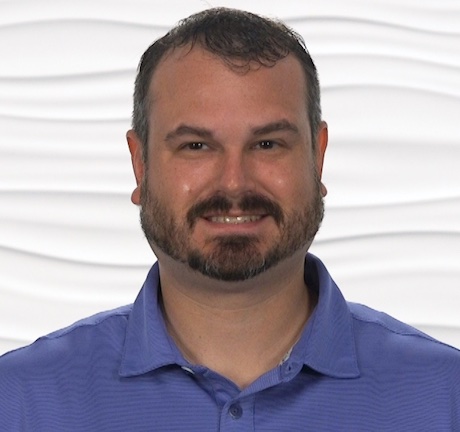
Kyle Matsel
PT, DPT, PhD, SCS, CSCS

Phil Plisky
PT, DSc, ATC, CSCS
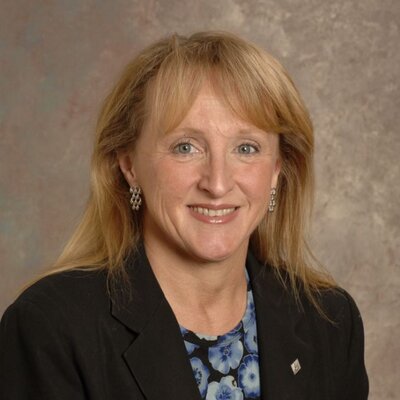
Lynn Snyder-Mackler
ATC, PT, ScD, SCS, FAPTA

Johnny Owens
MPT
CEU approved
11
total hours*
of accredited coursework.
Medbridge accredits each course individually so you can earn CEUs as you progress.
Start “The ACL Reconstruction Comeback: A Live Case Series”
Get this Certificate Program and so much more! All included in the Medbridge subscription.
Browse PlansFrequently asked questions
Everything you need to know about Certificate Programs.
Accreditation Hours
Each course is individually accredited and exact hours will vary by state and discipline. Check each course for specific accreditation for your license.
When do I get my certificate?
You will receive accredited certificates of completion for each course as you complete them. Once you have completed the entire Certificate Program you will receive your certificate for the program.
Do I get CEU credit?
Each course is individually accredited. Please check each course for your state and discipline. You can receive CEU credit after each course is completed.
Do I have to complete the courses in order?
It is not required that you complete the courses in order. Each Certificate Program's content is built to be completed sequentially but it is not forced to be completed this way.
How long do I have access to the Certificate Program?
You will have access to this Certificate Program for as long as you are a subscriber. Your initial subscription will last for one year from the date you purchase.
Take the first step with Medbridge
Browse our plans and pricing, or request a demo and let us help you find the right fit for your organization.
Large Organizations
50+ seats
Book a Demo
Planning to purchase 50 or more licenses for your organization?
Book a demo to speak with our team about solution options,
pricing, and implementation.
Looking for fewer than 50 licenses?
Explore our self-guided demos
.
Thanks for contacting sales!
We'll get back to you soon.