
Cognitive Strategies to Improve Upper Limb Motor Performance
Presented by Christopher Gaskins

Description
In neurorehabilitation, upper limb recovery is influenced not only by motor training but also by how the brain regulates attention, planning, and physiological arousal. This webinar examines the role of executive function, attentional control, and interoceptive awareness—such as breath and autonomic regulation—in supporting upper limb performance following neurological injury.
Participants will explore how cognitive load can be both a barrier and a therapeutic lever. Through intentional modulation of cognitive and attentional demands, therapists can promote motor planning, coordination, and generalization of performance from the clinic to real-world environments. While the foundational neuroscience linking executive function, attention, autonomic regulation, and motor control is well established, the direct clinical application of these systems to upper limb motor performance remains a growing and evolving area of research. This course thoughtfully integrates current evidence with practical strategies to support neuroplasticity and functional carryover.
Designed for occupational and physical therapists working in neurorehabilitation, this session offers a clinically relevant, neuroscience-informed framework that encourages innovation without overreach, equipping clinicians to better support recovery through cognitive and regulatory systems.
Instructor
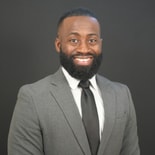
Christopher Gaskins, PhD, OTR/L, CSRS
Dr. Christopher Gaskins has over 13 years of experience working as an occupational therapist (OT). While working at Walter Reed, he developed a deep interest in understanding how the brain processes cognitive- motor demands. In 2017, he enrolled in the Neuroscience and Cognitive Science PhD program at the University of…
Learning Objectives
- Determine at least three ways that executive function, attention, and interoceptive/autonomic processes influence upper limb motor performance in individuals with neurological conditions
- Implement at least two objective measurement tools (e.g., heart rate variability, surface EMG, smartwatch heart rate monitoring) and one subjective assessment (e.g., NASA-TLX) to assess cognitive or attentional workload during motor performance
- Modify therapeutic tasks by grading cognitive and attentional demands to enhance motor planning and performance in upper limb rehabilitation.
- Apply clinical strategies—including attentional cueing, dual-tasking, and breath-focused regulation—to promote generalization of upper limb skills to real-world settings
- Interpret data from cognitive and physiological workload tools to inform clinical decision-making during task progression
- Prepare a treatment plan that incorporates cognitive and interoceptive strategies into an existing upper limb neurorehabilitation protocol to address barriers to carryover in daily activities
Agenda
All times in Eastern Time.
- 6:00pm–6:20pm
- Cognition, Attention, and Regulation: The Brain’s Role in Movement
- 6:20pm–6:40pm
- Grading Cognitive Load and Attentional Demands in Therapy
- 6:40pm–7:00pm
- Measuring and Translating Cognitive Load for Functional Outcomes
- 7:00pm–7:05pm
- Break
- 7:05pm–7:20pm
- Q&A Session
Medbridge is committed to accessibility for all of our subscribers. If you are in need of a disability-related accommodation, please contact [email protected] . We will process requests for reasonable accommodation and will provide reasonable accommodations where appropriate, in a prompt and efficient manner.
Details
- January 14, 2026
- 6:00pm-7:20pm EST
-
- PTs/PTAs, Intermediate
- OTs/OTAs, Intermediate
- Register soon to secure your spot!
Register for Webinar
January 14, 2026
6:00pm-7:20pm EST
Register for Webinar
* Available January 14
Disclaimer
Christopher Gaskins, instructor for this educational event, receives compensation from Medbridge for this course. No one with the ability to control content has relevant relationship(s) to disclose.
Accreditation
Requirements
"Live" CEUs
Even if this webinar is accredited for your discipline and location, it may not count as a
“Live” CEU.
Approved Status applies to “Live” requirement for: AR, DC, FL, IL, IN, KY, NE, NJ, NC, OK, TN, TX, VA DE, FL, KS, NY, TN, AOTA BOC, FL CA, CT, ME, MS, ASHA"Live" CEUs
PT/PTA
OT/OTA
AT
SLP
Check Accreditation
How to Prepare
- Review our tips for a successful webinar experience
- Test your computer