
Advanced Cranial and Upper Cervical Instability Presentation in HSD/EDS
Presented by Patricia Stott
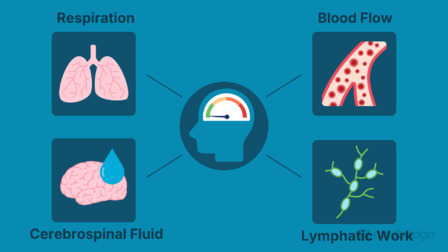
This course explores the advanced clinical presentations of cranial and upper cervical instability (UCI) in individuals with hypermobility spectrum disorders (HSD) and Ehlers-Danlos syndromes (EDS), highlighting their unique anatomical, neurological, and connective tissue–related complexities. Clinicians will learn how abnormal connective tissue integrity in both the central and peripheral nervous systems contributes to a wide range of symptoms and overlapping diagnoses, such as functional seizures, intracranial pressure dysregulation, jaw dysfunction, and tethered cord syndrome. Emphasis is placed on identifying severity levels, evaluating signs and symptoms, and considering the body’s global pressure and neurological systems to guide care. Healthcare providers will gain practical tools for assessing moderate to severe cases and tailoring interventions based on a patient’s individual tolerance, often requiring work away from the cervical spine. This course is designed for physical therapists, athletic trainers, and rehabilitation professionals in outpatient neurological and orthopedic care settings who treat complex hypermobility cases.
Learning Outcomes
- Distinguish common cranial pathologies in the HSD/EDS population.
- Correlate systemic pressure systems and fascial connections with cranial and upper cervical symptoms.
- Determine the severity of upper cervical instability based on symptom provocation and neurological involvement.
- Prioritize distal treatment strategies and autonomic regulation for highly reactive upper cervical instability to improve health management and engagement in rest and sleep for clients with HSD/EDS.
Meet your instructor

Patricia Stott
Patricia Stott treats primarily those with HSD/EDS and those considered highly sensitive patients at her own practice, Elevation Wellness, outside the Denver metro area in Colorado. Also trained in functional and herbal medicine, she works on health and wellness through holistic strategies with these patients, both in person…
Chapters & learning objectives
1. Cranial Presentation in HSD/EDS
This chapter reviews the critical role of connective tissue in cranial and neurological health, examining how structural vulnerabilities in the brain’s extracellular matrix and blood–brain barrier affect neuroinflammation and function, or processing. Clinicians will learn about brain-specific pathologies seen in HSD/EDS populations, including functional seizures, the spiky-leaky theory of CSF regulation, and other additional correlated cranial diagnoses.
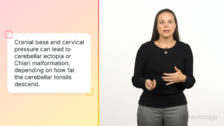
2. Associated Conditions With Cranial and Cervical Pathologies in HSD/EDS
Building on cranial concepts, this chapter explores how systemic pressure systems and fascial connections influence cranial and upper cervical symptoms. Topics include CSF leaks, Chiari malformation, cerebellar ectopia, tethered cord syndrome, and diaphragm dysfunction. Clinicians will develop a framework for recognizing how overlapping conditions compound instability and guide individualized treatment planning.
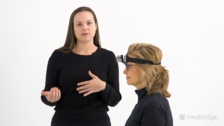
3. Upper Cervical Instability: Moderate and Severe Presentations
This chapter defines the clinical spectrum of moderate to severe upper cervical instability, with a focus on symptom provocation patterns, neurological involvement, and recovery responses. It details observation and movement assessments, including a qualitative look at proprioceptive testing, and provides guidance on classifying severity to shape appropriate treatment entry points and referral needs.
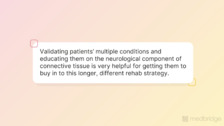
4. General Treatment Strategies for Cranial and Upper Cervical Advanced Presentations
Clinicians will learn to navigate treatment for highly reactive presentations by prioritizing autonomic regulation, core and pelvic stability, and remote interventions. The chapter outlines a tiered care model for addressing systemic contributors such as MCAS, intracranial pressure dysregulation, and jaw or airway involvement, emphasizing malleability, safety, and individualized care strategies.
More courses in this series
Advanced Cranial and Upper Cervical Instability Presentation in HSD/EDS
Patricia Stott
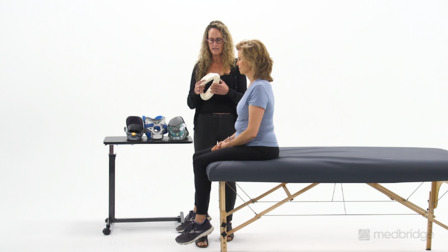
Advanced Upper Cervical Supportive Strategies With HSD/EDS
Susan Chalela and Patricia Stott
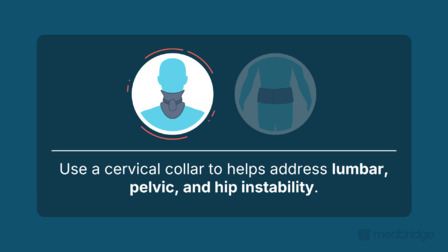
Advanced Upper Cervical Instability Direct Interventions in HSD/EDS
Susan Chalela and Patricia Stott
Frequently asked questions
Everything you need to know about Medbridge courses.
Who creates Medbridge courses?
We work with industry-leaders, top researchers, and consultants to build content roadmaps that are then structured into courses, filmed, and edited by our production team before being launched to our site.
How often does Medbridge release new courses?
New courses are added monthly and are automatically included in your subscription as they launch.
How often does Medbridge update courses?
Medbridge reviews its courses annually for relevance and to assess if content is up to date. Based on these reviews it may be determined that a course is out of date resulting in the course being re-filmed or retired, if the content is no longer needed (e.g. a replacement course already exists, the concepts are no longer best practice, etc.).
How many courses does Medbridge offer?
We have over 3,000 accredited courses and we are continually updating our library with new courses. Check our course library for the most up-to-date count for your discipline.
Are there any additional fees for taking a Medbridge course?
There are no additional fees for taking a Medbridge course, obtaining a course certificate of completion, earning CEUs as a subscriber, or accessing any of the additional tools your subscription may include.
Is there a limit to the number of courses I can take?
There is no limit to the number of courses you can take as a subscriber! As a subscriber to Medbridge, you have unlimited access to over 3,000+ accredited CE courses.
If you are a Premium subscriber, you also have unlimited access to our Patient Engagement Tools such as the Home Exercise Program, Patient Education Library, Orthopedic Exam Tests, and Manual Therapy Techniques. We have over 7,000 exercises and over 650+ videos and handouts of patient education resources with more exercises and patient education added to the library based on subscriber feedback, volume of request and specialities.
What is your refund policy?
You are eligible for a refund provided your request is received within 30 days of your subscription purchase and your account has no activity.