
Advanced Upper Cervical Instability Direct Interventions in HSD/EDS
Presented by Patricia Stott and Susan Chalela
Managing upper cervical instability (UCI) in individuals with hypermobility spectrum disorders (HSD) and Ehlers-Danlos syndrome (EDS) presents unique clinical challenges, particularly when symptoms are moderate to severe. This course outlines direct intervention strategies grounded in neuroplasticity, proprioception, and motor control, specifically tailored to individuals who may not tolerate traditional cervical approaches. Clinicians will learn to implement graded techniques—starting with remote interventions and progressing toward the cervical spine—to promote joint stability, reduce flare-ups, and improve functional outcomes. Interventions include visual and oral-motor strategies, head and neck proprioceptive training, ergonomic bracing, and diaphragmatic engagement. This course is intended for physical therapists, athletic trainers, and rehabilitation specialists working in outpatient, neuro-orthopedic, or hypermobility-focused care settings.
Learning Outcomes
- Analyze adjunct treatment strategies, such as visual and oral-motor techniques, to support the management of cranial and upper cervical instability.
- Coordinate general and specific proprioceptive approaches for severe cases of Upper Cervical Instability (UCI) to ensure patient safety and symptom control during activities of daily living (ADLs).
- Construct a neuroplasticity-based proprioception and motor learning approach using functional foundations for UCI rehabilitation.
- Determine the foundational postural control and motor learning base required before initiating neck strengthening in patients with instability.
Meet your instructors

Patricia Stott
Patricia Stott treats primarily those with HSD/EDS and those considered highly sensitive patients at her own practice, Elevation Wellness, outside the Denver metro area in Colorado. Also trained in functional and herbal medicine, she works on health and wellness through holistic strategies with these patients, both in person…

Susan Chalela
Susan Chalela founded the Chalela Physical Therapy Institute for EDS and Cervical Instabilities. With more than 25 years of clinical experience and a master of physical therapy degree from the Institute of Physical Therapy in St. Augustine, Florida, Susan has built a career spanning various specialties, including neurological…
Chapters & learning objectives
1. Visual, Oculomotor, and Oral Myofunctional Ideas as Upper Cervical Interventions
This chapter introduces indirect yet powerful methods of more directly influencing upper cervical alignment using visual, hyoid, and tongue-based strategies. By targeting fascial and neurological connections, clinicians can safely engage the cervical region in individuals who are too reactive for traditional interventions. These techniques are gentle and patient-driven and often serve as effective home exercises.

2. Proprioceptive Training
Proprioceptive control is key in managing UCI, especially when starting from a highly irritable state. This chapter presents a graded approach to proprioceptive exercises—starting with maintaining head neutrality and progressing to dynamic limb movements before considering often-provoking head movement activities—along with alternatives like nose-drawing when a head laser is unavailable. Emphasis is placed on tolerance-based progression and monitoring response.

3. Cervical Spine Interventions: Moderate and Severe Cases
This chapter details treatment considerations for individuals with moderate to severe UCI, highlighting red flags, flare precautions, and ergonomic strategies. Clinicians will learn how to incorporate motor control, pain science, diaphragmatic breathing, and appropriate manual therapy techniques to provide safe and effective care, avoiding provocative cervical interventions while building a foundation for future progress.

4. Working Into Strengthening the Neck (A Neuroplasticity-Based Approach)
As patients demonstrate improved tolerance, this chapter introduces evidence-informed strategies to begin cervical strengthening in a safe and graded manner. Drawing from current research in motor control and neuroplasticity, clinicians will learn how to support postural retraining, proprioceptive awareness, and functional engagement without provoking symptoms. These foundational techniques provide a framework for restoring neck strength while respecting the sensitivity often present in individuals with HSD/EDS.
More courses in this series
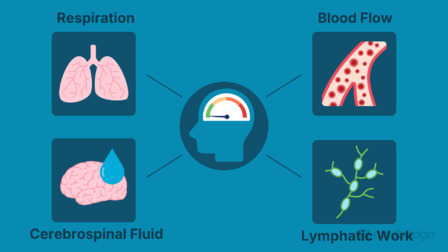
Advanced Cranial and Upper Cervical Instability Presentation in HSD/EDS
Patricia Stott
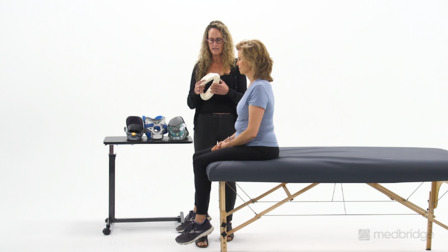
Advanced Upper Cervical Supportive Strategies With HSD/EDS
Susan Chalela and Patricia Stott
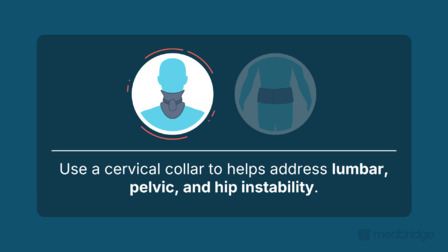
Advanced Upper Cervical Instability Direct Interventions in HSD/EDS
Susan Chalela and Patricia Stott
Frequently asked questions
Everything you need to know about Medbridge courses.
Who creates Medbridge courses?
We work with industry-leaders, top researchers, and consultants to build content roadmaps that are then structured into courses, filmed, and edited by our production team before being launched to our site.
How often does Medbridge release new courses?
New courses are added monthly and are automatically included in your subscription as they launch.
How often does Medbridge update courses?
Medbridge reviews its courses annually for relevance and to assess if content is up to date. Based on these reviews it may be determined that a course is out of date resulting in the course being re-filmed or retired, if the content is no longer needed (e.g. a replacement course already exists, the concepts are no longer best practice, etc.).
How many courses does Medbridge offer?
We have over 3,000 accredited courses and we are continually updating our library with new courses. Check our course library for the most up-to-date count for your discipline.
Are there any additional fees for taking a Medbridge course?
There are no additional fees for taking a Medbridge course, obtaining a course certificate of completion, earning CEUs as a subscriber, or accessing any of the additional tools your subscription may include.
Is there a limit to the number of courses I can take?
There is no limit to the number of courses you can take as a subscriber! As a subscriber to Medbridge, you have unlimited access to over 3,000+ accredited CE courses.
If you are a Premium subscriber, you also have unlimited access to our Patient Engagement Tools such as the Home Exercise Program, Patient Education Library, Orthopedic Exam Tests, and Manual Therapy Techniques. We have over 7,000 exercises and over 650+ videos and handouts of patient education resources with more exercises and patient education added to the library based on subscriber feedback, volume of request and specialities.
What is your refund policy?
You are eligible for a refund provided your request is received within 30 days of your subscription purchase and your account has no activity.