
Certificate Program
Comprehensive Concussion Rehab Toolkit: Clinical Applications
Master evidence-based concussion management across all key symptom domains with expert-led, case-based training.
Browse PlansAlready a subscriber? Sign in to start
About this Certificate Program
This comprehensive certificate equips clinicians to assess and treat concussion across seven in-depth modules, each focusing on a critical symptom domain or treatment concept. These modules cover treatment of symptoms such as migraine, anxiety, cognitive/fatigue, sleep, vestibular, and ocular issues. Each module blends real-world case studies with clinical reasoning, interdisciplinary strategies, and functional outcome goals. You'll learn to identify symptom clusters, select targeted assessments, apply evidence-based interventions, and develop return-to-learn, return-to-work, and return-to-activity plans. Ideal for therapists managing complex concussion cases, this program builds confidence in delivering holistic, patient-centered care that addresses physical, cognitive, emotional, and lifestyle factors driving recovery.
Target audience
This series is ideal for: Occupational Therapists, Physical Therapists, Speech-Language Pathologists, Strength and Conditioning Coaches, Sports Medicine Physicians/Physician Assistants/Physiotherapists, and Athletic Trainers
Goals & objectives
-
Implement current evidence, multidisciplinary frameworks, and symptom-profile screening tools to evaluate people with a history of concussion(s)
-
Implement targeted, evidence-based evaluations and interventions for symptom profiles and modifiers, including migraine, anxiety, cognitive/fatigue, ocular, vestibular, and cervical/sleep
-
Structure a therapy plan that integrates a structured framework, pacing, graded activity, pain/symptom management, and cross-discipline and task-specific training
-
Facilitate impairment-based training using case-based approaches, validated tools, and interdisciplinary support
What’s included in the Certificate Program

Accredited Online Courses*
8 hours of online video lectures and patient demonstrations.

Interactive Learning Assessments
Case-based quizzes to evaluate and improve clinical reasoning.

Case Study Interviews
Recorded Q&A sessions between instructors and practice managers.
Certificate Program overview
Section 1
Foundational Knowledge and Framework 2 ItemsConcussion Clinical Application: Current Concepts Course
Chapter 1: Brief Literature Review
This chapter covers the latest diagnostic criteria for concussion, including mechanisms of injury, symptom clusters, and key assessment tools. Providers will learn to differentiate concussion from other conditions and address contributing factors like mental health and sleep.
Chapter 2: Patient Education and Return-to-Activity Recommendations
Early education improves outcomes. This chapter reviews strategies for guiding patients through symptom management, activity progression, and lifestyle adjustments. It also covers return-to-sport, return-to-duty, and return-to-life recommendations.
Chapter 3: Full Recovery and Potential Adjustments
Full recovery means returning to daily life without accommodations. This chapter explores return-to-work and return-to-school strategies, helping therapists collaborate with physicians and educators to ensure long-term success.
Concussion Clinical Application: Therapy Framework Course
Chapter 1: Therapy Scope and Concussion Rehabilitation
This chapter examines therapy scopes of practice, legal considerations, and the roles of different disciplines in concussion care. Participants will gain clarity on referral processes, medical clearance laws, and how occupational and physical therapists contribute to recovery.
Chapter 2: Brief Literature Review and Evaluation
A structured approach to evaluation is key to effective treatment. This chapter introduces standardized assessment tools, symptom monitoring scales, and functional impact measures. It also covers when to refer for additional medical management.
Chapter 3: Interventions
This chapter explores evidence-based interventions, including symptom management, graded return to activity, and impairment-based training. Participants will learn how to guide patients through activity pacing, lifestyle adjustments, and recovery strategies tailored to their goals.
Chapter 4: Building Community Connections
Effective concussion care extends beyond the clinic. This chapter provides strategies for increasing referrals, collaborating with physicians, and strengthening relationships with sports programs and brain injury associations to enhance patient access to therapy.
Section 2
Cognitive and Emotional Symptom Management 3 ItemsConcussion Clinical Application: Anxiety and Mood Course
Chapter 1: Concept Review and Evaluation
This chapter reviews key concussion concepts, symptom profiles, and assessment strategies. Participants will explore the Concussion Clinical Profiles Screening (CP Screen) Tool, Canadian Occupational Performance Measure (COPM), and other tools to identify and prioritize patient needs.
Chapter 2: Intervention
This chapter introduces evidence-based intervention approaches, including education, activity pacing, subsymptom threshold training, and anxiety management techniques. Participants will learn how to integrate goal-directed therapy, cognitive behavioral strategies, and graded activity progression to improve patient outcomes.
Chapter 3: Outcomes and Summary
Through a case study, this chapter demonstrates how structured evaluation and treatment can improve symptom management, emotional well-being, and return to daily activities. It also highlights clinical decision-making, documentation, and long-term rehabilitation planning.
Concussion Clinical Application: Cognitive and Fatigue Course
Chapter 1: Concept Review and Evaluation
This chapter reviews concussion-related cognitive fatigue, assessment tools like the CP Screen and COPM, and the functional impact on daily life. Participants will learn to prioritize patient goals and identify areas for intervention.
Chapter 2: Intervention Strategies
This chapter introduces evidence-based strategies for managing cognitive fatigue, including pacing techniques, symptom education, task-specific training, and graded return to activity. It also covers interdisciplinary collaboration with speech and physical therapy.
Chapter 3: Outcomes and Case Study Review
Through a case study, this chapter demonstrates clinical decision-making, intervention effectiveness, and treatment progression. Participants will review patient outcomes, documentation strategies, and best practices for rehabilitation planning.
Concussion Clinical Application: Sleep Course
Chapter 1: Cognitive Behavioral Therapy for Insomnia (CBT-I) Overview
This chapter reviews the impact of sleep disturbances after concussion and introduces the principles of CBT-I. Participants will learn evidence-based sleep strategies, including sleep restriction, sleep efficiency training, and environmental modifications.
Chapter 2: Evaluation
This chapter covers assessment tools for sleep issues, including the CP Screen, Insomnia Severity Index (ISI), and Epworth Sleepiness Scale. Participants will learn to identify red flags and determine when to refer to specialists.
Chapter 3: Intervention: Case Study
Through a case study, this chapter demonstrates how to apply CBT-I techniques, track progress with sleep logs, and adjust interventions. It highlights clinical decision-making, patient education, and long-term sleep management strategies.
Chapter 4: Summary
This chapter summarizes overarching ideas implemented during case study evaluations and interventions. Activity analysis and the CO-OP approach of “goal, plan, do, check” is used to help move a person toward sleep restoration and a return of their life roles and identity.
Section 3
Physical Symptom Domains 2 ItemsConcussion Clinical Application: Migraine, Vestibular, and Cervical Course
Chapter 1: Posttraumatic Migraine
Migraine headache after concussion can be similar to migraine or tension-type headache. However, patient reports and neuroimaging demonstrate that they are different. This chapter will review evaluation and intervention strategies for someone experiencing migraines after concussion.
Chapter 2: Vestibular
This chapter will review screening questions, evaluation, and intervention strategies for someone experiencing vestibular difficulty after concussion.
Chapter 3: Cervical
After concussion, patients may experience neck pain and/or cervicogenic dizziness. This chapter will review recommendations from the Sport Concussion Office Assessment Tool 6 (SCOAT6) for occupational therapists less familiar with treating the spine.
Concussion Clinical Application: Ocular Course
Chapter 1: Concept Review and Eye Function
This chapter reviews the visual system, common postconcussion ocular symptoms, and foundational vision assessment frameworks. Participants will learn about key functions such as convergence, divergence, and accommodation and their impact on daily activities.
Chapter 2: Evaluation
This chapter covers assessment tools, including the CP Screen, VOMS, and eye alignment tests, to identify visual impairments. It also discusses when to refer to optometry, ophthalmology, and neuro-ophthalmology for specialized care.
Chapter 3: Discipline-Specific Perspectives on Oculomotor Training
This chapter explores different professional perspectives on vision therapy, oculomotor training, and functional rehabilitation. It provides insight into evidence-based approaches while emphasizing interdisciplinary collaboration.
Chapter 4: Case Study and Intervention
Through a case study, this chapter demonstrates how to apply vision-related interventions, including symptom management, environmental modifications, and functional training. It highlights clinical reasoning for addressing vision impairments within a therapy framework.
Chapter 5: Summary
This chapter summarizes overarching ideas implemented with evaluations and interventions. Activity analysis and the CO-OP approach of “goal, plan, do, check” is used to help move a person toward sleep restoration and a return of their life roles and identity.
Section 4
Supplementary Materials 3 ItemsOptional Skills/Competency Checklist: Text And Links
Concussion Management Decision Tree Text And Links
Supplementary Material Text And Links
Instructors
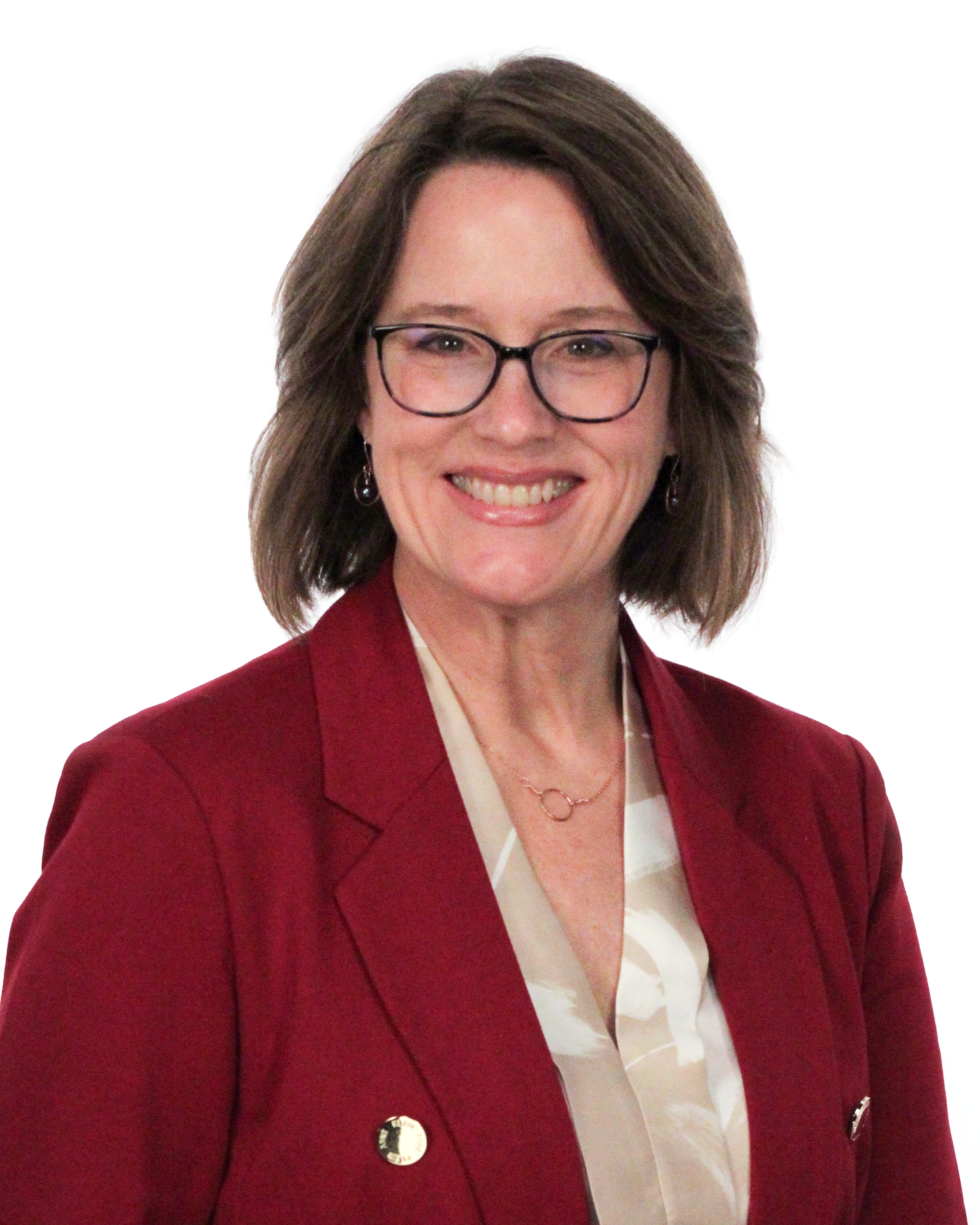
Mary Ann Roelke
OTD, OTR
CEU approved
8
total hours*
of accredited coursework.
Medbridge accredits each course individually so you can earn CEUs as you progress.
Start “Comprehensive Concussion Rehab Toolkit: Clinical Applications”
Get this Certificate Program and so much more! All included in the Medbridge subscription.
Browse PlansFrequently asked questions
Everything you need to know about Certificate Programs.
Accreditation Hours
Each course is individually accredited and exact hours will vary by state and discipline. Check each course for specific accreditation for your license.
When do I get my certificate?
You will receive accredited certificates of completion for each course as you complete them. Once you have completed the entire Certificate Program you will receive your certificate for the program.
Do I get CEU credit?
Each course is individually accredited. Please check each course for your state and discipline. You can receive CEU credit after each course is completed.
Do I have to complete the courses in order?
It is not required that you complete the courses in order. Each Certificate Program's content is built to be completed sequentially but it is not forced to be completed this way.
How long do I have access to the Certificate Program?
You will have access to this Certificate Program for as long as you are a subscriber. Your initial subscription will last for one year from the date you purchase.
Take the first step with Medbridge
Browse our plans and pricing, or request a demo and let us help you find the right fit for your organization.
Large Organizations
50+ seats
Book a Demo
Planning to purchase 50 or more licenses for your organization?
Book a demo to speak with our team about solution options,
pricing, and implementation.
Looking for fewer than 50 licenses?
Explore our self-guided demos
.
Thanks for contacting sales!
We'll get back to you soon.