
Cardiovascular Disease Essentials in Acute Care: A Public Health Crisis
Presented by Kristen Keech and Jessica Asiello
Cardiovascular disease (CVD) remains the leading cause of death and disability in the United States, posing a significant public health crisis that intersects with nearly every area of clinical practice. This course equips acute care providers with essential knowledge of the epidemiological, physiological, and social dimensions of CVD and their impact on patient care. Participants will explore current data on prevalence and hospitalizations, gain insight into both modifiable and nonmodifiable risk factors, and understand how social determinants of health shape cardiovascular outcomes. With a strong emphasis on interprofessional collaboration, prevention strategies, and acute care best practices, the course prepares clinicians to effectively manage CVD in high-acuity settings while promoting long-term wellness and recovery. This content is relevant for providers working in emergency departments, ICUs, telemetry units, inpatient rehabilitation, and other acute or transitional care settings.
Learning Objectives
- List current US data on the incidence, prevalence, and hospitalizations related to cardiovascular disease (CVD) and conclude how these trends impact both individual care and public health strategies
- Identify modifiable and nonmodifiable CVD risk factors and apply them to clinical assessment and intervention
- Recognize how social determinants of health—such as food security, income level, and neighborhood environment—correlate with CVD risk and patient outcomes
- Adapt care plans to integrate both rehabilitation and recovery strategies, as well as wellness- and prevention-focused approaches, when caring for patients with CVD
- Distinguish between levels of care across the cardiac continuum (e.g., ED, ICU, step-down, floor, inpatient rehab, home health, outpatient cardiac rehab)
- Categorize interprofessional team members’ roles to support collaborative cardiac patient management
Meet your instructors

Kristen Keech
Dr. Kristen Keech is an occupational therapist who is passionate about advancing care and advocating for survivors of brain injury. She holds a master of science in occupational therapy from the University of New Hampshire and a doctorate in occupational therapy from the MGH Institute of Health Professions. She is recognized…

Jessica Asiello
Jessica Asiello is an assistant professor in the Department of Occupational Therapy in the School of Health and Rehabilitation Sciences at the MGH Institute of Health Professions in Boston, Massachusetts. She primarily teaches in the online postprofessional OTD program. Her clinical practice is in acute care at Massachusetts…
Chapters & learning objectives
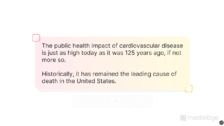
1. The Public Health Crisis of Cardiovascular Disease (CVD)
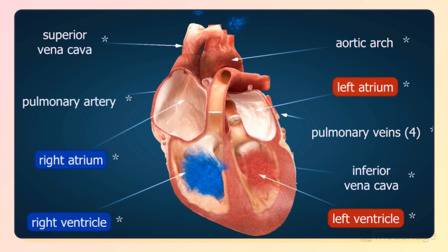
This chapter outlines the alarming scope of cardiovascular disease in the US, emphasizing its impact on both individuals and population health. Participants will review the anatomy of a healthy heart and examine various types of CVD, including structural, electrical, muscular, and pressure-related conditions. The content also highlights how CVD contributes to functional decline, multimorbidity, and rising healthcare costs, reinforcing the urgency of addressing this crisis in acute care environments.

2. Biological and Socioecological Risk Factors for Cardiovascular Disease
This chapter explores the spectrum of risk factors for CVD, from genetics and aging to modifiable behaviors and social determinants of health. Clinicians will learn how to assess and address factors such as stress, inflammation, environmental exposures, and health literacy in the acute care setting. By understanding how these elements interact with lifestyle and access to care, providers can better tailor interventions and advocate for equitable cardiovascular health.
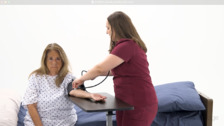
3. Best Practice Implications for the Assessment and Intervention of Acute Care CVD Patients
This chapter focuses on the complexities of managing CVD in acute and critical care settings, emphasizing accurate assessment, interprofessional collaboration, and early discharge planning. Participants will revisit fundamentals such as vital sign monitoring and blood pressure measurement, while also learning strategies to promote self-care, prevent complications, and coordinate postacute services. The chapter reinforces the importance of both restorative and preventive approaches in cardiac care.
More courses in this series
Cardiac Chart Review Part 1: Key Diagnoses and Implications for Care
Jessica Asiello and Kristen Keech
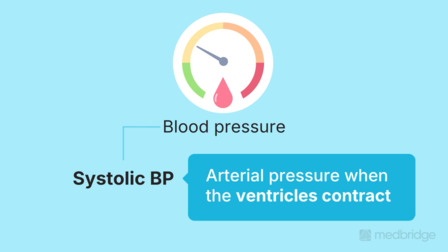
Cardiac Chart Review Part 2: Labs, Imaging, Telemetry, and Medications
Jessica Asiello and Kristen Keech
Cardiac Chart Review Part 3: Surgeries, Lines, Tubes, Airways, and Devices
Jessica Asiello and Kristen Keech
Cardiovascular Disease Essentials in Acute Care: A Public Health Crisis
Jessica Asiello and Kristen Keech
Frequently asked questions
Everything you need to know about Medbridge courses.
Who creates Medbridge courses?
We work with industry-leaders, top researchers, and consultants to build content roadmaps that are then structured into courses, filmed, and edited by our production team before being launched to our site.
How often does Medbridge release new courses?
New courses are added monthly and are automatically included in your subscription as they launch.
How often does Medbridge update courses?
Medbridge reviews its courses annually for relevance and to assess if content is up to date. Based on these reviews it may be determined that a course is out of date resulting in the course being re-filmed or retired, if the content is no longer needed (e.g. a replacement course already exists, the concepts are no longer best practice, etc.).
How many courses does Medbridge offer?
We have over 3,000 accredited courses and we are continually updating our library with new courses. Check our course library for the most up-to-date count for your discipline.
Are there any additional fees for taking a Medbridge course?
There are no additional fees for taking a Medbridge course, obtaining a course certificate of completion, earning CEUs as a subscriber, or accessing any of the additional tools your subscription may include.
Is there a limit to the number of courses I can take?
There is no limit to the number of courses you can take as a subscriber! As a subscriber to Medbridge, you have unlimited access to over 3,000+ accredited CE courses.
If you are a Premium subscriber, you also have unlimited access to our Patient Engagement Tools such as the Home Exercise Program, Patient Education Library, Orthopedic Exam Tests, and Manual Therapy Techniques. We have over 7,000 exercises and over 650+ videos and handouts of patient education resources with more exercises and patient education added to the library based on subscriber feedback, volume of request and specialities.
What is your refund policy?
You are eligible for a refund provided your request is received within 30 days of your subscription purchase and your account has no activity.