
Georgia Ethics and Jurisprudence (2026)
Presented by Ellen R. Strunk
Nonfinancial: Ellen Strunk has no competing nonfinancial interests or relationships with regard to the content presented in this course.
Video Runtime: 214 Minutes; Learning Assessment Runtime: 91 Minutes
Physical therapists and physical therapist assistants have always faced numerous obligations to maintain compliance with federal and commercial healthcare programs. The array of requirements seems burdensome in comparison with other providers. But how well do we know our state’s physical therapy rules? Therapists and therapist assistants who embrace a culture of knowing their practice act and code of ethics can create a culture where problems are prevented and risk is mitigated. This course will address the state of Georgia’s Physical Therapy Practice Act and the rules and provisions that accompany it. The course will also include a discussion of ethics in the workplace.
All participants who complete this course will have their name, completion date, and license number reported to the Physical Therapy Association of Georgia for attendance purposes.
Meet your instructor

Ellen R. Strunk
Ellen R. Strunk has worked in various roles and settings as a clinician, manager/director, and policy expert. Ellen is an expert at helping customers understand the Centers for Medicare & Medicaid Services (CMS) prospective payment systems in the skilled nursing facility and home health settings, as well as outpatient therapy…
Chapters & learning objectives
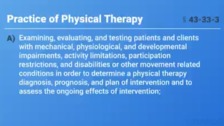
1. The Georgia Physical Therapy Practice Act: Part One
This chapter will review the Georgia Physical Therapy Practice Act. It was enacted for the purpose of safeguarding the public health, safety, and welfare by providing for state administrative control, supervision, and regulation of the practice of physical therapy. Participants will learn how the state ensures the public is protected.

2. The Georgia Physical Therapy Practice Act: Part Two
This chapter will review the Georgia Physical Therapy Practice Act. It was enacted for the purpose of safeguarding the public health, safety, and welfare by providing for state administrative control, supervision, and regulation of the practice of physical therapy. Participants will learn how the state ensures the public is protected.

3. Rules of the Georgia State Board of Physical Therapy: Part One
This chapter will review the first four rules. These rules describe how the board is organized and how persons applying for licensure are accepted. This chapter will also identify important parts of the Georgia General Provisions [O.C.G.A. 43-1-19] to be aware of. Additionally, participants will learn the criteria that must be regularly met to keep a PT/PTA license in the state of Georgia.

4. Rules of the Georgia State Board of Physical Therapy: Part Two
This chapter will review an additional seven rules. These rules describe the role of and the supervision of a physical therapist assistant and a physical therapy aide. Participants will also learn the state’s rules for providing consultation, preventative services, and services in the event of a natural disaster.
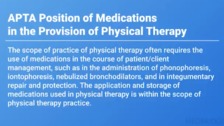
5. Georgia Board of PT Policies
Licensees should be aware of who sits on the Board of Physical Therapy and keep themselves informed of the Board's activities. The Board publishes policies and procedures, as well as Proposed Rules. This chapter will provide attendees with an overview of the Board’s website and how to access information.

6. Ethics in Practice in the State of Georgia
Georgia has its own Code of Ethics written into its rules. It is intended to provide guidelines by which the licensees and others can determine the propriety of conduct. The importance of this section cannot be overstated, since anyone found guilty of violating the standards set forth could suffer significant consequences.

7. Navigating the Georgia Physical Therapy Website
This chapter focuses on going to the Georgia Physical Therapy Website and navigating the site. The instructor explores the website in detail to show viewers the information on the site, including where to access Board Rules, Proposed Rules, and FAQs.

8. The Model for Ethical Decision-Making
Physical Therapists and Physical Therapist Assistants confront ethical decisions every day. While some decisions may come easily, others may involve scenarios where clinicians are struggling between two competing obligations. Utilizing an established sequence of steps to resolve these difficult ethical situations is important. This chapter will review the decision-making framework called Realm-Individual Process-Situation (RIPS) Model of Ethical Decision-Making.

9. Ethics and Professionalism – Case Studies and Interview
This chapter reviews the topics of professional accountability, ethical behavior, and professional boundaries by examining case studies and presenting an interview with a physical therapist.
Frequently asked questions
Everything you need to know about Medbridge courses.
Who creates Medbridge courses?
We work with industry-leaders, top researchers, and consultants to build content roadmaps that are then structured into courses, filmed, and edited by our production team before being launched to our site.
How often does Medbridge release new courses?
New courses are added monthly and are automatically included in your subscription as they launch.
How often does Medbridge update courses?
Medbridge reviews its courses annually for relevance and to assess if content is up to date. Based on these reviews it may be determined that a course is out of date resulting in the course being re-filmed or retired, if the content is no longer needed (e.g. a replacement course already exists, the concepts are no longer best practice, etc.).
How many courses does Medbridge offer?
We have over 3,000 accredited courses and we are continually updating our library with new courses. Check our course library for the most up-to-date count for your discipline.
Are there any additional fees for taking a Medbridge course?
There are no additional fees for taking a Medbridge course, obtaining a course certificate of completion, earning CEUs as a subscriber, or accessing any of the additional tools your subscription may include.
Is there a limit to the number of courses I can take?
There is no limit to the number of courses you can take as a subscriber! As a subscriber to Medbridge, you have unlimited access to over 3,000+ accredited CE courses.
If you are a Premium subscriber, you also have unlimited access to our Patient Engagement Tools such as the Home Exercise Program, Patient Education Library, Orthopedic Exam Tests, and Manual Therapy Techniques. We have over 7,000 exercises and over 650+ videos and handouts of patient education resources with more exercises and patient education added to the library based on subscriber feedback, volume of request and specialities.
What is your refund policy?
You are eligible for a refund provided your request is received within 30 days of your subscription purchase and your account has no activity.