
Rehab to Resilience: Transforming Sports Therapy Outcomes
Presented by Jim Rivard
This course explores the intersection of advanced sports manual therapy techniques, tissue-specific rehabilitation, and athletic performance optimization. This course bridges the gap between pathoanatomical and impairment-based frameworks, providing a comprehensive approach to improving patient outcomes. Participants will learn to assess and treat athletes with diverse presentations, using evidence-based methods to enhance tissue repair, resilience, and movement efficiency. This course is designed for athletic trainers and physical therapists in clinical, outpatient, and sports performance settings who seek to refine their diagnostic skills and interventions, empowering them to foster long-term resilience and optimal athletic performance in their patients.
Learning Objectives
- Analyze sports manual therapy models to bridge pathoanatomical and impairment frameworks for improved patient care delivery
- Determine the impact of rehabilitation strategies on the mechanical properties of tissue repair
- Organize rehabilitation programs by integrating mechanotherapy, joint mobility interventions, and motor control
- Select manual therapy techniques to enhance tissue resilience and athletic performance
- Rehab to Resilience: Transforming Sports Therapy Outcomes
- Tissue Repair Training in Rehabilitation and Athletic Performance
- Seven Core Principles of Sports Manual Therapy
- Precise Loading: Optimizing Dosage for Tissue Repair and Rehabilitative Exercise
- Advanced Tissue Training: Lower Extremity Tendon Pathologies
- Patellar and Hamstring Injury: Optimizing Collagen Tissue Health
- Advanced Tissue Training: Upper Extremity Tendon Pathologies
Meet your instructor

Jim Rivard
Jim Rivard received his bachelor of science in physical therapy from the University of Puget Sound in 1988. He then completed four years of postgraduate residency and fellowship training at the Ola Grimsby Institute (OGI) and a chronic pain management certificate program at McGill University. Jim is the founder of MTI…
Chapters & learning objectives
1. Sports Manual Therapy (SMT) Models of Practice
This chapter introduces the foundational models of sports manual therapy, focusing on pathoanatomical and impairment-based approaches. Participants will explore how these frameworks can be integrated to address biomechanical, neurophysiological, and biochemical factors. Emphasis is placed on the biopsychosocial influences impacting athletes, guiding clinicians in tailoring interventions that address both tissue health and individual patient needs.

2. Mechanotherapy and Movement
In this chapter, participants will delve into mechanotherapy as a tool for tissue repair and stress/strain tolerance enhancement. The content highlights the importance of specificity in rehabilitation, from optimizing exercise dosage to integrating tissue-sparing strategies. Real-world applications are discussed, focusing on the progression of rehabilitation through strength and conditioning to athletic performance.
3. Passive and Active Impacts on Mechanical Properties of Collagen
This chapter focuses on the mechanical properties of collagen and their role in tissue rehabilitation. Participants will analyze the effects of different speeds and forces on collagen health and repair. Strategies to minimize negative impacts of immobilization while maximizing tissue elasticity, plasticity, and resilience are emphasized, equipping clinicians with practical techniques for early and advanced stages of rehabilitation.
4. When Collagen Injuries Stop Talking Back
This chapter examines the interplay of biomechanical and neurological models in addressing movement impairments in athletes. Clinicians will learn how to identify and reverse manual therapy lesions, optimize afferent feedback, and improve motor control. Case examples demonstrate the transition from manual therapy interventions to functional and athletic movement patterns, underscoring the importance of evidence-guided practice in achieving optimal outcomes.
More courses in this series
Rehab to Resilience: Transforming Sports Therapy Outcomes
Jim Rivard
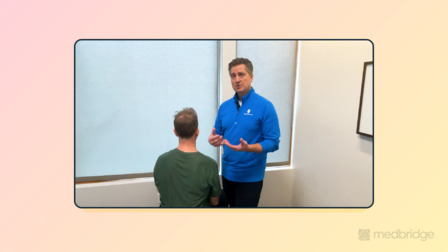
Tissue Repair Training in Rehabilitation and Athletic Performance
Jim Rivard
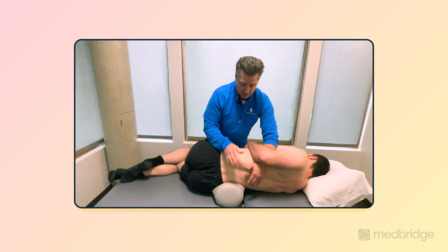
Seven Core Principles of Sports Manual Therapy
Jim Rivard
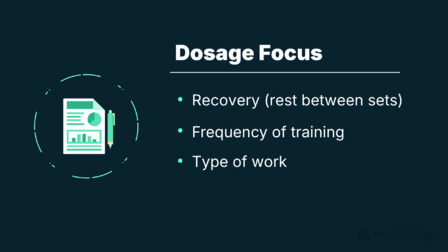
Precise Loading: Optimizing Dosage for Tissue Repair and Rehabilitative Exercise
Jim Rivard
Advanced Tissue Training: Lower Extremity Tendon Pathologies
Jim Rivard
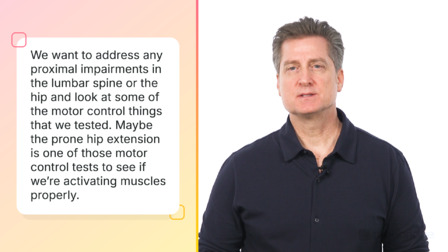
Patellar and Hamstring Injury: Optimizing Collagen Tissue Health
Jim Rivard
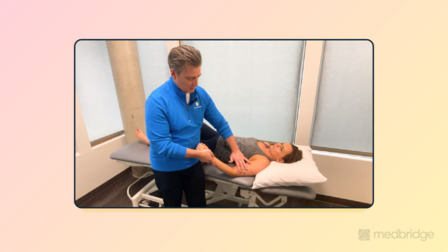
Advanced Tissue Training: Upper Extremity Tendon Pathologies
Jim Rivard
Frequently asked questions
Everything you need to know about Medbridge courses.
Who creates Medbridge courses?
We work with industry-leaders, top researchers, and consultants to build content roadmaps that are then structured into courses, filmed, and edited by our production team before being launched to our site.
How often does Medbridge release new courses?
New courses are added monthly and are automatically included in your subscription as they launch.
How often does Medbridge update courses?
Medbridge reviews its courses annually for relevance and to assess if content is up to date. Based on these reviews it may be determined that a course is out of date resulting in the course being re-filmed or retired, if the content is no longer needed (e.g. a replacement course already exists, the concepts are no longer best practice, etc.).
How many courses does Medbridge offer?
We have over 3,000 accredited courses and we are continually updating our library with new courses. Check our course library for the most up-to-date count for your discipline.
Are there any additional fees for taking a Medbridge course?
There are no additional fees for taking a Medbridge course, obtaining a course certificate of completion, earning CEUs as a subscriber, or accessing any of the additional tools your subscription may include.
Is there a limit to the number of courses I can take?
There is no limit to the number of courses you can take as a subscriber! As a subscriber to Medbridge, you have unlimited access to over 3,000+ accredited CE courses.
If you are a Premium subscriber, you also have unlimited access to our Patient Engagement Tools such as the Home Exercise Program, Patient Education Library, Orthopedic Exam Tests, and Manual Therapy Techniques. We have over 7,000 exercises and over 650+ videos and handouts of patient education resources with more exercises and patient education added to the library based on subscriber feedback, volume of request and specialities.
What is your refund policy?
You are eligible for a refund provided your request is received within 30 days of your subscription purchase and your account has no activity.