
Sustaining Outcomes for Older Adults in Physical Therapy (Recorded Webinar)
Presented by Jennifer Lucas

This course is a recording of a previously hosted live webinar event. Polling and question submission features are not available for this recording. Format and structure may differ from those of standard Medbridge courses.
Despite best efforts, many older adults experience functional decline or regression after discharge from physical therapy. Systemic barriers, such as limited visit approvals, workforce shortages, and gaps in caregiver support, can compromise long-term outcomes. Sustainable care planning is no longer a luxury—it’s a clinical necessity.
This webinar will equip physical therapy professionals with actionable strategies to sustain outcomes for older adults across settings. Learners will explore how to embed discharge planning from the first visit, engage patients using the Geriatrics 5Ms and motivational interviewing, and build personalized, community-connected plans of care. Real case studies will illustrate how alternative delivery models like remote therapeutic monitoring (RTM) and telehealth can be used to extend care beyond the clinic.
This intermediate-level course is ideal for physical therapists and physical therapist assistants working in outpatient, home health, or senior care environments. Join us to reframe your approach to care planning and become a stronger advocate for functional independence, continuity, and the true value of physical therapy.
Learning Objectives
- Analyze systemic barriers affecting sustainable outcomes for older adults (e.g., payer restrictions, staffing shortages, and access limitations)
- Determine how limitations in traditional care models impact long-term patient success post discharge
- Apply patient-centered care planning strategies using the Geriatrics 5Ms and motivational interviewing
- Select appropriate community supports and account for social determinants of health when designing sustainable plans of care
- Implement alternative care delivery methods (e.g., telehealth, RTM) to support sustainable care beyond in-person therapy
- Correlate physical therapy’s role with healthcare system needs to demonstrate PT’s value in addressing access, cost, and outcomes
Meet your instructor
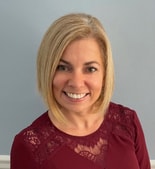
Jennifer Lucas
Jennifer Lucas, PT, DPT is a Board-Certified Clinical Specialist in Geriatric Physical Therapy with over 20 years of experience advancing innovative, sustainable approaches to care for older adults. Her career has focused on enhancing patient outcomes through the integration of technology, evidence-based practices, and…
Chapters & learning objectives

1. Why Sustainable Outcomes Matter: Defining the Problem in Geriatric Care
This chapter introduces the urgency behind sustainable care management by defining the clinical and systemic problems affecting older adult outcomes. Through real-world examples, including Bea’s case study, learners will explore how access limitations, reimbursement challenges, and patient support gaps contribute to unsustained outcomes. This sets the stage for implementing strategic care solutions in later chapters.

2. Planning for Sustainability From Day One
Sustainable care begins at the evaluation. This chapter explores how physical therapists can integrate discharge planning into the plan of care from day one by identifying what matters most to older adults. Using Ms. M’s story, learners will examine strategies for engaging patients in their own health management through motivational interviewing, community resource mapping, and early caregiver inclusion.

3. Executing Sustainable Plans: Transitions, Technology, and Teamwork
In this final chapter, learners will examine how to maintain continuity and support sustainable outcomes through care transitions, caregiver involvement, and alternative models of care delivery such as telehealth and remote therapeutic monitoring (RTM). Mr. P’s case highlights the importance of coordinated care and technology in reducing falls, enhancing independence, and extending the reach of physical therapy. The course concludes by revisiting the system-level challenges introduced in Chapter 1 and demonstrating how physical therapists can be at the forefront of solving them.

4. Question and Answer Session
This chapter is a viewer-submitted question and answer session facilitated by Jennifer Lucas.
Frequently asked questions
Everything you need to know about Medbridge courses.
Who creates Medbridge courses?
We work with industry-leaders, top researchers, and consultants to build content roadmaps that are then structured into courses, filmed, and edited by our production team before being launched to our site.
How often does Medbridge release new courses?
New courses are added monthly and are automatically included in your subscription as they launch.
How often does Medbridge update courses?
Medbridge reviews its courses annually for relevance and to assess if content is up to date. Based on these reviews it may be determined that a course is out of date resulting in the course being re-filmed or retired, if the content is no longer needed (e.g. a replacement course already exists, the concepts are no longer best practice, etc.).
How many courses does Medbridge offer?
We have over 3,000 accredited courses and we are continually updating our library with new courses. Check our course library for the most up-to-date count for your discipline.
Are there any additional fees for taking a Medbridge course?
There are no additional fees for taking a Medbridge course, obtaining a course certificate of completion, earning CEUs as a subscriber, or accessing any of the additional tools your subscription may include.
Is there a limit to the number of courses I can take?
There is no limit to the number of courses you can take as a subscriber! As a subscriber to Medbridge, you have unlimited access to over 3,000+ accredited CE courses.
If you are a Premium subscriber, you also have unlimited access to our Patient Engagement Tools such as the Home Exercise Program, Patient Education Library, Orthopedic Exam Tests, and Manual Therapy Techniques. We have over 7,000 exercises and over 650+ videos and handouts of patient education resources with more exercises and patient education added to the library based on subscriber feedback, volume of request and specialities.
What is your refund policy?
You are eligible for a refund provided your request is received within 30 days of your subscription purchase and your account has no activity.