
The Pillars of Anti-oppressive Practice Part 2: Intercultural Effectiveness
Presented by Ellen Fink-Samnick
Healthcare teams are increasingly diverse, making it essential for professionals to cultivate intercultural effectiveness to ensure equitable, respectful, and patient-centered care. This course examines how intersecting identities—such as race, gender, ability, socioeconomic status, and more—affect health outcomes, team dynamics, and care delivery. Through the lens of anti-oppressive practice, learners will explore the foundations of intersectionality, inclusive language, and the 7 Pillars of Inclusion as strategies to foster collaboration, reduce disparities, and promote professional accountability. Designed for healthcare providers in athletic training, case management, nursing, occupational therapy, physical therapy, social work, and speech-language pathology, this course supports clinical, operational, and ethical excellence in a wide range of care settings. By integrating practical models, real-world case examples, and actionable tools, participants will develop skills to enhance team engagement, communication, and equity in care delivery.
Learning Objectives
- Analyze the impact of intersectionality and the Wheel of Privilege and Power on workforce dynamics
- Evaluate how inclusive practices, including the 7 Pillars of Inclusion, enhance workforce performance
- Integrate professional resources and strategies to support intercultural effectiveness in team settings
- Develop action plans to implement intersectional and intercultural effectiveness across diverse teams
Meet your instructor

Ellen Fink-Samnick
Dr. Ellen Fink-Samnick is an award-winning industry entrepreneur who empowers healthcare’s interprofessional workforce. She is known as Professional Case Management’s Ethical Compass and for her work in health equity, integrated care, interprofessional teams, professional case management, quality, and trauma-informed…
Chapters & learning objectives
1. Informing Intersectionality
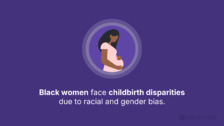
This chapter introduces intersectionality as a core principle of anti-oppressive practice and examines how overlapping identities influence power, privilege, and bias in healthcare. Learners will explore real-life case scenarios and examine the relevance of professional codes of ethics in addressing disparities. The content provides foundational insights into how intersectionality shapes patient engagement, treatment planning, and workforce dynamics.

2. The Terminology Trail
This chapter unpacks evolving terminology related to inclusion, equity, and cultural competence. It provides guidance on the use of gender-neutral language and inclusive communication, referencing key standards like the APA’s Inclusive Language Guidelines. Participants will also learn the 7 Pillars of Inclusion framework as a practical model for fostering respectful and effective clinical environments.

3. Advancing Intercultural Effectiveness Across Teams
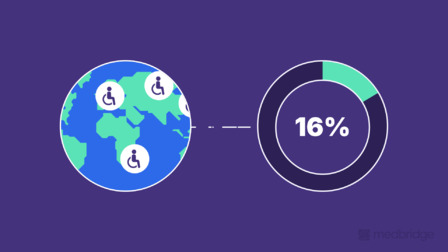
This chapter focuses on team-based care and outlines strategies for building intercultural effectiveness within diverse interdisciplinary teams. Learners will explore intercultural communication competence, key behavioral elements, and evidence-based tools such as the Intercultural Effectiveness Scale. Emphasis is placed on building mutual respect, enhancing collaboration, and improving outcomes through culturally informed practice and leadership.


Frequently asked questions
Everything you need to know about Medbridge courses.
Who creates Medbridge courses?
We work with industry-leaders, top researchers, and consultants to build content roadmaps that are then structured into courses, filmed, and edited by our production team before being launched to our site.
How often does Medbridge release new courses?
New courses are added monthly and are automatically included in your subscription as they launch.
How often does Medbridge update courses?
Medbridge reviews its courses annually for relevance and to assess if content is up to date. Based on these reviews it may be determined that a course is out of date resulting in the course being re-filmed or retired, if the content is no longer needed (e.g. a replacement course already exists, the concepts are no longer best practice, etc.).
How many courses does Medbridge offer?
We have over 3,000 accredited courses and we are continually updating our library with new courses. Check our course library for the most up-to-date count for your discipline.
Are there any additional fees for taking a Medbridge course?
There are no additional fees for taking a Medbridge course, obtaining a course certificate of completion, earning CEUs as a subscriber, or accessing any of the additional tools your subscription may include.
Is there a limit to the number of courses I can take?
There is no limit to the number of courses you can take as a subscriber! As a subscriber to Medbridge, you have unlimited access to over 3,000+ accredited CE courses.
If you are a Premium subscriber, you also have unlimited access to our Patient Engagement Tools such as the Home Exercise Program, Patient Education Library, Orthopedic Exam Tests, and Manual Therapy Techniques. We have over 7,000 exercises and over 650+ videos and handouts of patient education resources with more exercises and patient education added to the library based on subscriber feedback, volume of request and specialities.
What is your refund policy?
You are eligible for a refund provided your request is received within 30 days of your subscription purchase and your account has no activity.