
(Daytime Session) Skin in the Game: Dermatological
Lesions and Return to Play Decisions
Presented by Kyle Matsel

Description
*This webinar is scheduled for 1:00 PM EDT / 10:00 AM PDT
This webinar provides relevant content for a broad range of disciplines, specifically Physical Therapy, Occupational Therapy, Athletic Training, and Strength and Conditioning.
You asked, we listened! We’re excited to offer a daytime webinar session to support different schedules. This webinar is offered twice (evening and daytime); please register for only one that fits your schedule. You will only receive CE for one.
Dermatologic conditions are common in athletic populations, particularly in contact sports and environments where athletes share equipment and facilities. Bacterial, viral, and fungal skin infections can spread rapidly, making early identification and proper return-to-play decisions critical for protecting both individual athletes and teams. However, many sports rehabilitation professionals receive limited training in recognizing infectious skin lesions and are unfamiliar with appropriate return-to-play timelines.
This course is designed to enhance the sports rehabilitation professional’s ability to identify common dermatologic conditions encountered in athletes and to make informed return-to-play decisions. Participants will review key clinical features of common bacterial, viral, and fungal skin infections, including impetigo, herpes simplex infections, and tinea infections. Evidence-based management strategies and timelines for safe return to training and competition will be emphasized. Dr. Kyle Matsel will guide learners on how to develop the skills to differentiate lesions, implement appropriate management strategies, and determine when athletes can safely return to participation while minimizing the risk of transmission.
Instructor
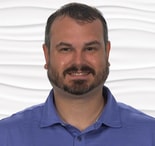
Kyle Matsel, PT, DPT, PhD, SCS, CSCS
Dr. Matsel is a tenured associate professor at the University of Evansville, where he teaches in the musculoskeletal content areas of the Doctor of Physical Therapy curriculum. He received his doctor of physical therapy degree from the University of Evansville in 2011 and his PhD in rehabilitation sciences from the University…
Learning Objectives
- Assess bacterial, viral, and fungal dermatologic lesions commonly observed in athletic populations using key clinical characteristics
- Evaluate evidence-based clinical guidelines to determine appropriate management strategies for bacterial, viral, and fungal skin infections in athletes
- Evaluate dermatologic lesions for signs of contagion and risk of transmission within athletic environments such as locker rooms, mats, and shared equipment
- Interpret timelines for treatment response and infection resolution to determine safe progression toward return to training and competition
- Evaluate an athlete’s readiness for participation using established return-to-play criteria for common infectious dermatologic conditions
- Develop clinical decision-making strategies that balance athlete safety, infection control, and timely return to sport
Agenda
All times in Eastern Time.
- 1:00pm–1:15pm
- Introduction and Recommendations for Prevention
- 1:15pm–1:30pm
- Identification and Management of Fungal Infections
- 1:30pm–1:45pm
- Identification and Management of Viral Infections
- 1:45pm–2:00pm
- Identification and Management of Bacterial Infections
- 2:00pm–2:05pm
- Break
- 2:05pm–2:25pm
- Live Q&A Session
Medbridge is committed to accessibility for all of our subscribers. If you are in need of a disability-related accommodation, please contact [email protected] . We will process requests for reasonable accommodation and will provide reasonable accommodations where appropriate, in a prompt and efficient manner.
Details
- August 13, 2026
- 1:00pm-2:25pm EDT
-
- PTs/PTAs, Advanced
- OTs/OTAs, Advanced
- ATs, Mastery
- Register soon to secure your spot!
Register for Webinar
August 13, 2026
1:00pm-2:25pm EDT
Register for Webinar
* Available August 13
Disclaimer
Kyle Matsel, instructor for this educational event, receives compensation from Medbridge for this course. No one with the ability to control content has relevant relationship(s) to disclose, with the exception of Kyle Matsel, who has a relationship with Functional Movement Systems, which was mitigated.
Accreditation
Requirements
"Live" CEUs
Even if this webinar is accredited for your discipline and location, it may not count as a
“Live” CEU.
Approved Status applies to “Live” requirement for: AR, DC, FL, IL, IN, KY, NE, NJ, NC, OK, TN, TX, VA DE, FL, KS, NY, TN, AOTA BOC, FL CA, CT, ME, MS, ASHA"Live" CEUs
PT/PTA
OT/OTA
AT
SLP
Check Accreditation
How to Prepare
- Review our tips for a successful webinar experience
- Test your computer