
Accepting the Challenge: Defining Dementia and Brain Change
Presented by Teepa Snow and Melanie Bunn
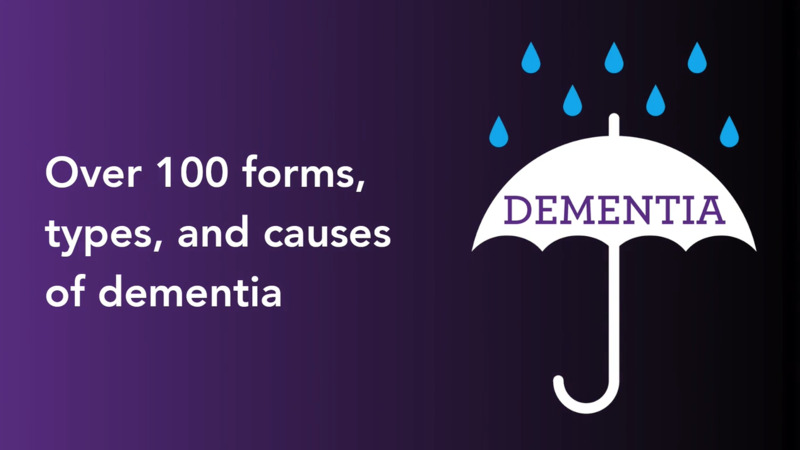
This is part one of a four-part series, Accepting the Challenge, on caring for people with dementia. Part 1 is an introduction for professionals and caregivers. It begins by discussing how dementia is not typical aging, but a neurodegenerative disease process. It breaks down the key categories of dementia (Alzheimer's, Lewy Body, FTD, Vascular) and explains the profound and predictable impact of brain change on critical cognitive domains: memory (loss of recent memories and confabulation), language (loss of formal speech while preserving automatic skills), and impulse control (loss of emotional regulation leading to behavioral changes). The goal of the course is to help caregivers develop awareness, knowledge, and skills to become effective care partners who can offer compassionate and helpful support that respects the person living with brain change.
Learning Objectives
- Identify the fundamental changes in brain structure and function that typically occur during the process of dementia
- List the major forms of dementia and their hallmark symptoms
- Recognize common cognitive and emotional symptoms experienced by people living with dementia
- Outline the value of obtaining a specific dementia diagnosis and how it influences care approaches
- Identify typical changes in communication abilities across the dementia spectrum
- Select basic strategies to improve communication and manage distress in dementia care interactions
Meet your instructors

Teepa Snow
Teepa Snow is an advocate for those living with dementia. She has made it her personal mission to help families and professionals better understand how it feels to be living with such challenges and seeks to change and improve life for everyone involved. Her practice has included everything from neuro intensive care units in…

Melanie Bunn
Melanie Bunn, a Speaker and Mentor with Teepa’s Snow’s Positive Approach to Care®, received her undergraduate degree in nursing from the University of North Carolina-Chapel Hill, her master’s degree in Family Health Nursing from Clemson University and a Post-Master’s Gerontological Nurse Practitioner Certificate from Duke…
Chapters & learning objectives
1. What is Dementia
Chapter 1 introduces dementia not as a normal part of aging but as a disease process involving neurodegeneration (brain cell deterioration and death), which damages the ability to process information, think, and act, ultimately making independent living impossible.
2. Common Dementias
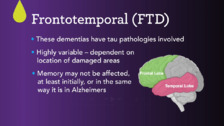
Chapter 2 covers the four most frequent categories of dementia: Alzheimer's Disease, Lewy Body Dementia, Frontotemporal Dementia (FTD), and Vascular Dementia.
3. Brain Change: Memory
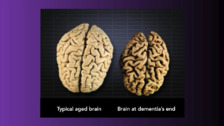
This chapter explains how dementia causes the brain to physically shrink (atrophy), primarily impacting the memory centers. This results in a predictable pattern of progressive memory loss, where immediate recall is lost first, followed by the most recent memories, which can lead the person to "time travel" to earlier life periods and confabulate memories.

4. Brain Change: Language
Chapter 4 focuses on how dementia progressively destroys language abilities, which are primarily stored in the left hemisphere of the brain. This loss typically begins with word-finding problems and progresses to vague language and eventual limited or altered speech.

5. Brain Change: Impulse Control
The final chapter of this course explains how dementia severely damages the Executive Control Center. This part of the brain is responsible for impulse control, reasoning, self-assessment, and making value-consistent choices.
More courses in this series
Accepting the Challenge: Defining Dementia and Brain Change
Teepa Snow and Melanie Bunn

Accepting the Challenge: Positive Physical Approach™ for Dementia
Melanie Bunn and Teepa Snow

Accepting the Challenge: The GEMS® Dementia States
Melanie Bunn and Teepa Snow
Accepting the Challenge: Challenging Situations in Dementia Care
Melanie Bunn and Teepa Snow
Frequently asked questions
Everything you need to know about Medbridge courses.
Who creates Medbridge courses?
We work with industry-leaders, top researchers, and consultants to build content roadmaps that are then structured into courses, filmed, and edited by our production team before being launched to our site.
How often does Medbridge release new courses?
New courses are added monthly and are automatically included in your subscription as they launch.
How often does Medbridge update courses?
Medbridge reviews its courses annually for relevance and to assess if content is up to date. Based on these reviews it may be determined that a course is out of date resulting in the course being re-filmed or retired, if the content is no longer needed (e.g. a replacement course already exists, the concepts are no longer best practice, etc.).
How many courses does Medbridge offer?
We have over 3,000 accredited courses and we are continually updating our library with new courses. Check our course library for the most up-to-date count for your discipline.
Are there any additional fees for taking a Medbridge course?
There are no additional fees for taking a Medbridge course, obtaining a course certificate of completion, earning CEUs as a subscriber, or accessing any of the additional tools your subscription may include.
Is there a limit to the number of courses I can take?
There is no limit to the number of courses you can take as a subscriber! As a subscriber to Medbridge, you have unlimited access to over 3,000+ accredited CE courses.
If you are a Premium subscriber, you also have unlimited access to our Patient Engagement Tools such as the Home Exercise Program, Patient Education Library, Orthopedic Exam Tests, and Manual Therapy Techniques. We have over 7,000 exercises and over 650+ videos and handouts of patient education resources with more exercises and patient education added to the library based on subscriber feedback, volume of request and specialities.
What is your refund policy?
You are eligible for a refund provided your request is received within 30 days of your subscription purchase and your account has no activity.