
Accepting the Challenge: Positive Physical Approach™ for Dementia
Presented by Teepa Snow and Melanie Bunn
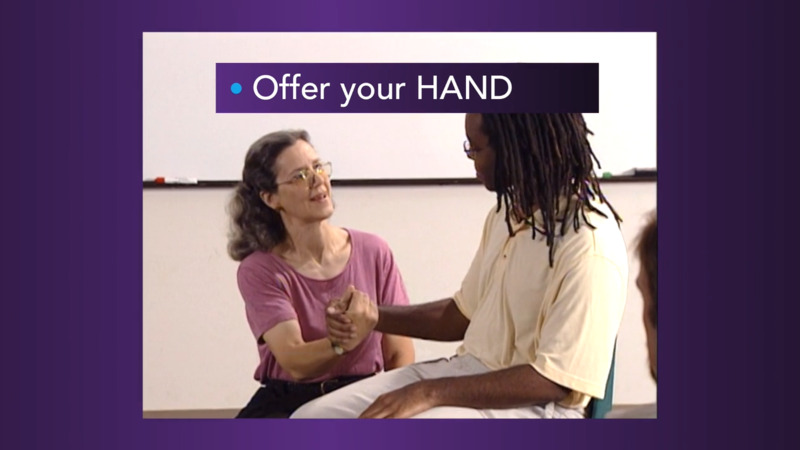
This is part two of a four-part series, Accepting the Challenge, on caring for people with dementia. Part two focuses on practical, person-centered communication skills for individuals living with dementia, emphasizing techniques that bypass damaged brain functions and promote positive engagement. Positive Physical Approach™ is introduced along with specific verbal interaction skills. The course also provides strategies for effectively managing emotional distress by using empathy, validating the person's feelings and unmet needs, and offering alternatives to foster cooperation and reduce caregiver and resident frustration.
Learning Objectives
- Identify the key steps of the Positive Physical Approach™ and their purpose in dementia care
- Recognize the role of visual cues and supportive stance in building trust and cooperation
- List effective verbal communication strategies to guide action and promote comprehension
- Select techniques that use empathy and validation to reduce emotional distress
- Identify how to form connections using props, gestures, and preserved communication abilities
- Outline the value of Hand-under-Hand® support and visual-first cues to maintain participation
Meet your instructors
Teepa Snow
Teepa Snow is an advocate for those living with dementia. She has made it her personal mission to help families and professionals better understand how it feels to be living with such challenges and seeks to change and improve life for everyone involved. Her practice has included everything from neuro intensive care units in…
Melanie Bunn
Melanie Bunn, a Speaker and Mentor with Teepa’s Snow’s Positive Approach to Care®, received her undergraduate degree in nursing from the University of North Carolina-Chapel Hill, her master’s degree in Family Health Nursing from Clemson University and a Post-Master’s Gerontological Nurse Practitioner Certificate from Duke…
Chapters & learning objectives
1. Positive Physical Approach:™ Techniques
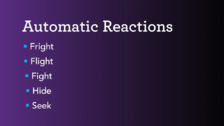
This chapter introduces the key communication and interaction skills needed to successfully approach and engage a person living with dementia by avoiding automatic "fight, flight, or fright" reactions, emphasizing the six steps: approach from the front, go slow, stand to the side, get low, offer your hand, and call them by name.
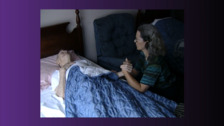
2. Positive Physical Approach:™ in Real Life
Chapter 2 provides practical demonstrations for using the six-step Positive Physical Approach. The module demonstrates how utilizing these skills effectively reduces automatic "fight, flight, or fright" reactions, encourages cooperation and positive engagement, and significantly reduces the time and frustration associated with tasks such as getting a person to stand up, walk, or receive assistance.
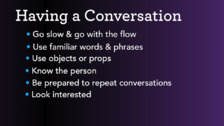
3. Verbal Interaction Skills
Chapter 3 focuses on the "what and how" of verbal communication with individuals living with dementia, emphasizing that the most effective approach is to maintain a friendly tone, low pitch, and slow speed of speech. When attempting to guide action, use the Positive Physical Approach™, followed by short, simple, and concrete information, offering straightforward choices, or asking the person for their assistance.
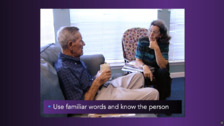
4. Verbal Interaction Skills: In Real Life
This chapter demonstrates the practical application of verbal and physical interaction skills to successfully engage people with dementia in two key areas: encouraging them to perform a task (such as getting up or putting on a sweater) and engaging in conversation (using familiar words, props, and avoiding correction).
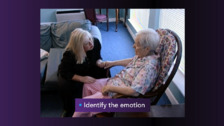
5. Helping with Distress
This chapter addresses the most difficult communication scenario: helping a person living with dementia who is emotionally distressed, upset, or angry. The key is to first use the Positive Physical Approach to make a connection, then use empathy to recognize and acknowledge their emotional state without correcting them.
6. Building Skills
The final chapter of this course provides a final summary that reinforces the key techniques for successful caregiving: the Positive Physical Approach and Positive Verbal Communication.
More courses in this series
Accepting the Challenge: Defining Dementia and Brain Change
Teepa Snow and Melanie Bunn
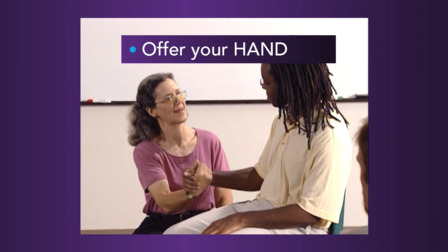
Accepting the Challenge: Positive Physical Approach™ for Dementia
Melanie Bunn and Teepa Snow
Accepting the Challenge: The GEMS® Dementia States
Melanie Bunn and Teepa Snow
Accepting the Challenge: Challenging Situations in Dementia Care
Melanie Bunn and Teepa Snow
Frequently asked questions
Everything you need to know about Medbridge courses.
Who creates Medbridge courses?
We work with industry-leaders, top researchers, and consultants to build content roadmaps that are then structured into courses, filmed, and edited by our production team before being launched to our site.
How often does Medbridge release new courses?
New courses are added monthly and are automatically included in your subscription as they launch.
How often does Medbridge update courses?
Medbridge reviews its courses annually for relevance and to assess if content is up to date. Based on these reviews it may be determined that a course is out of date resulting in the course being re-filmed or retired, if the content is no longer needed (e.g. a replacement course already exists, the concepts are no longer best practice, etc.).
How many courses does Medbridge offer?
We have over 3,000 accredited courses and we are continually updating our library with new courses. Check our course library for the most up-to-date count for your discipline.
Are there any additional fees for taking a Medbridge course?
There are no additional fees for taking a Medbridge course, obtaining a course certificate of completion, earning CEUs as a subscriber, or accessing any of the additional tools your subscription may include.
Is there a limit to the number of courses I can take?
There is no limit to the number of courses you can take as a subscriber! As a subscriber to Medbridge, you have unlimited access to over 3,000+ accredited CE courses.
If you are a Premium subscriber, you also have unlimited access to our Patient Engagement Tools such as the Home Exercise Program, Patient Education Library, Orthopedic Exam Tests, and Manual Therapy Techniques. We have over 7,000 exercises and over 650+ videos and handouts of patient education resources with more exercises and patient education added to the library based on subscriber feedback, volume of request and specialities.
What is your refund policy?
You are eligible for a refund provided your request is received within 30 days of your subscription purchase and your account has no activity.