
ADRD 3-Hour Overview: Managing Dementia in Facility Settings
Presented by Kim Tate
This course provides a comprehensive framework for navigating the complex clinical and ethical challenges of caring for individuals with Alzheimer’s disease and related dementias (ADRD) within professional facility settings. As cognitive decline progresses, healthcare providers must manage shifting behavioral expressions, escalating care needs, and intricate ethical dilemmas while maintaining the resident’s dignity and autonomy. This course addresses these issues by equipping nurses, nursing assistants, and administrators with structured problem-solving models, person-centered de-escalation strategies, and evidence-based engagement techniques. Participants will explore practical applications across various settings, including skilled nursing and assisted living, to ensure safety and quality of life for both residents and staff. By emphasizing collaborative family partnerships and the importance of caregiver well-being, the curriculum provides the essential tools needed to deliver compassionate, high-quality care throughout all stages of the disease.
This 3-hour course is specifically designed and approved to fulfill the Florida ADRD training requirements for Hospice, Nursing Home, Adult Day Care, and Assisted Living.
Learning Outcomes
- Identify common behavioral expressions across the stages of ADRD and recognize how they may differ in various care settings
- Describe person-centered approaches for assisting with activities of daily living (ADLs) that support dignity, comfort, and safety
- Identify meaningful group and individual activities that support identity, emotional well-being, and engagement for persons living with ADRD
- Describe common sources of stress experienced by professional and family caregivers and identify strategies and resources that support caregiver well-being
- Identify key elements of safe, therapeutic environments, including indoor, outdoor, and security considerations—and recognize how routines and caregiver interactions promote safety and reduce distress
- Recognize the ethical principles of autonomy, beneficence, and justice, and identify how case examples illustrate ethical dilemmas in ADRD care
Meet your instructor

Kim Tate
Kim Tate is a registered nurse with more than three decades of healthcare experience. She is a passionate clinical leader who strives to deliver quality care and positive patient outcomes. She has a bachelor of science in nursing, with a proven track record of facilitating and leading the effectiveness of clinical programs,…
Chapters & learning objectives
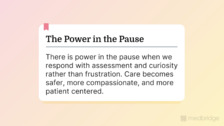
1. Recognizing, Understanding, and Managing Behavioral Expressions
This chapter reframes behavioral expressions as a primary form of communication used when verbal skills decline, teaching caregivers to identify unmet physical or emotional needs. By applying structured frameworks, such as the ABC model, care teams can respond with intention rather than reaction, reducing distress while protecting dignity and safety.

2. Assisting With ADLs With Dignity for Individuals Living With ADRD
This section focuses on person-centered approaches to intimate daily tasks, such as bathing and dressing, which represent vulnerable moments where trust is either strengthened or broken. Mastering a “slow and smooth” pace and honoring lifelong habits is vital for reducing resistance, ensuring caregiver safety, and preserving the individual’s identity during essential care interactions.

3. Creating Meaningful Engagement: Activities That Support Identity and Quality of Life
This chapter explores how to design meaningful activities and sensory engagement tailored to an individual’s cognitive abilities and personal history. These strategies are vital for reducing anxiety and social isolation by engaging the brain through music, nature, and reminiscence, supporting a continued sense of purpose and connection.

4. Caring for the Caregiver: Understanding and Managing Stress
This chapter identifies the physical, emotional, and cognitive stressors unique to professional ADRD care and provides practical tools for recognizing early signs of burnout and compassion fatigue. Supporting caregiver well-being through healthy boundaries and access to resources is essential to sustaining quality care and preventing long-term exhaustion in demanding care roles.
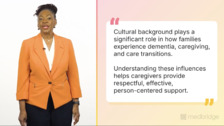
5. Developing Skills for Working With Families and Caregivers
This chapter focuses on techniques for building collaborative partnerships with families by acknowledging their expertise and supporting them through the ongoing process of anticipatory grief. Effective communication and inclusive decision-making are essential for aligning expectations and reducing conflicts, ultimately creating a more unified and supportive care team.

6. Creating Safe and Therapeutic Environments for Persons With ADRD
This chapter examines how the physical environment—including lighting, noise levels, and signage—directly influences the behavior and emotional well-being of individuals living with ADRD. Understanding how to adapt indoor and outdoor spaces to balance security with autonomy is crucial for reducing confusion and fostering a calm, orientation-focused environment.

7. Ethical Issues and Persons With ADRD
This final chapter introduces the core ethical principles of autonomy, beneficence, and justice as they apply to complex dementia care situations and end-of-life decision-making. It is vital for professionals to recognize ethical tensions and use structured documentation and collaboration to ensure care remains aligned with the individual’s lifelong values and expressed wishes.



Frequently asked questions
Everything you need to know about Medbridge courses.
Who creates Medbridge courses?
We work with industry-leaders, top researchers, and consultants to build content roadmaps that are then structured into courses, filmed, and edited by our production team before being launched to our site.
How often does Medbridge release new courses?
New courses are added monthly and are automatically included in your subscription as they launch.
How often does Medbridge update courses?
Medbridge reviews its courses annually for relevance and to assess if content is up to date. Based on these reviews it may be determined that a course is out of date resulting in the course being re-filmed or retired, if the content is no longer needed (e.g. a replacement course already exists, the concepts are no longer best practice, etc.).
How many courses does Medbridge offer?
We have over 3,000 accredited courses and we are continually updating our library with new courses. Check our course library for the most up-to-date count for your discipline.
Are there any additional fees for taking a Medbridge course?
There are no additional fees for taking a Medbridge course, obtaining a course certificate of completion, earning CEUs as a subscriber, or accessing any of the additional tools your subscription may include.
Is there a limit to the number of courses I can take?
There is no limit to the number of courses you can take as a subscriber! As a subscriber to Medbridge, you have unlimited access to over 3,000+ accredited CE courses.
If you are a Premium subscriber, you also have unlimited access to our Patient Engagement Tools such as the Home Exercise Program, Patient Education Library, Orthopedic Exam Tests, and Manual Therapy Techniques. We have over 7,000 exercises and over 650+ videos and handouts of patient education resources with more exercises and patient education added to the library based on subscriber feedback, volume of request and specialities.
What is your refund policy?
You are eligible for a refund provided your request is received within 30 days of your subscription purchase and your account has no activity.