
Bringing the Pro Rehab Experience to Everyday Athletes
Presented by Pam Kikillus and Andrea Webster
This course explores how principles, resources, and services commonly used in professional and elite sports rehabilitation can be adapted to enhance care for everyday athletes in community-based clinical settings. Learners will examine key differences between professional and nonprofessional rehab environments, including team structure, access to technology, communication styles, and available support services. Through real-world examples and expert insights, the course highlights practical strategies for integrating assessment technology, recovery tools, nutrition guidance, and mental performance support within typical time, cost, and scope-of-practice constraints. Designed for rehabilitation professionals, this course emphasizes translation—not replication—of the pro rehab model to deliver more comprehensive, patient-centered care and improve outcomes for active individuals.
Learning Objectives
- Determine components of rehabilitation available to a professional athlete
- Compare and contrast the elite/professional setting to more typical outpatient clinics
- Modify assessment technology available to the pros for a neighborhood clinic
- Modify nutrition service provided by a member of the professional team for a neighborhood clinic
- Plan a sports psychology service provided by a member of the professional team for a neighborhood clinic
- Modify time and resources available to a professional athlete to a nonprofessional
Meet your instructors

Pam Kikillus
Pam Kikillus received her entry-level physical therapy degree and a doctor of health science degree from the University of Indianapolis. She is a board-certified orthopedic clinical specialist, a certified hand therapist, and a fellow of the American Academy of Orthopaedic Manual Physical Therapists. Pam practices physical…

Andrea Webster
Andrea Webster received her doctor of physical therapy degree from the MGH Institute of Health Professions. She has experience practicing in outpatient orthopedics and pediatrics, and she is certified in neurodevelopmental treatment (NDT) for the pediatric client. She currently works in an outpatient pediatric setting,…
Chapters & learning objectives

1. The Elite Athlete Compared to the Weekend Warrior
This chapter examines the key differences between professional athletes and community clinic patients, including team structure, resources, communication, and psychosocial factors, while highlighting opportunities to improve care through more intentional collaboration and athlete-centered practices.
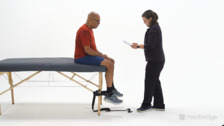
2. Incorporating Biomechanical Technology and Exercises From Pro to Non-pro Settings
Learners explore the range of assessment and rehabilitation technologies used in professional sports and identify cost-effective, clinic-friendly alternatives that can be integrated into everyday practice to support movement analysis and performance training.
3. Incorporating Services Such as Nutrition, Rest, and Mental Performance From Pro to Non-pro Settings
This chapter reviews the role of nutrition, sleep, and sports psychology in injury recovery and performance, emphasizing scope-of-practice considerations and practical referral-based strategies for supporting these domains in non-elite clinical settings.

4. Examples of Adapting Professional Care to the Everyday Clinic: Overcoming Barriers for Improvement
The final chapter focuses on common barriers such as time, cost, equipment, and communication, providing actionable solutions for translating professional rehab principles into realistic, ethical, and effective care models for community-based clinicians.

Frequently asked questions
Everything you need to know about Medbridge courses.
Who creates Medbridge courses?
We work with industry-leaders, top researchers, and consultants to build content roadmaps that are then structured into courses, filmed, and edited by our production team before being launched to our site.
How often does Medbridge release new courses?
New courses are added monthly and are automatically included in your subscription as they launch.
How often does Medbridge update courses?
Medbridge reviews its courses annually for relevance and to assess if content is up to date. Based on these reviews it may be determined that a course is out of date resulting in the course being re-filmed or retired, if the content is no longer needed (e.g. a replacement course already exists, the concepts are no longer best practice, etc.).
How many courses does Medbridge offer?
We have over 3,000 accredited courses and we are continually updating our library with new courses. Check our course library for the most up-to-date count for your discipline.
Are there any additional fees for taking a Medbridge course?
There are no additional fees for taking a Medbridge course, obtaining a course certificate of completion, earning CEUs as a subscriber, or accessing any of the additional tools your subscription may include.
Is there a limit to the number of courses I can take?
There is no limit to the number of courses you can take as a subscriber! As a subscriber to Medbridge, you have unlimited access to over 3,000+ accredited CE courses.
If you are a Premium subscriber, you also have unlimited access to our Patient Engagement Tools such as the Home Exercise Program, Patient Education Library, Orthopedic Exam Tests, and Manual Therapy Techniques. We have over 7,000 exercises and over 650+ videos and handouts of patient education resources with more exercises and patient education added to the library based on subscriber feedback, volume of request and specialities.
What is your refund policy?
You are eligible for a refund provided your request is received within 30 days of your subscription purchase and your account has no activity.