
Biomechanics and Technology in ACLR Rehab: Enhancing Clinical Decisions
Presented by Pam Kikillus, Andrea Webster, and Laura Tietjen
This course examines how biomechanics and emerging technologies can be integrated into ACL reconstruction (ACLR) rehabilitation to improve clinical decision-making and patient outcomes. Participants will explore current evidence related to ACL injury risk, return-to-sport outcomes, and reinjury rates, while learning how biomechanical analysis and neuromuscular control influence movement quality. The course emphasizes practical application of technology—including motion analysis tools and smartphone-based assessment apps—to objectively measure performance, guide exercise selection, and determine readiness for discharge or return to sport. Designed for rehabilitation professionals, this course provides a framework for using data-driven assessment and targeted interventions to enhance movement quality, reduce injury risk, and optimize long-term outcomes after ACLR.
Learning Objectives
- Distinguish risk factors for ACL injury, reinjury, and poor outcomes after ACLR
- Apply biomechanical terminology when evaluating motor performance and movement patterns
- Implement smartphone applications to clinically assess key identified biomechanical metrics
- Prioritize exercise selection based on deficient metrics and movement patterns identified with smartphone applications and clinical assessment
- Determine readiness for discharge or return to sport after ACLR
Meet your instructors

Pam Kikillus
Pam Kikillus received her entry-level physical therapy degree and a doctor of health science degree from the University of Indianapolis. She is a board-certified orthopedic clinical specialist, a certified hand therapist, and a fellow of the American Academy of Orthopaedic Manual Physical Therapists. Pam practices physical…

Andrea Webster
Andrea Webster received her doctor of physical therapy degree from the MGH Institute of Health Professions. She has experience practicing in outpatient orthopedics and pediatrics, and she is certified in neurodevelopmental treatment (NDT) for the pediatric client. She currently works in an outpatient pediatric setting,…

Laura Tietjen
Laura Tietjen graduated from the University of Southern California Department of Biokinesiology and Physical Therapy. She is a board-certified orthopedic clinical specialist and has extensive training with the North American Institute of Orthopedic Manual Therapy. Beginning with a strong background in outpatient physical…
Chapters & learning objectives
1. Are We Providing Best-Practice Care?
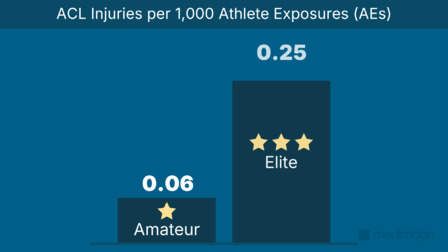
This chapter reviews current ACL injury and reconstruction outcomes, including return-to-sport rates, reinjury risk, and posttraumatic arthritis, while highlighting gaps between published research and clinical practice.
2. Biomechanical Analysis in ACL Rehab
Learners are introduced to key biomechanical concepts and terminology and explore how movement analysis helps identify injury risk factors and movement strategies that influence ACL loading and control.
3. Clinical Alternative to the Gold Standard of Testing in a Biomechanics Lab
This chapter focuses on practical, clinic-friendly tools—such as smartphone applications and affordable technology—to objectively measure biomechanical metrics and monitor progress throughout rehabilitation.
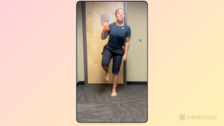
4. Exercise Selection Based on Biomechanical Data From Smartphone Apps and Clinical Assessment
Participants learn how to use biomechanical findings and clinical assessment to prioritize and progress exercises that target specific movement deficits, improve neuromuscular control, and enhance performance.

5. Next Steps in Practice and Planning for Return to Sport
The final chapter integrates biomechanical data, strength testing, and psychological readiness to support treatment planning, interdisciplinary decision-making, and safe return-to-sport or discharge recommendations.
Frequently asked questions
Everything you need to know about Medbridge courses.
Who creates Medbridge courses?
We work with industry-leaders, top researchers, and consultants to build content roadmaps that are then structured into courses, filmed, and edited by our production team before being launched to our site.
How often does Medbridge release new courses?
New courses are added monthly and are automatically included in your subscription as they launch.
How often does Medbridge update courses?
Medbridge reviews its courses annually for relevance and to assess if content is up to date. Based on these reviews it may be determined that a course is out of date resulting in the course being re-filmed or retired, if the content is no longer needed (e.g. a replacement course already exists, the concepts are no longer best practice, etc.).
How many courses does Medbridge offer?
We have over 3,000 accredited courses and we are continually updating our library with new courses. Check our course library for the most up-to-date count for your discipline.
Are there any additional fees for taking a Medbridge course?
There are no additional fees for taking a Medbridge course, obtaining a course certificate of completion, earning CEUs as a subscriber, or accessing any of the additional tools your subscription may include.
Is there a limit to the number of courses I can take?
There is no limit to the number of courses you can take as a subscriber! As a subscriber to Medbridge, you have unlimited access to over 3,000+ accredited CE courses.
If you are a Premium subscriber, you also have unlimited access to our Patient Engagement Tools such as the Home Exercise Program, Patient Education Library, Orthopedic Exam Tests, and Manual Therapy Techniques. We have over 7,000 exercises and over 650+ videos and handouts of patient education resources with more exercises and patient education added to the library based on subscriber feedback, volume of request and specialities.
What is your refund policy?
You are eligible for a refund provided your request is received within 30 days of your subscription purchase and your account has no activity.