
Foundations of Osteoarthritis
Presented by Christopher Bise
Osteoarthritis is one of the leading causes of disability in older adults. As our population ages, the burden on the public health system is expected to increase. This course will provide an overview of the biology of osteoarthritis, its impact on the public health system, and a high-level overview of current evidence-based interventions.
Learning Objectives
- Identify the direct and indirect impacts of osteoarthritis (OA) on the US public health system
- Recognize the current theories behind the development and progression of OA to identify the modifiable risk factors for patients
- Identify the clinical, radiographic, and laboratory criteria used to diagnose OA
- Build appropriate conservative interventions for patients with OA using current evidence to facilitate client participation in daily activities
Meet your instructor

Christopher Bise
Chris is an Associate Professor in the Department of Physical Therapy at the University of Pittsburgh, where he‘s on a mission to make musculoskeletal care smarter, leaner, and just a little less painful for both patients and health systems. A physical therapist for 27 years (and counting), Chris earned his Orthopedic…
Chapters & learning objectives

1. The Economic Burden of Osteoarthritis
This chapter will examine the substantial economic impact of osteoarthritis (OA), beginning with an overview of its prevalence and epidemiology. It will define our current understanding of OA, outlining its causes and symptoms before delving into the substantial economic costs associated with the condition. The chapter will analyze the impact of OA and its effects on healthcare systems, individuals, and society, highlighting the financial burden of treatment, lost productivity, and long-term care.

2. The Biology of Osteoarthritis
This chapter will examine the biological foundations of osteoarthritis, with a focus on the structure and function of articular cartilage. It will explain what articular cartilage is, its essential role in joint health, and how it contributes to normal joint motion. The chapter will also explore the role of inflammation in the development and progression of OA, highlighting the biological processes that lead to cartilage degradation and joint damage.

3. Osteoarthritis and Pain Science
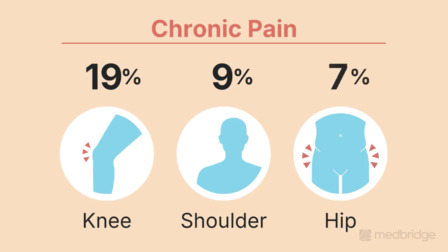
This chapter examines the multifactorial nature of osteoarthritis pain. It explores how inflammation, mechanical changes, and neural sensitization contribute to OA symptoms; reviews common anatomical locations affected by OA; and supports the use of a biopsychosocial model to better understand and treat OA-related pain.

4. Clinical Diagnosis and Classification of OA
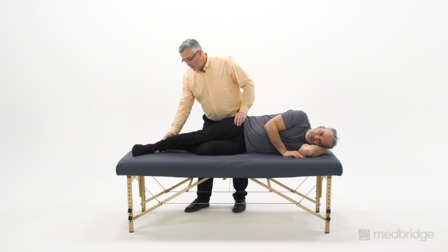
This chapter will guide learners through the processes involved in the clinical diagnosis and classification of osteoarthritis. It will begin by outlining the various classification criteria for OA, which will help distinguish it from other joint disorders. The chapter will then cover the methods used for clinical diagnosis, including physical examination techniques. Additionally, it will discuss the role of radiographic imaging and laboratory tests in confirming the diagnosis and assessing the severity of OA.

5. Evidence-Based Intervention for OA
This chapter will explore a range of evidence-based interventions for managing osteoarthritis. It will cover the benefits of exercise and manual therapy, as well as their role in improving joint health and function, reducing pain, and the application of manual therapy techniques. The chapter will also examine the effectiveness of bracing, acupuncture, and various therapeutic modalities in OA treatment. Additionally, it will discuss the use of dry needling as a complementary approach to managing OA symptoms and enhancing patient outcomes.

Frequently asked questions
Everything you need to know about Medbridge courses.
Who creates Medbridge courses?
We work with industry-leaders, top researchers, and consultants to build content roadmaps that are then structured into courses, filmed, and edited by our production team before being launched to our site.
How often does Medbridge release new courses?
New courses are added monthly and are automatically included in your subscription as they launch.
How often does Medbridge update courses?
Medbridge reviews its courses annually for relevance and to assess if content is up to date. Based on these reviews it may be determined that a course is out of date resulting in the course being re-filmed or retired, if the content is no longer needed (e.g. a replacement course already exists, the concepts are no longer best practice, etc.).
How many courses does Medbridge offer?
We have over 3,000 accredited courses and we are continually updating our library with new courses. Check our course library for the most up-to-date count for your discipline.
Are there any additional fees for taking a Medbridge course?
There are no additional fees for taking a Medbridge course, obtaining a course certificate of completion, earning CEUs as a subscriber, or accessing any of the additional tools your subscription may include.
Is there a limit to the number of courses I can take?
There is no limit to the number of courses you can take as a subscriber! As a subscriber to Medbridge, you have unlimited access to over 3,000+ accredited CE courses.
If you are a Premium subscriber, you also have unlimited access to our Patient Engagement Tools such as the Home Exercise Program, Patient Education Library, Orthopedic Exam Tests, and Manual Therapy Techniques. We have over 7,000 exercises and over 650+ videos and handouts of patient education resources with more exercises and patient education added to the library based on subscriber feedback, volume of request and specialities.
What is your refund policy?
You are eligible for a refund provided your request is received within 30 days of your subscription purchase and your account has no activity.