
Musculoskeletal Radiology and Imaging: Fundamentals, Part 1
Presented by Dr. Robert Boyles
Accurate interpretation of musculoskeletal (MSK) imaging is essential for clinical decision-making, particularly when managing trauma, orthopedic injuries, and underlying pathologic conditions. This course offers a foundational understanding of X-ray imaging, focusing on how images are produced, interpreted, and applied in a clinical context. Learners will explore radiographic principles including radiodensity, image quality, common interpretation errors, and the appropriate use of imaging across different clinical scenarios. Strategies for ordering and evaluating X-rays will be discussed using the ABCS method, with particular attention to fracture types, pediatric considerations, and signs of disease processes such as arthritis, infection, and neoplasms. This course is designed for physical therapists, athletic trainers, physician assistants, and other healthcare professionals involved in musculoskeletal care across outpatient, acute care, and emergency settings.
Learning Outcomes
- Build on your basic knowledge of musculoskeletal imaging modalities by identifying the clinical purpose and typical use cases for X-ray, MRI, CT, and ultrasound
- Recognize when musculoskeletal imaging is appropriate by matching common clinical presentations with the most relevant imaging modality
- Identify key properties and limitations of commonly used imaging modalities in detecting specific musculoskeletal pathologies (e.g., fractures, soft tissue injuries, degenerative changes)
- Differentiate imaging modalities based on contrast resolution, safety, accessibility, and diagnostic utility
- Visualize how imaging findings integrate into the clinical examination to support clinical reasoning, referral decisions, and interdisciplinary communication
- Relate imaging findings to occupational performance by identifying how musculoskeletal conditions seen on imaging may impact ADLs, IADLs, and functional participation in daily roles
Meet your instructor

Dr. Robert Boyles
Dr. Robert Boyles is a clinical professor and former program director of the University of Puget Sound’s Doctor of Physical Therapy program in Tacoma, Washington. Previously, he was on faculty as associate professor and director of clinical education of the US Army-Baylor University DPT program. His primary areas of…
Chapters & learning objectives
1. Overview of X-Rays
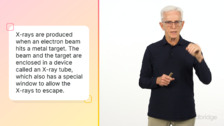
This chapter introduces the basic science behind X-ray image production and the key principles that affect radiographic image quality, such as radiodensity, motion, scatter, and magnification. It also emphasizes common pitfalls in image interpretation—particularly errors in observation and reasoning—that can lead to serious clinical consequences. Understanding these fundamentals is critical for clinicians aiming to recognize radiographic findings accurately and avoid diagnostic errors.

2. Ordering and Interpreting X-Rays
This chapter presents a systematic approach to interpreting musculoskeletal X-rays using the ABCS method (alignment, bone, cartilage, and soft tissue). Learners will also explore how to appropriately order X-rays, considering clinical history, anatomy, and the importance of multiview imaging. Emphasis is placed on recognizing age-related anatomical differences and ensuring proper evaluation of adjacent joints and structures to avoid missed diagnoses.
3. Considerations in Trauma
Focused on trauma scenarios, this chapter highlights how to identify and classify fractures and dislocations on X-ray, including pediatric-specific patterns such as Salter-Harris fractures. Learners will gain familiarity with radiographic signs of trauma, such as cortical disruption, displacement, and abnormal fat pads. Learners will also review terminology used to describe fracture morphology, location, and deformity. This knowledge is essential for acute injury management and communication with other healthcare providers.

4. Considerations for Specific Conditions
This chapter explores radiographic presentations of nontraumatic pathologic conditions, including infections, neoplasms, metabolic bone disease, and arthritis. Learners will review key imaging features that distinguish these conditions and understand how these findings may influence diagnosis, prognosis, and treatment planning. The chapter also underscores the importance of knowing when to refer for further imaging or specialist evaluation.
Frequently asked questions
Everything you need to know about Medbridge courses.
Who creates Medbridge courses?
We work with industry-leaders, top researchers, and consultants to build content roadmaps that are then structured into courses, filmed, and edited by our production team before being launched to our site.
How often does Medbridge release new courses?
New courses are added monthly and are automatically included in your subscription as they launch.
How often does Medbridge update courses?
Medbridge reviews its courses annually for relevance and to assess if content is up to date. Based on these reviews it may be determined that a course is out of date resulting in the course being re-filmed or retired, if the content is no longer needed (e.g. a replacement course already exists, the concepts are no longer best practice, etc.).
How many courses does Medbridge offer?
We have over 3,000 accredited courses and we are continually updating our library with new courses. Check our course library for the most up-to-date count for your discipline.
Are there any additional fees for taking a Medbridge course?
There are no additional fees for taking a Medbridge course, obtaining a course certificate of completion, earning CEUs as a subscriber, or accessing any of the additional tools your subscription may include.
Is there a limit to the number of courses I can take?
There is no limit to the number of courses you can take as a subscriber! As a subscriber to Medbridge, you have unlimited access to over 3,000+ accredited CE courses.
If you are a Premium subscriber, you also have unlimited access to our Patient Engagement Tools such as the Home Exercise Program, Patient Education Library, Orthopedic Exam Tests, and Manual Therapy Techniques. We have over 7,000 exercises and over 650+ videos and handouts of patient education resources with more exercises and patient education added to the library based on subscriber feedback, volume of request and specialities.
What is your refund policy?
You are eligible for a refund provided your request is received within 30 days of your subscription purchase and your account has no activity.