
Navigating the Neuro Chart Review Part 2: Monitoring and Procedures
Presented by Kristen Keech and Jessica Asiello
Patients with acute brain injury often require complex monitoring, medical procedures, and invasive supports that directly impact rehabilitation planning and safety. This course provides participants with the knowledge to interpret neuromonitoring data; identify the purpose and precautions of common lines, drains, and airways; and recognize the functional implications of neurosurgical procedures. Participants will learn how to safely engage patients with devices such as external ventricular drains (EVDs), arterial lines, tracheostomies, and intracranial pressure monitors. They will also learn how to spot early signs of neurologic decline that require care escalation. Emphasizing a structured chart review process, interdisciplinary communication, and vigilant clinical reasoning, this course prepares clinicians to deliver safe, timely, and responsive therapy to individuals with traumatic brain injury, stroke, and other neurologic conditions in critical care and step-down settings.
Learning Objectives
- Interpret intracranial monitoring data to determine appropriate timing and precautions for initiating therapy
- Identify the clinical implications of common lines, drains, and tubes (including EVDs, arterial lines, tracheostomies, and feeding tubes) when planning therapy sessions
- State the relevance of common neurosurgical procedures (e.g., craniotomy, VP shunt, thrombectomy) and determine related therapy precautions and collaboration strategies
- Identify functional red flags (e.g., acute neurological changes, mobility decline) that require holding therapy or escalating care using structured clinical decision tools
- Select interdisciplinary communication strategies to ensure safe and effective rehabilitation in medically complex neurologic patients
Meet your instructors

Kristen Keech
Dr. Kristen Keech is an occupational therapist who is passionate about advancing care and advocating for survivors of brain injury. She holds a master of science in occupational therapy from the University of New Hampshire and a doctorate in occupational therapy from the MGH Institute of Health Professions. She is recognized…

Jessica Asiello
Jessica Asiello is an assistant professor in the Department of Occupational Therapy in the School of Health and Rehabilitation Sciences at the MGH Institute of Health Professions in Boston, Massachusetts. She primarily teaches in the online postprofessional OTD program. Her clinical practice is in acute care at Massachusetts…
Chapters & learning objectives

1. Lines and Tubes
This chapter introduces the function, placement, and therapy considerations of common lines and tubes used in acute neuro care, including central lines, arterial lines, feeding tubes, urinary catheters, and tracheostomies. Clinicians will learn how these devices impact positioning, activity tolerance, and mobility planning, as well as how to coordinate care with nursing to prevent complications and ensure safety during therapy.
2. Monitoring Devices
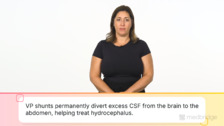
Focusing on intracranial monitoring tools such as external ventricular drains (EVDs), intracranial pressure (ICP) bolts, and cerebral perfusion pressure (CPP) measures, this chapter teaches clinicians how to interpret key values and determine safe timing for activity. Emerging noninvasive tools, such as EEG and pupillometry, are also discussed. Learners will understand how these monitoring devices inform care decisions and what precautions must be taken during therapy.

3. Neurosurgical and Noninvasive Procedures: Precautions
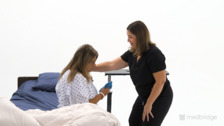
This chapter reviews common neurosurgical and neurointerventional procedures, including craniotomies, craniectomies, thrombectomies, shunt placements, and lumbar drains. Clinicians will learn related precautions, helmet protocols, and functional implications to guide clinical decisions and ensure safe mobilization during the postoperative period.
4. Prevention, Recognition, and Management of Neurologic Decline
The final chapter provides tools to recognize early signs of neurologic deterioration—such as changes in consciousness, new deficits, or elevated ICP—and outlines how to respond using structured escalation protocols. Clinicians will learn to distinguish emergent versus nonemergent changes, communicate clearly with the care team, and document critical observations to ensure timely intervention and protect patient safety.
More courses in this series
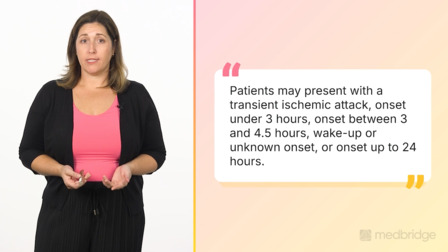
Acute Stroke Essentials: BE FAST and Prepared
Jessica Asiello and Kristen Keech
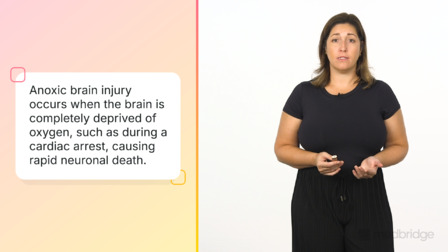
TBI Foundations: Key Knowledge Impacting Clinical Approach
Jessica Asiello and Kristen Keech

Navigating the Neuro Chart Review Part 1: Imaging, Vitals, and Medications
Jessica Asiello and Kristen Keech

Navigating the Neuro Chart Review Part 2: Monitoring and Procedures
Jessica Asiello and Kristen Keech
Frequently asked questions
Everything you need to know about Medbridge courses.
Who creates Medbridge courses?
We work with industry-leaders, top researchers, and consultants to build content roadmaps that are then structured into courses, filmed, and edited by our production team before being launched to our site.
How often does Medbridge release new courses?
New courses are added monthly and are automatically included in your subscription as they launch.
How often does Medbridge update courses?
Medbridge reviews its courses annually for relevance and to assess if content is up to date. Based on these reviews it may be determined that a course is out of date resulting in the course being re-filmed or retired, if the content is no longer needed (e.g. a replacement course already exists, the concepts are no longer best practice, etc.).
How many courses does Medbridge offer?
We have over 3,000 accredited courses and we are continually updating our library with new courses. Check our course library for the most up-to-date count for your discipline.
Are there any additional fees for taking a Medbridge course?
There are no additional fees for taking a Medbridge course, obtaining a course certificate of completion, earning CEUs as a subscriber, or accessing any of the additional tools your subscription may include.
Is there a limit to the number of courses I can take?
There is no limit to the number of courses you can take as a subscriber! As a subscriber to Medbridge, you have unlimited access to over 3,000+ accredited CE courses.
If you are a Premium subscriber, you also have unlimited access to our Patient Engagement Tools such as the Home Exercise Program, Patient Education Library, Orthopedic Exam Tests, and Manual Therapy Techniques. We have over 7,000 exercises and over 650+ videos and handouts of patient education resources with more exercises and patient education added to the library based on subscriber feedback, volume of request and specialities.
What is your refund policy?
You are eligible for a refund provided your request is received within 30 days of your subscription purchase and your account has no activity.