
Shockwave: An Introductory Guide for Pelvic and Sexual Health
Presented by Stacey Roberts
Shockwave therapy is an emerging treatment modality with growing application in pelvic and sexual health, yet its mechanisms and clinical use remain underutilized or misunderstood in this field. This introductory course equips physical therapists with foundational knowledge about shockwave therapy, including its physiological effects, device types, and applications across diverse pelvic health conditions. Clinicians will learn to differentiate between true shockwave and radial pressure wave devices, explore relevant research and case-based evidence, and compare shockwave therapy with other modalities such as ultrasound, platelet-rich plasma (PRP), and Botox. The course also outlines safety considerations and contraindications to guide responsible implementation. Ideal for pelvic health practitioners working in outpatient, urology, and women’s and men’s health settings, this course supports informed integration of shockwave therapy into evidence-based practice.
Learning Objectives
- Define the fundamental principles of shockwave therapy, including its mechanisms of action, and distinguish it from other therapeutic modalities
- Identify the key differences between true shockwave therapy and radial pressure wave devices in the context of pelvic and sexual health
- List the physiological effects of shockwave therapy on pelvic and perineal tissues, including its role in promoting healing, reducing pain, and improving function
- Recognize evidence-supported indications for shockwave therapy in addressing pelvic pain, vulvodynia, and sexual health conditions based on recent case studies and research
- Highlight how shockwave therapy may be integrated into treatment approaches to support participation in meaningful daily activities (such as toileting, and sexual activity) affected by pelvic and sexual health conditions
Meet your instructor

Stacey Roberts
Stacey Roberts is a highly accomplished physical therapist and nurse with over three decades of clinical experience specializing in outpatient orthopedics, sports medicine, and women’s health. A pioneer in integrated care, Stacey owned and operated a specialized clinic on Australia’s Gold Coast for 13 years, where she began…
Chapters & learning objectives
1. Fundamentals of Shockwave Therapy
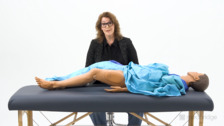
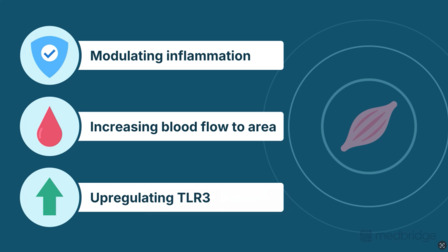
This chapter introduces the origins, mechanisms, and medical evolution of shockwave therapy, highlighting its unique effects on soft tissue healing and pain modulation. Clinicians will learn how shockwave therapy interacts with pelvic tissues through mechanical, chemical, and biological pathways and will explore the differences between device types, including high- and low-intensity options. This foundational knowledge supports clinical decision-making in pelvic and sexual health practice.

2. True Shockwave vs. Radial Pressure Wave Therapy
This chapter breaks down the key distinctions between true shockwave therapy and radial pressure wave (RPW) devices, focusing on physics, depth of penetration, and therapeutic outcomes. Clinicians will review research comparing the efficacy of both approaches in treating pelvic and sexual dysfunction. Understanding these differences ensures proper device selection and enhances treatment precision.

3. Clinical Applications for Shockwave in Pelvic and Sexual Health
Clinicians will explore evidence-based applications of shockwave therapy for pelvic and sexual health concerns, including dyspareunia, incontinence, erectile dysfunction, chronic pelvic pain, and prostatitis. This chapter presents current research and clinical guidelines, including American Urological Association (AUA) recommendations, to help providers identify appropriate indications, tailor treatment to anatomy and pathology, and optimize patient outcomes.

4. Shockwave Safety, Comparison to Other Modalities, and Contraindications
This chapter reviews safety protocols, universal contraindications, and manufacturer-specific precautions for the use of shockwave therapy in pelvic health. It also compares shockwave therapy with other interventions such as ultrasound, PRP, Botox, and dry needling. By positioning shockwave within the broader therapeutic landscape, clinicians can make informed decisions about multimodal care plans.
Frequently asked questions
Everything you need to know about Medbridge courses.
Who creates Medbridge courses?
We work with industry-leaders, top researchers, and consultants to build content roadmaps that are then structured into courses, filmed, and edited by our production team before being launched to our site.
How often does Medbridge release new courses?
New courses are added monthly and are automatically included in your subscription as they launch.
How often does Medbridge update courses?
Medbridge reviews its courses annually for relevance and to assess if content is up to date. Based on these reviews it may be determined that a course is out of date resulting in the course being re-filmed or retired, if the content is no longer needed (e.g. a replacement course already exists, the concepts are no longer best practice, etc.).
How many courses does Medbridge offer?
We have over 3,000 accredited courses and we are continually updating our library with new courses. Check our course library for the most up-to-date count for your discipline.
Are there any additional fees for taking a Medbridge course?
There are no additional fees for taking a Medbridge course, obtaining a course certificate of completion, earning CEUs as a subscriber, or accessing any of the additional tools your subscription may include.
Is there a limit to the number of courses I can take?
There is no limit to the number of courses you can take as a subscriber! As a subscriber to Medbridge, you have unlimited access to over 3,000+ accredited CE courses.
If you are a Premium subscriber, you also have unlimited access to our Patient Engagement Tools such as the Home Exercise Program, Patient Education Library, Orthopedic Exam Tests, and Manual Therapy Techniques. We have over 7,000 exercises and over 650+ videos and handouts of patient education resources with more exercises and patient education added to the library based on subscriber feedback, volume of request and specialities.
What is your refund policy?
You are eligible for a refund provided your request is received within 30 days of your subscription purchase and your account has no activity.