
Phenotype to Function: Personalizing Parkinson’s Rehab
Presented by Emily Ramon and Mike Studer

Description
*This webinar is scheduled for 5:00 PM EDT / 2:00 PM PDT
Despite the growing body of evidence surrounding Parkinson’s disease (PD) phenotypes, many rehabilitation professionals continue to utilize a “one-size-fits-all” approach that fails to account for the distinct neurobiological drivers of the disease. This course addresses the critical clinical gap between traditional PD exercise protocols and the emerging science of neuro-phenotyping, specifically focusing on the tremor-dominant (TD), postural instability gait disorder (PIGD), and young-onset (YOPD) populations. By diving deep into the interplay between dopaminergic and cholinergic pathways, as well as the “body-first” versus “brain-first” models of progression, participants will learn to move beyond symptom management toward precision-based care. The course provides a comprehensive framework for integrating autonomic and sensory screening into the motor examination to better predict and manage challenges such as freezing of gait, orthostatic hypotension, and physiological fatigue. This session empowers clinicians to synthesize complex pathophysiology into actionable, task-specific interventions. Learners will leave with the ability to construct individualized programs that optimize functional participation and long-term neuroplasticity for the diverse spectrum of people living with Parkinson’s.
Instructors
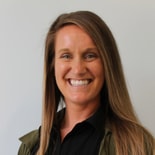
Emily Ramon, PT, DPT, NCS
Dr. Emily Ramon is the Clinic Director of re+active physical therapy and wellness in Los Angeles, where she directs outpatient services and wellness programming specialized for Parkinson’s Disease. As a faculty member for the Schmidt Movement Disorders Fellowship, she provides advanced didactic instruction on the…
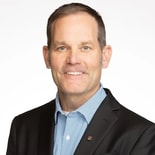
Mike Studer, PT, DPT, MHS, NCS, CEEAA, CWT, CSST, CBFP, CSRP, FAPTA
Mike Studer, PT, DPT, MHS, NCS, CEEAA, CWT, CSST, CBFP, CSRP, FAPTA has been a PT since 1991, a board certified in neurologic PT in 1995, and a private practice owner since 2005. Dr. Studer has been an invited speaker covering all 50 states, 14 countries, and 5 continents speaking on topics ranging from cognition and…
Learning Objectives
- Interpret "body-first" and "brain-first" pathophysiological mechanisms to determine the prioritization of nonmotor symptoms and early clinical presentation.
- Evaluate motor and nonmotor findings during a clinical examination to classify a patient into tremor-dominant (TD), postural instability gait disorder (PIGD), or young-onset (YOPD) phenotypes
- Design individualized intervention strategies for people with the TD phenotype of PD that specifically address the intersection of sensory processing, motor control, and fatigue
- Formulate task-specific rehabilitation plans for people with the PIGD phenotype of PD by integrating autonomic and vestibular strategies into functional training
- Develop a holistic, individualized plan of care for the YOPD population that prioritizes symptom management and long-term brain health while considering unique psychosocial needs, work–life dynamics, and social connectedness
- Synthesize key principles from phenotype-specific presentations to construct a holistic management plan that addresses the long-term interaction between motor, nonmotor, and autonomic challenges across the Parkinson’s spectrum
Agenda
All times in Eastern Time.
- 5:00pm–5:10pm
- Pathophysiology and Clinical Updates in PD
- 5:10pm–5:25pm
- Phenotype Classification: Guiding Individualized Care
- 5:25pm–5:50pm
- The Motor and Nonmotor Examination
- 5:50pm–6:15pm
- The Tremor-Dominant Subtype
- 6:15pm–6:40pm
- The Postural Instability Gait Disorder (PIGD) Subtype
- 6:40pm–7:00pm
- Young-Onset Parkinson's Disease (YOPD)
- 7:00pm–7:15pm
- Translating Evidence Across the Spectrum of PD Phenotypes
- 7:15pm–7:20pm
- Break
- 7:20pm–7:45pm
- Q&A Session
Medbridge is committed to accessibility for all of our subscribers. If you are in need of a disability-related accommodation, please contact [email protected] . We will process requests for reasonable accommodation and will provide reasonable accommodations where appropriate, in a prompt and efficient manner.
Details
- October 5, 2026
- 5:00pm-7:45pm EDT
-
- PTs/PTAs, Advanced
- OTs/OTAs, Advanced
- ATs, Mastery
- Register soon to secure your spot!
Register for Webinar
October 5, 2026
5:00pm-7:45pm EDT
Register for Webinar
* Available October 5
Disclaimer
Mike Studer, instructor for this educational event, receives compensation from Medbridge for this course. No one with the ability to control content has relevant relationship(s) to disclose.
Accreditation
Requirements
"Live" CEUs
Even if this webinar is accredited for your discipline and location, it may not count as a
“Live” CEU.
Approved Status applies to “Live” requirement for: AR, DC, FL, IL, IN, KY, NE, NJ, NC, OK, TN, TX, VA DE, FL, KS, NY, TN, AOTA BOC, FL CA, CT, ME, MS, ASHA"Live" CEUs
PT/PTA
OT/OTA
AT
SLP
Check Accreditation
How to Prepare
- Review our tips for a successful webinar experience
- Test your computer