
Swallow Assessment Across the Lifespan: From
Bedside to Instrumental - Part 1
Presented by Pamela Dodrill and Memorie Gosa

Description
Dysphagia assessment follows a recognizable arc—from the bedside clinical examination to instrumental confirmation—yet how clinicians structure observations, select tools, and decide when to advance to instrumentation remains strikingly variable across settings and patient populations. That variability undermines diagnostic precision and the comparability of care.
This two-part series gives speech-language pathologists a systematic, evidence-based framework for navigating the swallow assessment continuum across the full age span. Each session moves from clinical evaluation through instrumental decision-making, with emphasis on selecting between videofluoroscopic swallow study (VFSS) and fiberoptic endoscopic evaluation of swallowing (FEES) and integrating findings into defensible, patient-centered care plans. Part 1 addresses the pediatric population, from medically fragile neonates in the NICU through school-age children; Part 2 addresses the adult continuum, from screening through instrumental assessment. Taken together, the sessions equip clinicians with repeatable, physiologically grounded decision-making they can apply immediately—whether they work with infants, adults, or a mixed caseload.
Sessions:
Part 1 — Pediatric Swallow Assessment: From Bedside to Instrumental
Presented by Memorie Gosa, PhD, CCC-SLP, BCS-S, and Pamela Dodrill, PhD, CCC-SLP
Part 2 — Adult Swallow Assessment: From Bedside to Instrumental
Presented by Kendrea L. (Focht) Garand, PhD, CScD, CCC-SLP, BCS-S, and Jo Puntil, MS, CCC-SLP, BCS-S, F-ASHA
Instructors
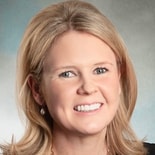
Pamela Dodrill, PhD, CCC-SLP, BCS-S, CNT
Dr Pamela Dodrill is a Board Certified Specialist in Swallowing (BCS-S) and a Certified Neonatal Therapist (CNT). She has worked with infants and children with feeding and swallowing disorders for over two decades. Before relocating to Boston to work at Boston Children’s Hospital and the Brigham and Women’s Hospital NICU,…

Memorie Gosa, PhD, CCC-SLP, BCS-S
Dr. Memorie M. Gosa, PhD, CCC-SLP, BCS-S, CNT, ASHA Fellow, is Chair and Professor in the Department of Speech, Language and Hearing Sciences at The University of Alabama. She is a board-certified specialist in swallowing and swallowing disorders, a certified neonatal therapist, and a recognized expert in pediatric dysphagia,…
Learning Objectives
- Analyze the anatomical and physiological features of the pediatric swallow across developmental stages, including differences between neonatal suckling and more mature eating and drinking patterns.
- Examine medical, nutritional, feeding skill, and psychosocial risk factors for pediatric feeding disorder (PFD) across clinical populations, including premature infants and children with bronchopulmonary dysplasia, congenital heart disease, and neurological impairment.
- Integrate the components of and documentation approach for a structured clinical swallow evaluation (CSE) for infants and children, incorporating standardized clinical assessment tools appropriate to the child's age and medical context.
- Differentiate the clinical utility, psychometric properties, and population-specific evidence for available clinical assessment tools and parent-report outcome measures (PROMs) for pediatric feeding disorder.
- Discriminate between the indications, advantages, and limitations of VFSS and FEES for instrumental swallowing assessment in the pediatric population.
- Apply the International Classification of Functioning, Disability and Health (ICF) framework to formulate an integrated, patient-centered assessment plan for a child with suspected dysphagia.
Agenda
All times in Eastern Time.
- 11:00am–11:05am
- Welcome!
- 11:05am–11:35am
- Chapter 1: Pediatric Swallowing Physiology and Populations at Risk
- 11:35am–12:05pm
- Chapter 2: The Clinical Swallow Evaluation—Infants Through School Age
- 12:05pm–12:35pm
- Chapter 3: Instrumental Assessment—When, Which Modality, and Clinical Decision-Making
- 12:35pm–12:40pm
- Break
- 12:40pm–1:05pm
- Question and Answer Session
Medbridge is committed to accessibility for all of our subscribers. If you are in need of a disability-related accommodation, please contact [email protected] . We will process requests for reasonable accommodation and will provide reasonable accommodations where appropriate, in a prompt and efficient manner.
Details
- September 27, 2026
- 11:00am-1:05pm EDT
-
- SLPs, Intermediate
- Register soon to secure your spot!
Register for Webinar
September 27, 2026
11:00am-1:05pm EDT
Register for Webinar
* Available September 27
Disclaimer
Disclosure:
Memorie Gosa and Pamela Dodrill, instructors for this educational event, receive compensation from Medbridge for this course. No one with the ability to control content has relevant relationship(s) to disclose, with the exception of Memorie Gosa, who has a relationship with Dr. Brown's Medical, which was mitigated.
Accreditation
Requirements
"Live" CEUs
Even if this webinar is accredited for your discipline and location, it may not count as a
“Live” CEU.
Approved Status applies to “Live” requirement for: AR, DC, FL, IL, IN, KY, NE, NJ, NC, OK, TN, TX, VA DE, FL, KS, NY, TN, AOTA BOC, FL CA, CT, ME, MS, ASHA"Live" CEUs
PT/PTA
OT/OTA
AT
SLP
Check Accreditation
How to Prepare
- Review our tips for a successful webinar experience
- Test your computer