
Cross-Setting Clinical Adaptability: How Working Across Multiple Settings Makes You a Better Clinician
What can a home health visit teach you about treating an outpatient post-op patient? Whitney Casazza, PT, DPT, co-founder of Travel Therapy Mentor, draws on a decade of travel therapy experience to show how cross-setting adaptability makes therapists more versatile, insightful clinicians.
October 6, 2026
5 min. read

When clinicians talk about career development and continuing education, the focus is almost always on specialized certifications, dry-needling courses, or deep dives into niche manual techniques. While those pathways offer tremendous value, there is an equally powerful engine for clinical growth that often gets overlooked: cross-setting adaptability.
The ability to step into different healthcare environments—from acute care floors and skilled nursing facilities to home health visits and outpatient clinics—requires shifting your clinical lenses entirely.
Developing cross-setting versatility doesn't just make you an adaptable employee. It sharpens your clinical reasoning, elevates your differential diagnosis, and refines your patient communication in ways a single setting can’t easily replicate.
I’ve learned this firsthand while working as a traveling physical therapist off and on over the past decade in a variety of clinical environments, as well as working in various settings in my PRN jobs back at home. The examples below come from my own work as a physical therapist, but I think the underlying principle applies to occupational and speech therapists, too.
Refining Differential Diagnosis and Medical Complexity
When you practice in a single setting like outpatient, your focus can naturally narrow to the primary musculoskeletal complaint. However, gaining experience in other settings like acute care, home health, or skilled nursing can fundamentally alter your diagnostic lens.
In these settings, primary complaints rarely exist in isolation; they are intertwined with complex multi-system comorbidities, fluctuating vitals, evolving lab values, and polypharmacy. Experiencing this medical complexity heightens your clinical radar across every setting, training you to step back, evaluate the whole patient, catch subtle red flags early, and recognize when symptoms require medical consultation rather than another exercise set.
Elevating Evaluation Habits and Functional Focus
Each clinical environment places a unique demand on what “functional independence” means:
Home Health: Evaluation moves away from precise equipment and focuses on real world safety in the patient’s own home.
Outpatient: The focus shifts toward high level biomechanics, sport specific return to play, or postural ergonomics during an eight hour workday.
SNF / Acute Rehab: Gains are measured in bed mobility, transfers, standing tolerance for hygiene, and safe endurance to navigate a hallway.
Exposure to these varied environments can change how you evaluate patients anywhere. A clinician who understands home health will evaluate an outpatient post-op patient with a much sharper eye toward their real-world home setup. Conversely, a therapist with strong outpatient experience can bring higher level exercise prescription and load progression to post-acute patients who may be ready for more of a challenge.
By applying your techniques across different settings, you stop treating isolated diagnoses and start treating how the whole person moves.
Mastering Patient Communication and Behavioral Adaptability
Working in a single setting for years often creates a "default" communication style adapted to a predictable demographic. Stepping into different clinical settings challenges that comfort zone:
In Acute Care: You master brief, high clarity communication with patients who are fatigued, anxious, or in acute pain, alongside rapid interprofessional updates with nurses and physicians.
In Home Health: You enter the patient’s personal space, requiring soft skills, negotiation, cultural competence, and family dynamics education.
In Outpatient: You act as a coach and educator, keeping patients motivated over 6 to 12 weeks of progressive rehabilitation.
Learning to adapt your tone, empathy, and coaching style to different patient populations is a vital skill. Patients build trust faster with a therapist who can meet them where they are emotionally, whether that’s in an ICU bed or an outpatient gym.
The Ultimate in Variety of Experience: How Travel Therapy Accelerates Clinical Growth
For physical, occupational, and speech therapists who want to build broad clinical reasoning and experience, travel therapy can be an excellent option. We at Travel Therapy Mentor have seen this both in our own experiences across settings and in the fellow travel therapists we’ve mentored over the years.
When you work as a travel therapist, taking contracts across different states and clinical settings regularly exposes you to diverse documentation systems, interprofessional team structures, and clinical cultures:
A 13-week contract in acute care sharpens medical stability checks and line management.
A follow-up contract in home health builds autonomous decision-making and environmental safety skills.
A contract in outpatient sharpens manual skills and exercise progression.
By taking travel therapy assignments across multiple settings, therapists can build breadth in clinical decision-making in a short timeframe that might otherwise take years in a single permanent role.
If a clinician eventually settles into a permanent position, that cross-setting adaptability stays with them. You can become the go-to clinician on your team, the one who can handle complex cases, step in to cover different units without flinching, and mentor others with a well-rounded perspective.
Elevating Your Clinical Practice Wherever You Are
Whether you choose to explore travel therapy or seek opportunities to cross-train within your current healthcare system, challenging yourself outside your primary setting pays dividends. Taking continuing education courses outside your primary focus, shadowing colleagues in different units, and picking up PRN shifts in new environments all build clinical versatility.
Treating human movement isn't a one-size-fits-all skill. The more clinical environments you experience, the sharper your instincts become, and ultimately, the better care your patients receive.
If you’re interested in pursuing travel therapy to broaden your clinical skill set and experience new settings, we’d love to help you get started! Reach out to us at Travel Therapy Mentor anytime for advice on getting started as a travel therapist.
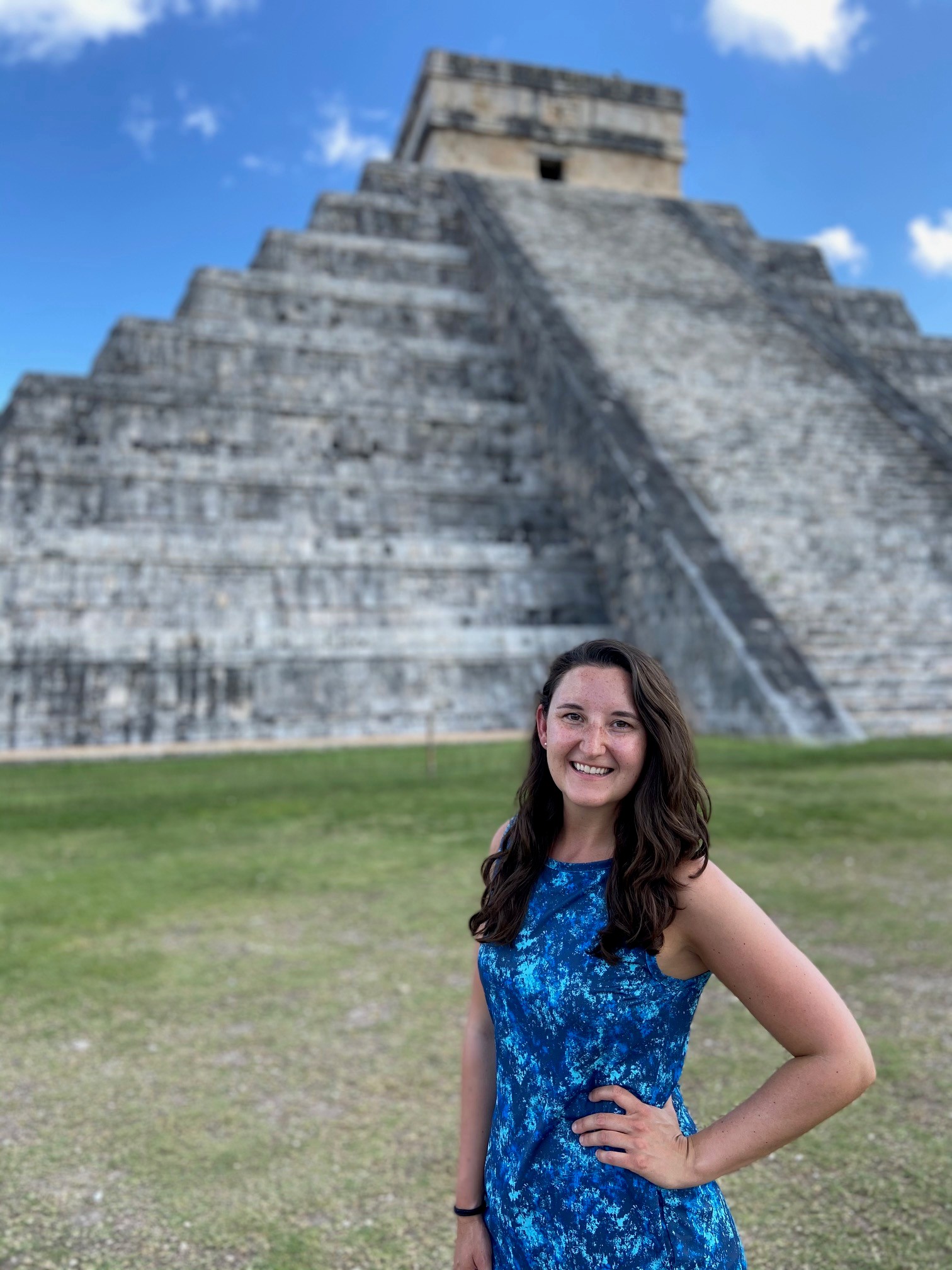
Meet the Author
Subscribe to Our Newsletter
Related Posts

September 17, 2024
Top 5 Benefits of Being a Travel Therapist
By Jared Casazza

June 30, 2023
3 Reasons You Should Consider Travel Therapy as a New Grad
By Jared Casazza

April 18, 2018
5 Steps to Success as a New Grad PT
By Meredith Castin

July 28, 2026
Communication Skills For Nurses: Building Trust Without Losing Time
By Elaine Wittenberg and Joy Goldsmith