
OT in the Home: Pelvic Health Strategies for General Practitioners
Presented by Krista Covell-Pierson
Pelvic health conditions, such as incontinence, pelvic pain, and bowel dysfunction, can significantly impact daily life, yet they often go unaddressed in home-based care. Occupational therapy practitioners are well-positioned to support individuals facing these challenges by integrating pelvic health strategies into functional routines. This course introduces evidence-based assessments and practical interventions for managing urinary and bowel dysfunction, pelvic floor impairments, and postsurgical or neurologically based pelvic health concerns. Emphasizing client education, environmental modifications, and personalized bladder and bowel routines, this course equips OT generalists to confidently recognize and address pelvic health issues in the home. Applicable across a range of diagnoses and practice settings, this course is designed for occupational therapy professionals working in home health, outpatient, and community care settings.
Learning Objectives
- Identify how pelvic health conditions such as urinary and bowel dysfunction, pelvic pain, and neurogenic bladder can impact participation in daily occupations, including toileting, bathing, and mobility
- Recognize three evidence-informed pelvic health assessments appropriate for use in the home setting by occupational therapy practitioners
- List strategies for integrating pelvic floor training, bladder and bowel routines, and client education into occupation-based treatment planning
- Select appropriate patient education content to support continuity of care, including home program resources and community supports for clients with pelvic health conditions
Meet your instructor

Krista Covell-Pierson
Krista Covell-Pierson is the owner and founder of Covell Care and Rehabilitation, an innovative mobile outpatient practice designed to help adults and older adults live safer, more independent, and engaged lives at home and in their communities. She developed this one-of-a-kind model from the ground up, integrating…
Chapters & learning objectives

1. Why Occupational Therapy for Pelvic Health Concerns?
This chapter outlines the prevalence of pelvic health dysfunction and the critical role OT plays in promoting independence and quality of life. Learners will explore the functional consequences of pelvic floor conditions and how untreated issues contribute to falls, social withdrawal, and decreased participation. Foundational OT frameworks support the call for holistic, occupation-based intervention in the home.
2. Where to Start: Identifying Pelvic Health Conditions at Home
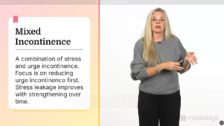
In this chapter, clinicians will review pelvic anatomy and common bladder and bowel dysfunctions, including stress, urge, mixed, and overflow incontinence. Learners will be guided in identifying red flags through chart review, observation, and strategic conversation starters, helping normalize pelvic health discussions and guide further assessment.

3. Assessments to Use in the Home
This chapter introduces three validated assessments—the PFIQ-7, PFDIQ, and IIQ—that help OTs measure the impact of pelvic health symptoms on function and quality of life. The chapter emphasizes how to use these tools to guide intervention, track progress, and support patient-centered goal development in the home setting.

4. Treatment Interventions
Learners will explore treatment strategies tailored to bladder and bowel function, pelvic floor strengthening, toileting routines, and environmental adaptation. Techniques such as voiding diaries, urge suppression, gastrocolic reflex training, stress incontinence exercises, and positioning strategies are presented, along with guidance on home exercise programming and caregiver education.

5. Where Do We Go From Here?
The final chapter provides a framework for discharge planning and continued support, including referral pathways to specialists, community education, and national pelvic health resources. Learners are encouraged to build patient-specific education packets and remain engaged in professional development as pelvic health continues to expand within general OT practice.
More courses in this series

OT in the Home: Guided Safety and Environmental Assessments
Krista Covell-Pierson

OT in the Home: Foundations of Assistive Tech and Equipment
Krista Covell-Pierson

OT in the Home: Interventions for Low Vision
Krista Covell-Pierson
OT in the Home: Addressing Progressive Neurological Conditions
Krista Covell-Pierson

OT in the Home: Managing Chronic Pain and Fatigue
Krista Covell-Pierson

OT in the Home: Pelvic Health Strategies for General Practitioners
Krista Covell-Pierson

OT in the Home: Addressing Depression, Anxiety, and Isolation
Krista Covell-Pierson

OT in the Home: Reducing Caregiver Burden and Connecting Resources
Krista Covell-Pierson
Frequently asked questions
Everything you need to know about Medbridge courses.
Who creates Medbridge courses?
We work with industry-leaders, top researchers, and consultants to build content roadmaps that are then structured into courses, filmed, and edited by our production team before being launched to our site.
How often does Medbridge release new courses?
New courses are added monthly and are automatically included in your subscription as they launch.
How often does Medbridge update courses?
Medbridge reviews its courses annually for relevance and to assess if content is up to date. Based on these reviews it may be determined that a course is out of date resulting in the course being re-filmed or retired, if the content is no longer needed (e.g. a replacement course already exists, the concepts are no longer best practice, etc.).
How many courses does Medbridge offer?
We have over 3,000 accredited courses and we are continually updating our library with new courses. Check our course library for the most up-to-date count for your discipline.
Are there any additional fees for taking a Medbridge course?
There are no additional fees for taking a Medbridge course, obtaining a course certificate of completion, earning CEUs as a subscriber, or accessing any of the additional tools your subscription may include.
Is there a limit to the number of courses I can take?
There is no limit to the number of courses you can take as a subscriber! As a subscriber to Medbridge, you have unlimited access to over 3,000+ accredited CE courses.
If you are a Premium subscriber, you also have unlimited access to our Patient Engagement Tools such as the Home Exercise Program, Patient Education Library, Orthopedic Exam Tests, and Manual Therapy Techniques. We have over 7,000 exercises and over 650+ videos and handouts of patient education resources with more exercises and patient education added to the library based on subscriber feedback, volume of request and specialities.
What is your refund policy?
You are eligible for a refund provided your request is received within 30 days of your subscription purchase and your account has no activity.