
Reducing Readmissions Part 5: Best Practices and Future Directions
Presented by Colleen Morley
This course traces the evolution of readmission prevention from a compliance penalty under the Hospital Readmissions Reduction Program (HRRP) to a comprehensive, value-based strategy focused on quality and health equity. It highlights evidence-based transitional care models, such as Project RED and CTI, and emphasizes the crucial role of community resources, including community health workers (CHWs), in bridging the gap between hospital and home. The presentation then explores how technology—specifically AI and predictive analytics, natural language processing (NLP), and telehealth—accelerates these efforts, while dedicating an entire section to the critical need for pharmacist-led medication management (including Meds-to-Beds programs) to prevent medication-related readmissions. Finally, it positions the case manager as a future-focused leader who must acquire new competencies in digital fluency and trauma-informed care to navigate the shift toward hybrid, home-based, and value-based care models.
Learning Objectives
- Summarize the latest trends and initiatives in hospital readmission prevention
- Identify successful hospital, community, and integrated care programs that have reduced readmissions
- Evaluate how technology, including AI and telehealth, supports readmission prevention
- Explain the role of pharmacists and medication reconciliation in transitional care
- Describe the future direction of readmission reduction and how case managers can prepare for evolving roles
Meet your instructor

Colleen Morley
Dr. Colleen Morley has held positions in acute care as director of case management at several acute care facilities and managed care entities in Illinois, overseeing utilization review, case management, and social services for more than 12 years and piloting quality improvement initiatives focused on readmission reduction and…
Chapters & learning objectives

1. Current Trends and Models in Readmission Prevention
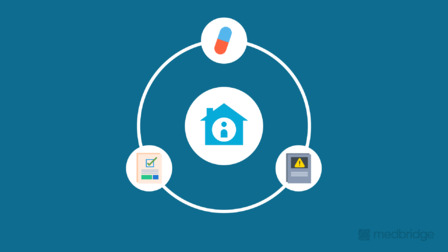
Chapter 1 reviews the origins of readmission reduction in the HRRP and Value-Based Purchasing (VBP), underscoring the shift toward integrated population health strategies that prioritize the “access trifecta” (medication, care, and transportation) and health equity.
2. Models of Success: Hospital and Community-Based Programs
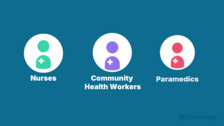
Chapter 2 examines successful evidence-based transitional care frameworks, including Project RED, CTI, and BOOST, and emphasizes the use of community health workers (CHWs) and home visit programs to provide proactive postdischarge support and close the critical “second gap” in follow-up care.

3. Innovations in Technology and Telehealth
Chapter 3 details how technology—such as AI-enhanced predictive analytics, natural language processing (NLP) to uncover hidden social risk factors, and remote patient monitoring (RPM)—is used to enable real-time risk stratification and personalized, efficient postdischarge interventions.

4. Medication Management as a Readmission Prevention Strategy
Chapter 4 highlights the pharmacist’s essential role in transitional care, focusing on best practices like thorough medication reconciliation, patient education using teach-back, and the logistical intervention of Meds-to-Beds programs to eliminate postdischarge prescription delays and improve adherence.

5. Future Directions and the Case Manager’s Call to Action
Chapter 5 outlines the future of readmission reduction, driven by evolving payment models (BPCI-A, ACOs) and hybrid care delivery (hospital-at-home), and calls for case managers to embrace new competencies like digital fluency and trauma-informed care to lead system redesign.

6. Question and Answer Session
In this chapter, Colleen Morley will address common questions about reducing readmissions.
More courses in this series
Reducing Readmissions Part 1: Understanding the Landscape
Colleen Morley
Reducing Readmissions Part 2: Evidence-Based Strategies
Colleen Morley

Reducing Readmissions Part 3: Social Determinants of Health
Colleen Morley
Reducing Readmissions Part 4: The Case Manager’s Role
Colleen Morley
Reducing Readmissions Part 5: Best Practices and Future Directions
Colleen Morley
Frequently asked questions
Everything you need to know about Medbridge courses.
Who creates Medbridge courses?
We work with industry-leaders, top researchers, and consultants to build content roadmaps that are then structured into courses, filmed, and edited by our production team before being launched to our site.
How often does Medbridge release new courses?
New courses are added monthly and are automatically included in your subscription as they launch.
How often does Medbridge update courses?
Medbridge reviews its courses annually for relevance and to assess if content is up to date. Based on these reviews it may be determined that a course is out of date resulting in the course being re-filmed or retired, if the content is no longer needed (e.g. a replacement course already exists, the concepts are no longer best practice, etc.).
How many courses does Medbridge offer?
We have over 3,000 accredited courses and we are continually updating our library with new courses. Check our course library for the most up-to-date count for your discipline.
Are there any additional fees for taking a Medbridge course?
There are no additional fees for taking a Medbridge course, obtaining a course certificate of completion, earning CEUs as a subscriber, or accessing any of the additional tools your subscription may include.
Is there a limit to the number of courses I can take?
There is no limit to the number of courses you can take as a subscriber! As a subscriber to Medbridge, you have unlimited access to over 3,000+ accredited CE courses.
If you are a Premium subscriber, you also have unlimited access to our Patient Engagement Tools such as the Home Exercise Program, Patient Education Library, Orthopedic Exam Tests, and Manual Therapy Techniques. We have over 7,000 exercises and over 650+ videos and handouts of patient education resources with more exercises and patient education added to the library based on subscriber feedback, volume of request and specialities.
What is your refund policy?
You are eligible for a refund provided your request is received within 30 days of your subscription purchase and your account has no activity.