
ACL Rehab Live Patient Case Series Part 4: Loading Up to Run
Presented by Phil Plisky and Kyle Matsel
This course is the fourth in a series that documents real-world progress of an athlete as he progresses through his rehabilitation journey following ACL reconstruction. This advanced course provides rehabilitation professionals with the specialized knowledge and practical skills needed to effectively integrate early plyometrics and targeted exercise interventions into ACL reconstruction rehabilitation programs. The course emphasizes the importance of early-stage dynamic training to enhance recovery outcomes, restore functional performance, and minimize the risk of reinjury in an actual patient.
Learners will gain an in-depth understanding of the strength training principles and scientific rationale underpinning the use of early plyometric exercises in post ACL reconstruction care. Through a combination of theoretical instruction and practical demonstrations, clinicians will learn how to assess patient readiness for early plyometric training, design individualized exercise prescriptions, and implement advanced functional strength training strategies.
Actual footage from the athlete’s treatment session will offer practical application, insights, and real-time problem-solving into the successful integration of these techniques.
Learning Objectives
- Reflect on skills to assess functional strength in post ACL reconstruction patients using standardized testing protocols
- Create personalized rehabilitation programs tailored to the specific needs and progress of patients recovering from ACL reconstruction, emphasizing functional strength and movement patterns
- Adapt progressive loading techniques safely and effectively to enhance muscle strength and endurance in athletes post ACL reconstruction
- Score and correct squat mechanics to ensure proper form and maximize strength development while minimizing stress on the reconstructed ACL
- Evaluate objective measures and patient feedback to monitor progress, and adapt rehabilitation protocols to ensure continuous improvement in functional strength and running performance
- Manage strategies for monitoring running load, including volume, intensity, and frequency, to prevent overuse injuries
- Defend the use of wearable technology to track running metrics such as stride length, cadence, and ground reaction forces for objective analysis and progression
Meet your instructors
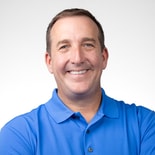
Phil Plisky
Dr. Phil Plisky is a professor in the University of Evansville’s Doctor of Physical Therapy and PhD in Health Professions Education programs. He is the host of the Medbridge Rehab and Performance Lab podcast and founder of the Coaches Club at
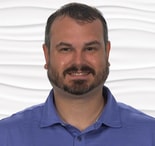
Kyle Matsel
Dr. Matsel is a tenured associate professor at the University of Evansville, where he teaches in the musculoskeletal content areas of the Doctor of Physical Therapy curriculum. He received his doctor of physical therapy degree from the University of Evansville in 2011 and his PhD in rehabilitation sciences from the University…
Chapters & learning objectives

1. Phase V (9–11 Weeks): Rebuilding the Squat
A dysfunctional squat pattern can occur for a variety of reasons in patients post ACL reconstruction. In this chapter, Dr. Matsel demonstrates individualized programming considerations that will equip rehabilitation professionals with the tools to assess and implement effective strategies to restore and train the squat. Optimizing the squat is foundational to improving the patient’s functional outcomes and readiness for higher-level activities such as running.

2. Early Plyometrics and Targeted Exercise Progressions
In this chapter, the learner will discover how to introduce low-impact plyometric drills that enhance joint proprioception and muscular coordination without compromising the integrity of the healing ACL graft. Drs. Plisky and Matsel progress targeted exercises to improve core stability based on functional testing results and provide helpful coaching instruction for higher-level strengthening.

3. Phase VI (12–24 Weeks): Running Progression
In this chapter, Dr. Plisky provides a comprehensive guide to safely returning to running after ACL reconstruction surgery, with a particular focus on monitoring and optimizing running cadence.
More courses in this series

ACL Rehab Live Patient Case Series Part 1: Setting Up Success
Kyle Matsel and Phil Plisky

ACL Rehab Live Patient Case Series Part 2: Early Management and Challenges
Kyle Matsel and Phil Plisky

ACL Rehab Live Patient Case Series Part 3: Strengthening and Complex Movement
Kyle Matsel and Phil Plisky

ACL Rehab Live Patient Case Series Part 4: Loading Up to Run
Kyle Matsel and Phil Plisky

ACL Rehab Live Patient Case Series Part 5: Jumping Into Return to Participation
Phil Plisky and Kyle Matsel

ACL Rehab Live Patient Case Series Part 6: Agility Testing & Training
Phil Plisky and Kyle Matsel

ACL Rehab Live Patient Case Series Part 7: Full Return to Sport and Discharge
Phil Plisky and Kyle Matsel
Frequently asked questions
Everything you need to know about Medbridge courses.
Who creates Medbridge courses?
We work with industry-leaders, top researchers, and consultants to build content roadmaps that are then structured into courses, filmed, and edited by our production team before being launched to our site.
How often does Medbridge release new courses?
New courses are added monthly and are automatically included in your subscription as they launch.
How often does Medbridge update courses?
Medbridge reviews its courses annually for relevance and to assess if content is up to date. Based on these reviews it may be determined that a course is out of date resulting in the course being re-filmed or retired, if the content is no longer needed (e.g. a replacement course already exists, the concepts are no longer best practice, etc.).
How many courses does Medbridge offer?
We have over 3,000 accredited courses and we are continually updating our library with new courses. Check our course library for the most up-to-date count for your discipline.
Are there any additional fees for taking a Medbridge course?
There are no additional fees for taking a Medbridge course, obtaining a course certificate of completion, earning CEUs as a subscriber, or accessing any of the additional tools your subscription may include.
Is there a limit to the number of courses I can take?
There is no limit to the number of courses you can take as a subscriber! As a subscriber to Medbridge, you have unlimited access to over 3,000+ accredited CE courses.
If you are a Premium subscriber, you also have unlimited access to our Patient Engagement Tools such as the Home Exercise Program, Patient Education Library, Orthopedic Exam Tests, and Manual Therapy Techniques. We have over 7,000 exercises and over 650+ videos and handouts of patient education resources with more exercises and patient education added to the library based on subscriber feedback, volume of request and specialities.
What is your refund policy?
You are eligible for a refund provided your request is received within 30 days of your subscription purchase and your account has no activity.