
Esophageal Dysphagia Part 5: GERD Concepts for the SLP
Presented by Joy E. Gaziano
Gastroesophageal reflux disease (GERD) is one of the most common diseases seen by physicians and, in turn, is commonly reported to speech pathologists by individuals presenting with dysphagia and dysphonia. Traditionally, speech pathologists have limited education and exposure to cutting-edge research on GERD management issues. However, they frequently offer behavioral recommendations for reflux management. The varied presentations of GERD, options for diagnostic testing, and approaches to patient management have evolved in recent years. With this enhanced knowledge, SLPs can be informed team members and serve a vital collaborative role in identifying signs and symptoms of GERD, facilitating appropriate referrals, and providing educational support to patients.
This course is part 5 of 5 in a series to educate clinicians about esophageal disease and disorders. The content of this course should aid speech pathologists in medical settings to identify both objective signs and clinical symptoms of GERD, differentiate between GERD and LPRD, understand the pathophysiology of GERD, and develop a working knowledge of best-practice pharmacological and behavioral reflux management. They should understand the current evidence-based recommendations and practical guidance for the evaluation and management of GERD, which currently emphasize a personalized approach to the disorder.
Learning Objectives
- Analyze the scope and economic burden of gastroesophageal reflux disease (GERD)
- Distinguish between clinical symptoms and objective signs of GERD
- Analyze the underlying anatomic and physiologic causes of GERD
- Contrast the indications and effectiveness of medical and surgical approaches to GERD management
- Integrate evidence-based lifestyle and dietary modifications and new behavioral treatments into an individualized care plan for reflux management
Meet your instructor

Joy E. Gaziano
Joy E. Gaziano is a medical speech pathologist and board-certified specialist in swallowing and swallowing disorders (BCS-S) through ASHA. She has served the USF Center for Swallowing Disorders for more than 30 years, focusing on the management of complex upper aerodigestive disorders. She has an active clinical practice,…
Chapters & learning objectives

1. Scope and Burden of GERD
This chapter provides definitions and common terminology used throughout the course. It examines the scope as well as the economic and healthcare burden of GERD, setting the stage for a practical review of current best practices for reflux management.
2. Evaluating Clinical Symptoms vs. Objective Signs of GERD
This chapter outlines the classic symptoms of GERD, including chest pain and regurgitation, and the clinical symptoms of extraesophageal reflux disease. Tools for patient-reported outcome measures are introduced, as are methods for obtaining subjective data on symptoms. Concerning red-flag symptoms are explained.
3. Assessment Tools to Evaluate Objective Signs of GERD
The assessment tools commonly used to diagnose GERD are outlined, including EGD and pH monitoring. The importance of pH monitoring is explained to prevent unnecessary medication management. Speech pathology assessments, including MBS with esophageal screen and videolaryngostroboscopy, can also provide some useful data regarding effects of GERD on voice and swallowing.
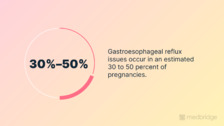
4. Anatomic and Physiologic Causes of GERD
In this chapter, we analyze the underlying anatomic and physiologic causes of GERD. These include transient lower esophageal relaxation, lower esophageal sphincter incompetence, hiatal hernia, and other medical and surgical etiologies. Understanding will be enhanced with diagrams, images, and video examples.
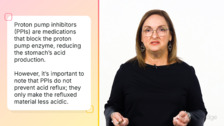
5. Medical and Surgical Approaches to GERD Management
This chapter discusses the indications for, and various examples of, medications used for GERD management. It examines the efficacy of medication management of GERD. Surgical options for GERD management, their indications, and their efficacy will be outlined.
6. Role of SLPs in Reflux Management
This chapter integrates evidence-based recommendations for behavioral and dietary modifications for reflux into the role of the SLP in reflux management. Issues in laryngopharyngeal reflux will be highlighted. Emerging behavioral treatments for laryngeal hypersensitivity disorders, such as diaphragmatic breathing retraining, respiratory muscle strength training, and laryngeal recalibration, will be explained.
More courses in this series

Esophageal Dysphagia Part 1: Anatomy, Physiology, and Assessment
Joy E. Gaziano
Esophageal Dysphagia Part 2: Esophageal Disorders and Their Management
Joy E. Gaziano
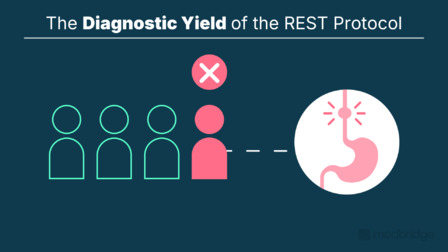
Esophageal Dysphagia Part 3: Implementing an Esophageal Screen in the MBSS
Joy E. Gaziano
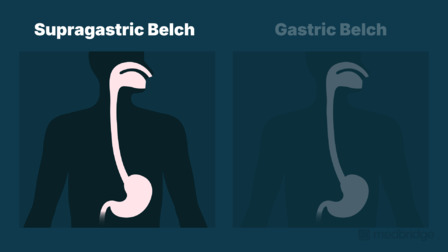
Esophageal Dysphagia Part 4: Belching and Rumination Disorders
Joy E. Gaziano
Esophageal Dysphagia Part 5: GERD Concepts for the SLP
Joy E. Gaziano
Frequently asked questions
Everything you need to know about Medbridge courses.
Who creates Medbridge courses?
We work with industry-leaders, top researchers, and consultants to build content roadmaps that are then structured into courses, filmed, and edited by our production team before being launched to our site.
How often does Medbridge release new courses?
New courses are added monthly and are automatically included in your subscription as they launch.
How often does Medbridge update courses?
Medbridge reviews its courses annually for relevance and to assess if content is up to date. Based on these reviews it may be determined that a course is out of date resulting in the course being re-filmed or retired, if the content is no longer needed (e.g. a replacement course already exists, the concepts are no longer best practice, etc.).
How many courses does Medbridge offer?
We have over 3,000 accredited courses and we are continually updating our library with new courses. Check our course library for the most up-to-date count for your discipline.
Are there any additional fees for taking a Medbridge course?
There are no additional fees for taking a Medbridge course, obtaining a course certificate of completion, earning CEUs as a subscriber, or accessing any of the additional tools your subscription may include.
Is there a limit to the number of courses I can take?
There is no limit to the number of courses you can take as a subscriber! As a subscriber to Medbridge, you have unlimited access to over 3,000+ accredited CE courses.
If you are a Premium subscriber, you also have unlimited access to our Patient Engagement Tools such as the Home Exercise Program, Patient Education Library, Orthopedic Exam Tests, and Manual Therapy Techniques. We have over 7,000 exercises and over 650+ videos and handouts of patient education resources with more exercises and patient education added to the library based on subscriber feedback, volume of request and specialities.
What is your refund policy?
You are eligible for a refund provided your request is received within 30 days of your subscription purchase and your account has no activity.