
GLP Medications: Can We Stop the Loss of Lean Muscle
Mass? (Live Podcast Recording)
Presented by Phil Plisky and Julie Mulcahy
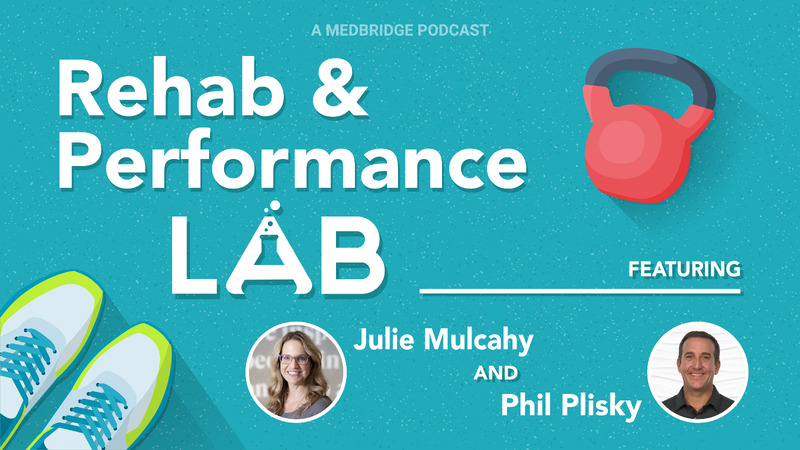
Audio Runtime: 73 Minutes; Learning Assessment Time: 21 Minutes
Join host Phil Plisky, PT, DSc, ATC, CSCS, as he sits down with Dr. Julie Mulcahy, PT, DPT, Director of MSK at Omada Health, to navigate the rapidly evolving intersection of metabolic health and rehabilitation. Together, they explore how GLP-1 medications—now used by 1 in 8 U.S. adults—are redefining chronic disease management and altering muscle physiology. You will discover how to adapt your screening and exercise prescriptions to protect lean muscle mass, manage medication-induced fatigue or GI side effects, and ensure patients don’t trade vital physical power for lost pounds. Tune in to learn how to lead the way in interprofessional collaboration and build sustainable, long-term functional habits that last far beyond the prescription.
Learning Outcomes
- Analyze the evidence around the physiologic and systemic effects of GLP-1 receptor agonists and the resulting necessity for shifts in contemporary rehabilitation practice
- Apply evidence-based, practical strategies to actionably address musculoskeletal risks, energy limitations, and exercise prescription adjustments across the escalation, maintenance, and discontinuation phases of GLP-1 therapy
- Solve patient case scenarios involving screening, patient education, and interprofessional collaboration to optimize long-term health outcomes for patients with obesity or diabetes utilizing GLP-1 agonists
This is an audio-only course. Additional materials are available for download within the course. To receive continuing education credit, complete the course and the accompanying quiz.
Meet your instructors
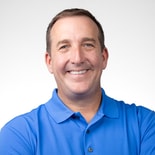
Phil Plisky
Dr. Phil Plisky is a professor in the University of Evansville’s Doctor of Physical Therapy and PhD in Health Professions Education programs. He is the host of the Medbridge Rehab and Performance Lab podcast and founder of the Coaches Club at
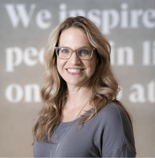
Julie Mulcahy
Julie Mulcahy received her doctorate in physical therapy from the University of Michigan. For the past 20+ years, she has specialized in orthopedics, sports medicine, and women’s health. She obtained her Certificate of Achievement in Pregnancy and Postpartum Physical Therapy (CAPP-OB) in 2021 and her LAMP Institute for…
Chapters & learning objectives
1. GLP Medications: Can We Stop the Loss of Lean Muscle Mass? (Live Podcast Recording)
Host Phil Plisky, PT, DSc, ATC, CSCS and expert Dr. Julie Mulcahy, PT, DPT, dive into how rehab professionals must adapt exercise prescriptions and screening tools to safely manage the musculoskeletal risks and rapid physiological shifts of the millions of patients now utilizing GLP-1 medications.
More courses in this series

How Can We Create Effective Return-to-Running Protocols?
Todd Arnold and Phil Plisky

Disconnected Expectations: How Do You Manage ACL Return-to-Sport Timelines?
Kyle Matsel and Phil Plisky

How Do We Untangle the Evidence Around Shoulder Rehabilitation and Surgery?
Lenny Macrina and Phil Plisky

Unseen Forces: Do Contextual Factors Matter to Outcomes?
Elizabeth Lane and Phil Plisky

To Cut or Not to Cut: Where Do We Stand With Surgery and MSK Conditions?
Phil Plisky and Alexis Wright

How Can Identifying Your Patient’s Innate Mobility Change Their Outcomes?
Jenna Gourlay and Phil Plisky

Does Everyone Need Pain Neuroscience Education?
Adriaan Louw and Phil Plisky

Can Insights Into Manual Therapy Mechanisms Guide Clinical Practice?
Phil Plisky and Amy McDevitt

Do You Know the Top 5 Updates Orthopedic Rehab Providers Need to Know?
Phil Plisky and Eric Robertson

Are You Missing Out on the Latest Treatment for Overuse Injuries?
Phil Plisky and Katie Whetstone

Blood Flow Restriction: Is It a Game Changer for Rehab Professionals?
Johnny Owens and Phil Plisky

How to Get Better Results With Patients Who Have More Mobility
Jenna Gourlay and Phil Plisky

Is Confidence the Missing Link in Athletes’ Return to Play Post Injury?
Clare Ardern and Phil Plisky

What is Evidence-Based in Cupping and Fascial Science?
Christopher DaPrato and Phil Plisky

Lateral Elbow Pain: Are You Missing Key Factors?
Phil Plisky and Ann Porretto-Loehrke

Is Avoiding Open Chain After ACLR Slowing Your Patient’s Progress?
Phil Plisky and Lynn Snyder-Mackler
Quad Recovery at Risk: Can You Afford to Skip NMES and Strength Testing?
Phil Plisky and Lynn Snyder-Mackler
Hip Impingement: Is Rehabilitation the Best Route?
Phil Plisky and Benedict Nwachukwu
Creatine Myths, Protein Lies, and Stimulant Dangers: Fact or Fiction?
Roberta Anding, Leslie Bonci, and Phil Plisky
What’s the Smartest Path Back After Shoulder Injury? (Live Podcast Recording)
Lenny Macrina and Phil Plisky
Imaging for Clinicians: When Should You Refer, Review, or Reconsider?
Phil Plisky and Lance Mabry
Cancellations and Exercise Noncompliance: Can RTM Help Us?
Anang Chokshi, Jon Ide-Don, and Phil Plisky
Running Foot Strike, Cadence, and Shoes: What Does the Research Actually Say?
Phil Plisky and COL (Ret) Don Goss
Applying Performance Principles: How Do You Modify for the Rehab Setting?
Robert Panariello and Phil Plisky
Is 3×10 the Best? A Modern Approach to Strength in Rehab (Live Podcast Recording)
Daniel Lorenz and Phil Plisky
Dry Needling Research: Why Are the Results So Inconsistent?
Phil Plisky and Edo Zylstra
ACL Graft Choice: Is There a New Gold Standard?
Phil Plisky and Matt Daggett
Osteoarthritis: Is “Bone on Bone“ Destroying Your Patient’s Progress?
Christopher Bise and Phil Plisky
Concussion Rehabilitation Myths: Is Your Practice Up-to-Date?
Phil Plisky and Mary Ann Roelke
GLP Medications: Can We Stop the Loss of Lean Muscle Mass? (Live Podcast Recording)
Julie Mulcahy and Phil Plisky
Frequently asked questions
Everything you need to know about Medbridge courses.
Who creates Medbridge courses?
We work with industry-leaders, top researchers, and consultants to build content roadmaps that are then structured into courses, filmed, and edited by our production team before being launched to our site.
How often does Medbridge release new courses?
New courses are added monthly and are automatically included in your subscription as they launch.
How often does Medbridge update courses?
Medbridge reviews its courses annually for relevance and to assess if content is up to date. Based on these reviews it may be determined that a course is out of date resulting in the course being re-filmed or retired, if the content is no longer needed (e.g. a replacement course already exists, the concepts are no longer best practice, etc.).
How many courses does Medbridge offer?
We have over 3,000 accredited courses and we are continually updating our library with new courses. Check our course library for the most up-to-date count for your discipline.
Are there any additional fees for taking a Medbridge course?
There are no additional fees for taking a Medbridge course, obtaining a course certificate of completion, earning CEUs as a subscriber, or accessing any of the additional tools your subscription may include.
Is there a limit to the number of courses I can take?
There is no limit to the number of courses you can take as a subscriber! As a subscriber to Medbridge, you have unlimited access to over 3,000+ accredited CE courses.
If you are a Premium subscriber, you also have unlimited access to our Patient Engagement Tools such as the Home Exercise Program, Patient Education Library, Orthopedic Exam Tests, and Manual Therapy Techniques. We have over 7,000 exercises and over 650+ videos and handouts of patient education resources with more exercises and patient education added to the library based on subscriber feedback, volume of request and specialities.
What is your refund policy?
You are eligible for a refund provided your request is received within 30 days of your subscription purchase and your account has no activity.