
Abdominal Vascular Compression Syndromes in HSD/EDS: Treatment Paradigm
Presented by Patricia Stott and Amy Morris
Abdominal neurovascular compression is more common in those with connective tissue pathologies and is frequently found with multiple compression sites. There is a lack of understanding of the influencing factors for this condition and how to treat it appropriately. The course will review those influencing factors and the treatment paradigm to consider how one might best approach an individual who is dealing with compression issues. We will review various influencing factors and provide suggestions for use in clinical settings with individuals.
Learning Objectives
- Consider the factors that contribute to the presentation of compression syndromes
- Interpret the patient’s presentation to determine treatment strategies to help with biomechanical issues associated with compression syndromes
- Formulate treatment strategies for the pressure system involvement in those with compression pathologies
- Consider general approaches to treatment and referrals for neurological involvement in compression syndromes if needed
Meet your instructors

Patricia Stott
Patricia Stott treats primarily those with HSD/EDS and those considered highly sensitive patients at her own practice, Elevation Wellness, outside the Denver metro area in Colorado. Also trained in functional and herbal medicine, she works on health and wellness through holistic strategies with these patients, both in person…

Amy Morris
Amy graduated from Thomas Jefferson University in 1992 with a master’s degree in physical therapy. She is the owner of Ahimsa Therapeutics in Langhorne, Pennsylvania. Amy has extensively studied manual therapy modalities, including craniosacral therapy, neural, vascular, and visceral manipulation. Amy is also certified in the…
Chapters & learning objectives
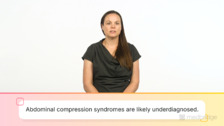
1. Contributing Factors to Abdominal Compression Pathologies in the HSD/EDS Population
This chapter will briefly review the key points discussed in our second presentation on abdominal compressions. This review includes the layers that are typically involved with compression pathologies in those with connective tissue–related disorders.
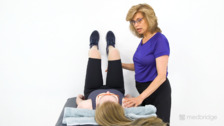
2. The Biomechanical Approach to Treatment: Respiration
This chapter will review the biomechanical issues that might be present, including rib cage mechanics, spinal alignment issues, and pelvic floor dysfunction, and how to incorporate these into treatment strategies for abdominal compressions.
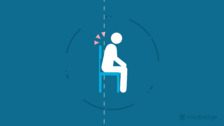
3. The Biomechanical Approach to Treatment: Extremities and Posture
This chapter will discuss other factors that are important to pressure regulation. Our discussion of the lung, diaphragm, and other factors will include ideas for treatment and management.
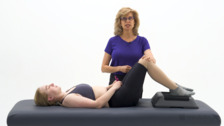
4. Pressure Regulation and Neurological Treatment Strategies With Compression Syndromes
There is an autonomic component to diaphragm regulation. This chapter will review the various diagnoses that might coexist with diaphragm control issues that will need further investigation in an individual with compression and connective tissue pathologies.
More courses in this series
Presentation of GI and Abdominal Comorbidities of HSD/EDS
Amy Morris and Patricia Stott

Abdominal Vascular Compression Syndromes in HSD/EDS: Presentation and Evaluation
Amy Morris and Patricia Stott

Abdominal Vascular Compression Syndromes in HSD/EDS: Treatment Paradigm
Amy Morris and Patricia Stott
Frequently asked questions
Everything you need to know about Medbridge courses.
Who creates Medbridge courses?
We work with industry-leaders, top researchers, and consultants to build content roadmaps that are then structured into courses, filmed, and edited by our production team before being launched to our site.
How often does Medbridge release new courses?
New courses are added monthly and are automatically included in your subscription as they launch.
How often does Medbridge update courses?
Medbridge reviews its courses annually for relevance and to assess if content is up to date. Based on these reviews it may be determined that a course is out of date resulting in the course being re-filmed or retired, if the content is no longer needed (e.g. a replacement course already exists, the concepts are no longer best practice, etc.).
How many courses does Medbridge offer?
We have over 3,000 accredited courses and we are continually updating our library with new courses. Check our course library for the most up-to-date count for your discipline.
Are there any additional fees for taking a Medbridge course?
There are no additional fees for taking a Medbridge course, obtaining a course certificate of completion, earning CEUs as a subscriber, or accessing any of the additional tools your subscription may include.
Is there a limit to the number of courses I can take?
There is no limit to the number of courses you can take as a subscriber! As a subscriber to Medbridge, you have unlimited access to over 3,000+ accredited CE courses.
If you are a Premium subscriber, you also have unlimited access to our Patient Engagement Tools such as the Home Exercise Program, Patient Education Library, Orthopedic Exam Tests, and Manual Therapy Techniques. We have over 7,000 exercises and over 650+ videos and handouts of patient education resources with more exercises and patient education added to the library based on subscriber feedback, volume of request and specialities.
What is your refund policy?
You are eligible for a refund provided your request is received within 30 days of your subscription purchase and your account has no activity.