
Aquatic Therapy to Address Obesity and Deconditioning in Pediatrics
Presented by Kathleen (Kiki) Dickinson
Obesity and physical deconditioning among children and adolescents—especially those with disabilities—pose significant barriers to health, participation, and development. This course presents aquatic therapy as a powerful and accessible intervention to combat these challenges. Clinicians will explore the physiological, psychosocial, and environmental factors contributing to pediatric obesity, and how aquatic environments offer a supportive, lower-impact setting to improve endurance, strength, coordination, and overall engagement. With a focus on evidence-based high-intensity interval training (HIIT) and functional aquatic exercise, the course will teach participants to apply progressive, goal-oriented strategies tailored to the needs and abilities of pediatric clients. This course is intended for physical and occupational therapy professionals working with children and adolescents in clinical, community, or school-based settings.
Learning Objectives
- Apply evidence-based research on the incidence, causes, and impact of obesity and deconditioning in children and adolescents, with a focus on those with disabilities
- Evaluate the benefits of high-intensity interval training (HIIT) for addressing obesity and deconditioning in children and adolescents with disabilities
- Analyze the impact of aquatic HIIT and related techniques on land-based therapy outcomes for children and adolescents
- Develop aquatic treatment strategies to improve strength, balance, coordination, and gross motor skills in children and adolescents with obesity and deconditioning
- Apply clinical decision-making to appropriately progress or regress aquatic therapy sessions for optimal treatment intensity and effectiveness
Meet your instructor

Kathleen (Kiki) Dickinson
Kiki has over 30 years of experience as a physical therapist at St Croix Therapy (Therapeutic Services for Children and Adults) in Hudson, Wisconsin, serving both pediatric and adult clients. Her caseload spans the birth-to-three early intervention population, children with complex neurological conditions, and adults with…
Chapters & learning objectives
1. Pediatric Obesity and Deconditioning: Evidence-Based Research
This chapter examines the growing prevalence of obesity and deconditioning in pediatric populations, particularly among children with disabilities. It outlines contributing factors, such as physical inactivity, socioeconomic disparities, and limited access to appropriate interventions. Understanding this context equips therapists to better recognize risk factors and the need for early, individualized intervention strategies.

2. Positive Impact of HIIT and Other Aquatic Techniques for Childhood Obesity and Deconditioning
This chapter focuses on high-intensity interval training (HIIT) and explores how structured aquatic exercise programs can significantly benefit obese and deconditioned children. Backed by research, it details how aquatic HIIT improves cardiovascular health, body composition, and cognitive performance, while providing practical guidance on programming, intensity, and safety for children with and without disabilities.

3. Aquatic Treatment Strategies and Optimal Treatment Intensity
This chapter highlights specific aquatic treatment strategies designed to target strength, balance, coordination, and motor skills in pediatric clients. It emphasizes selecting appropriate exercises, equipment, and water depth to match each child’s abilities and demonstrates how to modify intensity to support effective, individualized therapy progression.
4. Clinical Decision-Making for Progression and Regression in Aquatic Pediatric Therapy
The final chapter centers on clinical reasoning to safely and effectively progress or regress aquatic therapy interventions. Therapists will learn how to tailor programs by adjusting variables such as resistance, buoyancy, and task complexity to match functional goals and ensure optimal challenge, motivation, and treatment outcomes.
More courses in this series
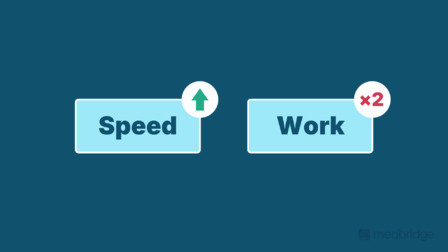
Introduction to Water Principles for Effective Aquatic Therapy
Kathleen (Kiki) Dickinson
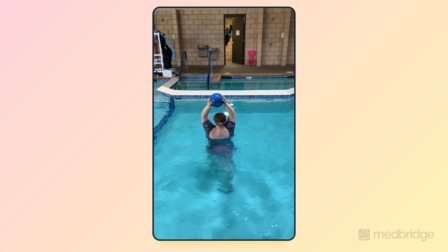
Aquatic Therapy to Address Obesity and Deconditioning in Pediatrics
Kathleen (Kiki) Dickinson
Clinical Decision-Making in Pediatric Aquatic Therapy: Case Studies
Kathleen (Kiki) Dickinson
Frequently asked questions
Everything you need to know about Medbridge courses.
Who creates Medbridge courses?
We work with industry-leaders, top researchers, and consultants to build content roadmaps that are then structured into courses, filmed, and edited by our production team before being launched to our site.
How often does Medbridge release new courses?
New courses are added monthly and are automatically included in your subscription as they launch.
How often does Medbridge update courses?
Medbridge reviews its courses annually for relevance and to assess if content is up to date. Based on these reviews it may be determined that a course is out of date resulting in the course being re-filmed or retired, if the content is no longer needed (e.g. a replacement course already exists, the concepts are no longer best practice, etc.).
How many courses does Medbridge offer?
We have over 3,000 accredited courses and we are continually updating our library with new courses. Check our course library for the most up-to-date count for your discipline.
Are there any additional fees for taking a Medbridge course?
There are no additional fees for taking a Medbridge course, obtaining a course certificate of completion, earning CEUs as a subscriber, or accessing any of the additional tools your subscription may include.
Is there a limit to the number of courses I can take?
There is no limit to the number of courses you can take as a subscriber! As a subscriber to Medbridge, you have unlimited access to over 3,000+ accredited CE courses.
If you are a Premium subscriber, you also have unlimited access to our Patient Engagement Tools such as the Home Exercise Program, Patient Education Library, Orthopedic Exam Tests, and Manual Therapy Techniques. We have over 7,000 exercises and over 650+ videos and handouts of patient education resources with more exercises and patient education added to the library based on subscriber feedback, volume of request and specialities.
What is your refund policy?
You are eligible for a refund provided your request is received within 30 days of your subscription purchase and your account has no activity.