
Nutrition, Hydration, and Dysphagia: Assessment and Screening
Presented by Pamela Masters-Farrell and Cindy Nehe
Non-Financial: Cindy Nehe and Pamela Masters-Farrell has no competing non-financial interests or relationships with regard to the content presented in this course.
Determining when and if a patient needs a swallow screen can be critically important to a patient’s overall recovery. Nurses play an important role in communicating with the interdisciplinary team if the patient is demonstrating signs and symptoms of aspiration. This course gives participants an overview of what a bedside dysphagia evaluation entails and why a Modified Barium Swallow may be necessary. This course is applicable for nurses in acute care, post-acute care, long-term care, and home health care settings.
Meet your instructors
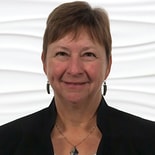
Pamela Masters-Farrell
Pam Farrell has worked, educated, and participated in research in nursing, particularly rehabilitation nursing, since 1975. She has been responsible for management and staff development for rehabilitation facilities from 1985 to the present and is currently designing and publishing multimedia computer-based training programs…
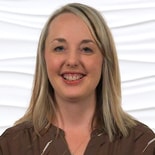
Cindy Nehe
Cindy Nehe has been a Speech Therapist since 2002. She has worked in a variety of settings including education, skilled nursing, outpatient, home health, acute inpatient rehabilitation, and acute care. Cindy is currently in management for an acute care hospital that specializes in cardiac and trauma care. Evaluating and…
Chapters & learning objectives

1. Who Gets Screened and Why
Nurses need to recognize the importance of identifying who needs a swallow screen and to clearly articulate why the screen is necessary. Early identification of patients at risk for aspiration is critical in the recovery process and to prevent complications.

2. SLP Evaluation
This chapter identifies how a Speech-Language Pathologist (SLP) completes a Bedside Dysphagia Evaluation, including what recommendations mean to the nurse. These recommendations can include diet recommendations, liquid recommendations, Modified Barium Swallows, Nothing by Mouth status, and safe swallowing strategies. This is important information for nurses as they spend the most time with patients and caregivers.

3. Modified Barium Swallow Studies
In this chapter, participants will observe Modified Barium Swallow studies including normal and abnormal swallows.

4. Ongoing Assessment
Nurses are the team members who spend the most time with the patient and are instrumental in continued assessment. Patients’ statuses can change (for better or for worse) and the nurse needs to be able to identify when to voice a concern about safe swallowing. This could include time to re-evaluate due to signs or symptoms of aspiration or time to re-evaluate for an upgrade of the patient’s diet.
More courses in this series

Nutrition, Hydration, and Dysphagia: Assessment and Screening
Pamela Masters-Farrell and Cindy Nehe

Nutrition, Hydration, and Dysphagia: Strategies for Care Transitions
Pamela Masters-Farrell and Cindy Nehe

Nutrition, Hydration, and Dysphagia: Nursing Concerns
Pamela Masters-Farrell and Cindy Nehe

Nutrition, Hydration, and Dysphagia: Overview of Risks and Problems
Pamela Masters-Farrell and Cindy Nehe
Frequently asked questions
Everything you need to know about Medbridge courses.
Who creates Medbridge courses?
We work with industry-leaders, top researchers, and consultants to build content roadmaps that are then structured into courses, filmed, and edited by our production team before being launched to our site.
How often does Medbridge release new courses?
New courses are added monthly and are automatically included in your subscription as they launch.
How often does Medbridge update courses?
Medbridge reviews its courses annually for relevance and to assess if content is up to date. Based on these reviews it may be determined that a course is out of date resulting in the course being re-filmed or retired, if the content is no longer needed (e.g. a replacement course already exists, the concepts are no longer best practice, etc.).
How many courses does Medbridge offer?
We have over 3,000 accredited courses and we are continually updating our library with new courses. Check our course library for the most up-to-date count for your discipline.
Are there any additional fees for taking a Medbridge course?
There are no additional fees for taking a Medbridge course, obtaining a course certificate of completion, earning CEUs as a subscriber, or accessing any of the additional tools your subscription may include.
Is there a limit to the number of courses I can take?
There is no limit to the number of courses you can take as a subscriber! As a subscriber to Medbridge, you have unlimited access to over 3,000+ accredited CE courses.
If you are a Premium subscriber, you also have unlimited access to our Patient Engagement Tools such as the Home Exercise Program, Patient Education Library, Orthopedic Exam Tests, and Manual Therapy Techniques. We have over 7,000 exercises and over 650+ videos and handouts of patient education resources with more exercises and patient education added to the library based on subscriber feedback, volume of request and specialities.
What is your refund policy?
You are eligible for a refund provided your request is received within 30 days of your subscription purchase and your account has no activity.