
Optimizing Outcomes After Total Joint Arthroplasty
Presented by John O’Halloran
Modern surgical advancements have radically shifted the landscape of joint replacement, moving from week-long hospital stays to a reality where over 75% of cases may soon be same-day surgeries. Despite these technological leaps, a significant gap remains in postoperative satisfaction, as approximately 26% of total knee patients report being less than satisfied one year after their procedure. This course addresses this clinical disconnect by exploring the critical recovery window and the necessity of shifting from “mindless rehab” to high-level clinical decision-making. Participants will evaluate contemporary technologies such as robotic-assisted surgery and smart implants while mastering practical strategies for prehabilitation and the early facilitation of functional gait. Designed for physical therapists and healthcare providers across acute care, home health, and outpatient settings, this course provides the tools to mitigate persistent impairments and improve long-term patient-reported outcomes.
Learning Objectives
- Analyze the history of joint replacement and the advanced technologies used in contemporary arthroplasty
- Examine key facts and figures related to joint replacement, including factors associated with patient dissatisfaction
- Determine why prehabilitation and the first 21 days after joint replacement are critical to successful recovery
- Distinguish rehabilitation approaches across acute care, skilled nursing, home health, and outpatient settings
- Integrate bed exercises, core training, and functional weight-bearing activities into early postoperative rehabilitation following joint arthroplasty
- Categorize gait cycle characteristics and research-identified gait compensation patterns, along with the postoperative impairments that commonly persist after hip and knee arthroplasty
Meet your instructor

John O’Halloran
John O’Halloran, PT, DPT, OCS, ATC (retired), CSCS (retired), Cert MDT, Certified SCTM-1 Practitioner, is a board-certified orthopedic clinical specialist by the American Physical Therapy Association with over 30 years of experience in the field of orthopedics. He earned his postprofessional Doctor of Physical Therapy from…
Chapters & learning objectives
1. Trends in Joint Replacement
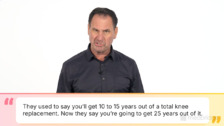
This chapter examines the historical progression of joint replacement and the cutting-edge technological advancements, such as robotic-assisted surgery and 3D-printed implants, that define contemporary practice. Understanding these surgical innovations is essential for providers to align rehabilitation goals with the specific capabilities and limitations of modern prosthetic designs.

2. An Aging Population
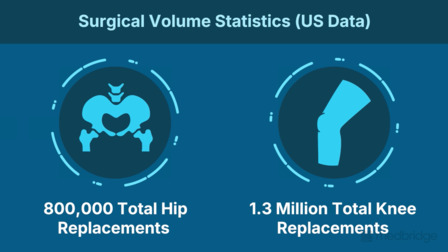
As joint replacements transition toward same-day discharge and an aging demographic, clinicians must understand the impact of new reimbursement models and shifting patient expectations. This section highlights factors contributing to patient dissatisfaction and the rising demand for revision surgeries, emphasizing why therapists must adapt to a more efficient, evidence-based care delivery model.

3. Arthritis and the Joint
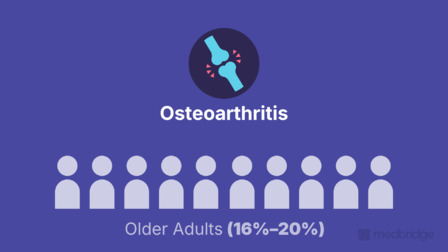
This chapter explores the global impact of osteoarthritis as a leading cause of disability and evaluates the various conservative management strategies used before surgical intervention. Clinicians will examine the role of injections, bracing, and activity modification, as well as how these factors influence the eventual timing and success of a total joint arthroplasty.

4. Improved Outcomes
Clinicians will analyze the critical role of prehabilitation and perioperative pain management in securing successful long-term outcomes and reducing hospital stays. By addressing inclusion and exclusion criteria for outpatient surgery, providers can better manage patient expectations and identify those at risk for persistent postoperative impairments.
5. Postoperative Exercises
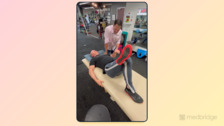
This chapter provides actionable techniques for the early facilitation of function, including core integration and specific exercises to regain terminal joint extension. Moving beyond basic protocols, participants will learn to optimize the kinetic chain and functional gait patterns to ensure patients return to their highest level of activity.
More courses in this series

Optimizing Outcomes After Total Joint Arthroplasty
John O’Halloran
Optimizing Function After Shoulder Arthroplasty
John O’Halloran
Optimizing Gait After Hip Arthroplasty
John O’Halloran
Optimizing Recovery After Knee Arthroplasty
John O’Halloran

Optimizing Complex Cases in Joint Arthroplasty
John O’Halloran
Frequently asked questions
Everything you need to know about Medbridge courses.
Who creates Medbridge courses?
We work with industry-leaders, top researchers, and consultants to build content roadmaps that are then structured into courses, filmed, and edited by our production team before being launched to our site.
How often does Medbridge release new courses?
New courses are added monthly and are automatically included in your subscription as they launch.
How often does Medbridge update courses?
Medbridge reviews its courses annually for relevance and to assess if content is up to date. Based on these reviews it may be determined that a course is out of date resulting in the course being re-filmed or retired, if the content is no longer needed (e.g. a replacement course already exists, the concepts are no longer best practice, etc.).
How many courses does Medbridge offer?
We have over 3,000 accredited courses and we are continually updating our library with new courses. Check our course library for the most up-to-date count for your discipline.
Are there any additional fees for taking a Medbridge course?
There are no additional fees for taking a Medbridge course, obtaining a course certificate of completion, earning CEUs as a subscriber, or accessing any of the additional tools your subscription may include.
Is there a limit to the number of courses I can take?
There is no limit to the number of courses you can take as a subscriber! As a subscriber to Medbridge, you have unlimited access to over 3,000+ accredited CE courses.
If you are a Premium subscriber, you also have unlimited access to our Patient Engagement Tools such as the Home Exercise Program, Patient Education Library, Orthopedic Exam Tests, and Manual Therapy Techniques. We have over 7,000 exercises and over 650+ videos and handouts of patient education resources with more exercises and patient education added to the library based on subscriber feedback, volume of request and specialities.
What is your refund policy?
You are eligible for a refund provided your request is received within 30 days of your subscription purchase and your account has no activity.