
Treatment of Speech/Resonance Disorders Associated
With Velopharyngeal Dysfunction
Presented by Ann W. Kummer
This course will cover the appropriate treatment of VPI (velopharyngeal insufficiency or incompetence). As such, the various surgical procedures typically used will be described. In addition, prosthetic devices (which are used when surgery is not an option) will be shown and discussed. Specific speech therapy techniques, including effective techniques to correct abnormal velar placement, a lateral lisp, and even distortion of /r/, will be described and illustrated through videos. Finally, methods for achieving fast carryover using motor learning principles will be explained.
Meet your instructor
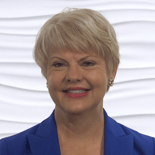
Ann W. Kummer
Dr. Ann W. Kummer retired as senior director of the Division of Speech-Language Pathology at Cincinnati Children’s Hospital in September 2017. Under her direction, the speech-language pathology program at Cincinnati Children’s became the largest pediatric program in the nation and one of the most respected. Dr. Kummer remains…
Chapters & learning objectives

1. Physical Management
Velopharyngeal insufficiency (VPI) is caused by an abnormal structure of the velopharyngeal valve. In contrast, velopharyngeal incompetence (also VPI) is caused by a neuromotor disorder. In all cases of velopharyngeal insufficiency and in most cases of velopharyngeal incompetence, physical management is needed for correction.This chapter will cover different surgical procedures that can be used for both forms of VPI, and prosthetic devices that can be used if surgery is not an option.

2. Speech Therapy
Speech-language pathologists need effective speech therapy techniques to achieve appropriate placement for children who demonstrate abnormal articulation placement. This chapter will cover effective techniques for correction of compensatory speech sound productions due to VPI. These techniques are equally effective for achieving correct placement of other speech sound errors. Video examples of the techniques to correct placement for a variety of sounds will be shown, including techniques to correct velars, lateralization of sibilants, and even an effective technique for correcting /r/.

3. Carryover
Many speech-language pathologists find that they are able to correct a child’s placement with speech therapy but are challenged to achieve carryover in connected speech. As a result, some children are in therapy for many months, or even years, just to work on carryover. This chapter will cover the reasons that carryover is not achieved quickly with therapy, and methods to achieve carryover more quickly through the use of motor learning principles.
More courses in this series

Speech/Resonance Disorders and Velopharyngeal Dysfunction Part 1
Ann W. Kummer

Speech/Resonance Disorders and Velopharyngeal Dysfunction Part 2
Ann W. Kummer

Evaluation of Speech/Resonance Disorders and Velopharyngeal Dysfunction
Ann W. Kummer

Treatment of Speech/Resonance Disorders Associated With Velopharyngeal Dysfunction
Ann W. Kummer
Frequently asked questions
Everything you need to know about Medbridge courses.
Who creates Medbridge courses?
We work with industry-leaders, top researchers, and consultants to build content roadmaps that are then structured into courses, filmed, and edited by our production team before being launched to our site.
How often does Medbridge release new courses?
New courses are added monthly and are automatically included in your subscription as they launch.
How often does Medbridge update courses?
Medbridge reviews its courses annually for relevance and to assess if content is up to date. Based on these reviews it may be determined that a course is out of date resulting in the course being re-filmed or retired, if the content is no longer needed (e.g. a replacement course already exists, the concepts are no longer best practice, etc.).
How many courses does Medbridge offer?
We have over 3,000 accredited courses and we are continually updating our library with new courses. Check our course library for the most up-to-date count for your discipline.
Are there any additional fees for taking a Medbridge course?
There are no additional fees for taking a Medbridge course, obtaining a course certificate of completion, earning CEUs as a subscriber, or accessing any of the additional tools your subscription may include.
Is there a limit to the number of courses I can take?
There is no limit to the number of courses you can take as a subscriber! As a subscriber to Medbridge, you have unlimited access to over 3,000+ accredited CE courses.
If you are a Premium subscriber, you also have unlimited access to our Patient Engagement Tools such as the Home Exercise Program, Patient Education Library, Orthopedic Exam Tests, and Manual Therapy Techniques. We have over 7,000 exercises and over 650+ videos and handouts of patient education resources with more exercises and patient education added to the library based on subscriber feedback, volume of request and specialities.
What is your refund policy?
You are eligible for a refund provided your request is received within 30 days of your subscription purchase and your account has no activity.