
Advanced Medical Screening and Safety in Telehealth
Presented by Anna DeLaRosby, Julie Mulcahy, and Todd Norwood
This course equips rehabilitation professionals with advanced medical screening and safety competencies essential for delivering effective care in telehealth settings. Clinicians will learn to adapt traditional examination techniques for virtual environments, relying on structured systems review, patient report, and visual cues in place of tactile assessment. The course applies an evidence-based framework for categorizing patients—determining who is appropriate for remote care, who requires in-person evaluation, and who needs medical referral—while addressing key patient, environmental, and technology-related screening factors. Building on this foundation, clinicians will explore red-flag recognition across pulmonary, cardiac, gastrointestinal, endocrine, neurological, and musculoskeletal systems using validated clinical decision rules adapted for remote assessment. The course concludes with practical emergency response planning, covering when and how to activate emergency protocols, define team roles, and manage follow-up after a critical event—ensuring providers are prepared to deliver safe, structured, and legally compliant telehealth care.
Learning Outcomes
- Implement a thorough systems review in a telehealth setting
- Categorize patients based on clinical appropriateness for remote care versus those requiring care beyond the telehealth scope of practice
- Construct an emergency procedures protocol specific to a remote telehealth environment
- Prioritize patient safety considerations when delivering rehabilitative care via telehealth
Meet your instructors

Anna DeLaRosby
Anna has been a physical therapist since receiving her doctorate in physical therapy in 2008 and loves all things PT. Anna became certified in mechanical diagnosis and therapy in 2012, and in 2014, she became a board-certified orthopedic clinical specialist. Anna is the clinical program manager for Physera Physical Therapy…

Julie Mulcahy
Julie Mulcahy received her doctorate in physical therapy from the University of Michigan. For the past 20+ years, she has specialized in orthopedics, sports medicine, and women’s health. She obtained her Certificate of Achievement in Pregnancy and Postpartum Physical Therapy (CAPP-OB) in 2021 and her LAMP Institute for…

Todd Norwood
Todd received his doctorate in physical therapy from the University of Southern California and his BA in human biology from Stanford University. He is a board-certified clinical specialist in both orthopedic and sports physical therapy and a fellow of the American College of Healthcare Executives. Todd is currently the senior…
Chapters & learning objectives
1. Medical Screening in Remote Care
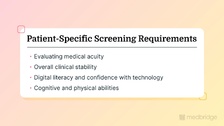
This chapter introduces the foundational purpose of medical screening in telehealth: identifying patients who require physician referral for underlying pathology and determining whether remote, in-person, or hybrid care is most appropriate. Clinicians will learn to evaluate patient-specific, environmental, and technology-related factors—including medical acuity, digital and health literacy, cognition, home safety, and device compatibility—to ensure telehealth is both safe and clinically appropriate.
2. Advanced Medical Screening in Digital Care
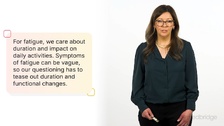
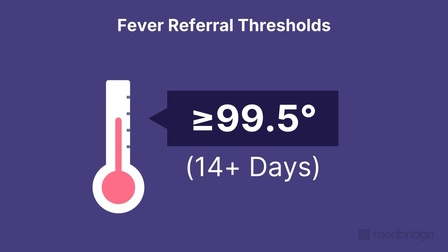
Building on foundational screening principles, this chapter details how to recognize red flags and systemic warning signs—such as constitutional symptoms, night pain, and prolonged stiffness—that may indicate serious underlying pathology. Clinicians will apply validated clinical decision rules, including the Ottawa Ankle Rules, Ottawa Knee Rule, and Canadian C-Spine Rule, alongside structured remote assessment techniques for the pulmonary, cardiac, gastrointestinal, endocrine, neurological, psychological, and musculoskeletal systems.
3. Emergency Response in Remote Care
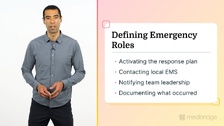
This chapter provides a comprehensive framework for preparing for and responding to medical, behavioral, and safety emergencies that arise during telehealth encounters. Learners will identify criteria for activating an emergency response plan, clarify team roles and responsibilities, and apply structured documentation and follow-up procedures to strengthen emergency preparedness in remote practice.
More courses in this series
Advanced Medical Screening and Safety in Telehealth
Anna DeLaRosby, Julie Mulcahy, and Todd Norwood
Ethics in Digital Care for Rehabilitation
Anna DeLaRosby, Julie Mulcahy, and Todd Norwood
Equitable Access in Remote Care: Disability and Language Support
Anna DeLaRosby, Julie Mulcahy, and Todd Norwood
Frequently asked questions
Everything you need to know about Medbridge courses.
Who creates Medbridge courses?
We work with industry-leaders, top researchers, and consultants to build content roadmaps that are then structured into courses, filmed, and edited by our production team before being launched to our site.
How often does Medbridge release new courses?
New courses are added monthly and are automatically included in your subscription as they launch.
How often does Medbridge update courses?
Medbridge reviews its courses annually for relevance and to assess if content is up to date. Based on these reviews it may be determined that a course is out of date resulting in the course being re-filmed or retired, if the content is no longer needed (e.g. a replacement course already exists, the concepts are no longer best practice, etc.).
How many courses does Medbridge offer?
We have over 3,000 accredited courses and we are continually updating our library with new courses. Check our course library for the most up-to-date count for your discipline.
Are there any additional fees for taking a Medbridge course?
There are no additional fees for taking a Medbridge course, obtaining a course certificate of completion, earning CEUs as a subscriber, or accessing any of the additional tools your subscription may include.
Is there a limit to the number of courses I can take?
There is no limit to the number of courses you can take as a subscriber! As a subscriber to Medbridge, you have unlimited access to over 3,000+ accredited CE courses.
If you are a Premium subscriber, you also have unlimited access to our Patient Engagement Tools such as the Home Exercise Program, Patient Education Library, Orthopedic Exam Tests, and Manual Therapy Techniques. We have over 7,000 exercises and over 650+ videos and handouts of patient education resources with more exercises and patient education added to the library based on subscriber feedback, volume of request and specialities.
What is your refund policy?
You are eligible for a refund provided your request is received within 30 days of your subscription purchase and your account has no activity.