
Functional Neurologic Disorders: Intervention and
Education (Recorded Webinar)
Presented by Mike Studer and Shannon Possardt

This course is a recording of a previously hosted live webinar event. Polling and question submission features are not available for this recording. Format and structure may differ from those of standard Medbridge courses.
In part 2 of this 2-part course on functional neurologic disorders (FNDs), Drs. Shannon Possardt and Mike Studer reveal and apply the science behind this umbrella of conditions. Upon completion of this course, attendees should expect to feel confident in establishing a plan of care, delivering interventions, providing education, monitoring progress, and making changes as needed for all persons with FNDs. Presentations (subtypes of FNDs) covered will include: movement disorders (tremors, jerks, tics, gait), persistent dizziness (PPPD), sport presentations (yips, twisties), cognitive disorders, and functional seizures. If you haven’t already, start with part 1, Functional Neurologic Disorders: Evaluation and Recognition, to build a strong foundation in the science, identification, and examination of FNDs.
Learning Outcomes
- Construct an individualized treatment plan for patients with FND based on clinical assessment findings
- Integrate evidence-based therapies that target brain network dysfunction (i.e., predictive processing, attention, self-agency, and emotional processing)
- Construct a treatment program for patients with FNDs that prioritizes person-specific variables, including beliefs, personality, and resources
- Analyze patient response to care in persons with FNDs, using both condition-specific and person-specific information to modify task construction, education, intensity, and multidisciplinary involvement
- Construct a plan of care that is individualized to the improved functional independence, safety, and efficiency of an individual’s activities of daily living and/or occupational performance
Meet your instructors
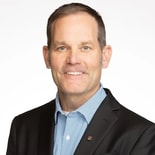
Mike Studer
Mike Studer, PT, DPT, MHS, NCS, CEEAA, CWT, CSST, CBFP, CSRP, FAPTA has been a PT since 1991, a board certified in neurologic PT in 1995, and a private practice owner since 2005. Dr. Studer has been an invited speaker covering all 50 states, 14 countries, and 5 continents speaking on topics ranging from cognition and…
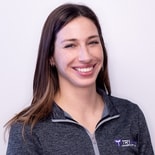
Shannon Possardt
Shannon Possardt, an Illinois native, is a physical therapist with a strong focus on neurorehabilitation. After earning her Doctor of Physical Therapy (DPT) from Emory University, she completed a neurologic residency at the University of Washington and EvergreenHealth. Her interest in Functional Neurological Disorder (FND)…
Chapters & learning objectives
1. An Introduction to Intervention
In this chapter, we will introduce the principles of psychologically informed practice and the interdisciplinary role of PT for treating FNDs.
2. Functional Movement Disorders
In this chapter, we will cover the science behind interventions for movement disorders, including dyskinetic disorders, tremors, tics, jerks, weakness, and paralytic presentations.
3. Functional Myoclonus and Gait Disorders
In this chapter, we will cover the science behind interventions for functional gait disorders, including dyskinesia-like disorders, paralytic disorders, and weakness.
4. Drop Attacks and Functional Seizures
In this chapter, we will cover the science behind interventions for drop attacks and functional seizures, including trigger management, education, and exposure-based approaches.
5. Functional Cognitive Disorders and PPPD
In this chapter, we will cover the science behind interventions for functional sensory impairments that are functional in nature, including the concerns of cognitive impairment and persistent dizziness.
6. Functional Disorders in Sport: Yips, Twisties, and More
In this chapter, we will cover the science behind interventions for sport-based presentations of FND.
7. Conclusion
In this chapter, we will review a brief summary of all the topics that were covered throughout this course.
8. Question and Answer Session
In this chapter, Mike Studer and Shannon Possardt answer viewer-submitted questions from the question and answer portion of the webinar.


Frequently asked questions
Everything you need to know about Medbridge courses.
Who creates Medbridge courses?
We work with industry-leaders, top researchers, and consultants to build content roadmaps that are then structured into courses, filmed, and edited by our production team before being launched to our site.
How often does Medbridge release new courses?
New courses are added monthly and are automatically included in your subscription as they launch.
How often does Medbridge update courses?
Medbridge reviews its courses annually for relevance and to assess if content is up to date. Based on these reviews it may be determined that a course is out of date resulting in the course being re-filmed or retired, if the content is no longer needed (e.g. a replacement course already exists, the concepts are no longer best practice, etc.).
How many courses does Medbridge offer?
We have over 3,000 accredited courses and we are continually updating our library with new courses. Check our course library for the most up-to-date count for your discipline.
Are there any additional fees for taking a Medbridge course?
There are no additional fees for taking a Medbridge course, obtaining a course certificate of completion, earning CEUs as a subscriber, or accessing any of the additional tools your subscription may include.
Is there a limit to the number of courses I can take?
There is no limit to the number of courses you can take as a subscriber! As a subscriber to Medbridge, you have unlimited access to over 3,000+ accredited CE courses.
If you are a Premium subscriber, you also have unlimited access to our Patient Engagement Tools such as the Home Exercise Program, Patient Education Library, Orthopedic Exam Tests, and Manual Therapy Techniques. We have over 7,000 exercises and over 650+ videos and handouts of patient education resources with more exercises and patient education added to the library based on subscriber feedback, volume of request and specialities.
What is your refund policy?
You are eligible for a refund provided your request is received within 30 days of your subscription purchase and your account has no activity.