
Functional Neurological Disorders: Examination, Diagnosis, and Education
Presented by Julie Hershberg and Mike Studer
Financial: Julie Hershberg receives compensation from MedBridge for this course. There is no financial interest beyond the production of this course.
Nonfinancial: Mike Studer has no competing nonfinancial interests or relationships with regarding the content presented in this course.
Nonfinancial: Julie Hershberg has no competing nonfinancial interests or relationships with regarding the content presented in this course.
This course will help clinicians organize their evidence-based approach to persons with functional neurological disorders (FNDs). Clinicians will be empowered to rule in FND, use objective measures to build a plan of care, and develop a foundation for patient education regarding confirming a diagnosis, treatment, trigger management, and postdischarge wellness.
Meet your instructors

Julie Hershberg
Julie Hershberg is a passionate neurologic physical therapist, educator, mentor, learner, and forever neuro nerd. She owns and practices at [Re+Active] Physical Therapy & Wellness, a state-of-the-art outpatient neurologic physical therapy and wellness practice in Los Angeles. It is there that she has the privilege to lead a…
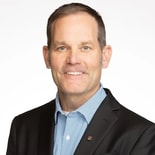
Mike Studer
Mike Studer, PT, DPT, MHS, NCS, CEEAA, CWT, CSST, CBFP, CSRP, FAPTA has been a PT since 1991, a board certified in neurologic PT in 1995, and a private practice owner since 2005. Dr. Studer has been an invited speaker covering all 50 states, 14 countries, and 5 continents speaking on topics ranging from cognition and…
Chapters & learning objectives

1. Defining FND: History, Preferred Terms, Scope of Diagnosis, and Prevalence
In this chapter, we will review the history, prevalence, and etiology of functional neurological disorders (FNDs), reviewing the past nomenclature and present understanding of these conditions. Additionally, we will define the umbrella FND and the conditions that are within this category, including functional movement disorders (FMD), nonepileptiform seizures, drop attacks, functional cognitive disorders, and more.

2. Common Presentations, Physiology and Triggers
In this chapter, we will identify the most common presentations across the FNDs and establish the underlying physiology of FNDs, both in the brain and the mind. Additionally, this chapter will begin to provide our first glimpse at the most common triggers for these conditions.

3. Differential Diagnosis and Neuro Examination
In this chapter, we will both review and demonstrate critical features of the movement examination, affording the most accurate differential diagnosis to rule in FND. In addition, we will both demonstrate and review the purpose and methodology in functional testing for persons with FND.

4. The Patient Interview as an Intervention
In this chapter, attendees will learn how to listen skillfully for the pearls of wisdom that patients will provide, including person-specific knowledge bases, vocational and avocational interests, and triggers. These facts will help us to personalize our interventions but will also provide routes to strengthen the patient-therapist relationship and improve patient engagement, receptivity, and trust.

5. Starting With and Intervening With the Right Outcome Measures
In this chapter, we discuss how to leverage objective measures as a tool for patient engagement and enhanced expectancies. Helping people see that they can improve, that they are measurably better than they had been, is much stronger than our words of cheerleading. As we conduct objective measures with knowledge that we will be conducting them again to demonstrate progress, let us accept the reminder that it can be a challenge to decide which tests to run in an effort to avoid both a ceiling effect early in the plan of care and a floor effect later. Finally, we will review the hitchhiker analogy, which works very well for some recovering from stroke, many of whom have degenerative conditions. Meeting patients along their journey into recovery must include a respect for their preferred speed to travel, historic landmarks, and timing (with coordination regarding vision).
More courses in this series

Functional Neurological Disorders: Examination, Diagnosis, and Education
Julie Hershberg and Mike Studer

Functional Neurological Disorders: Evidence and Applications in Treatment
Julie Hershberg and Mike Studer

The Chronic “Invisible” Conditions and FND: PPPD, PPCS, and Chronic Pain
Julie Hershberg and Mike Studer
Frequently asked questions
Everything you need to know about Medbridge courses.
Who creates Medbridge courses?
We work with industry-leaders, top researchers, and consultants to build content roadmaps that are then structured into courses, filmed, and edited by our production team before being launched to our site.
How often does Medbridge release new courses?
New courses are added monthly and are automatically included in your subscription as they launch.
How often does Medbridge update courses?
Medbridge reviews its courses annually for relevance and to assess if content is up to date. Based on these reviews it may be determined that a course is out of date resulting in the course being re-filmed or retired, if the content is no longer needed (e.g. a replacement course already exists, the concepts are no longer best practice, etc.).
How many courses does Medbridge offer?
We have over 3,000 accredited courses and we are continually updating our library with new courses. Check our course library for the most up-to-date count for your discipline.
Are there any additional fees for taking a Medbridge course?
There are no additional fees for taking a Medbridge course, obtaining a course certificate of completion, earning CEUs as a subscriber, or accessing any of the additional tools your subscription may include.
Is there a limit to the number of courses I can take?
There is no limit to the number of courses you can take as a subscriber! As a subscriber to Medbridge, you have unlimited access to over 3,000+ accredited CE courses.
If you are a Premium subscriber, you also have unlimited access to our Patient Engagement Tools such as the Home Exercise Program, Patient Education Library, Orthopedic Exam Tests, and Manual Therapy Techniques. We have over 7,000 exercises and over 650+ videos and handouts of patient education resources with more exercises and patient education added to the library based on subscriber feedback, volume of request and specialities.
What is your refund policy?
You are eligible for a refund provided your request is received within 30 days of your subscription purchase and your account has no activity.