
Overview of Dementia: Alzheimer's, Vascular, Lewy Body, Frontotemporal
Presented by Teepa Snow
Non-Financial: Teepa Snow has no competing non-financial interests or relationships with regard to the content presented in this course.
This introductory course provides clinicians, care providers, care supporters, and others interested in these conditions with essential and important information. This course will help in understanding dementia, common symptoms, and highlight some of the various categories of this complex condition. This course is very helpful to everyone who is trying to determine whether what they are noticing is just normal aging or something more. The first step in providing better support and care comes with appreciating what is happening for the person in your care. This course provides basic information and awareness to help begin this process.
Meet your instructor

Teepa Snow
Teepa Snow is an advocate for those living with dementia. She has made it her personal mission to help families and professionals better understand how it feels to be living with such challenges and seeks to change and improve life for everyone involved. Her practice has included everything from neuro intensive care units in…
Chapters & learning objectives

1. Is What You Are Seeing Normal or Not?
This chapter will describe key differences between dementia and normal aging changes in thinking, memory, language, impulse control, mobility, sensation, vision, personality, and behavior.

2. Not Normal Doesn’t Mean Dementia, it Could be Something Else
This chapter will compare symptoms of depression and anxiety to dementia, as well as, the differences between symptoms of delirium and dementia. This course will also discuss the relationship between delirium, anxiety, depression, and dementia for people living with dementia.

3. Dementia is More Than Alzheimer’s, Let’s Explore
This chapter will define dementia as well as describe the relationships among different dementias and Alzheimer's disease. This course will also go over Alzheimer’s, Vascular dementia, Lewy Body dementia, and frontotemporal dementias, and compare initial symptoms and typical progression patterns. Finally, the chapter will cover the typical loss of function on select symptoms and abilities and Alzheimer’s disease by giving examples and role-playing each lost/preserved ability.

4. Dementia is Hard Work, Learn to Take Care of Yourself
This chapter will cover why it is important for caregivers to practice self-care & stress management. It will also summarize the value of early recognition and symptom identification when supporting and caring for someone living with one or more of these conditions.
More courses in this series
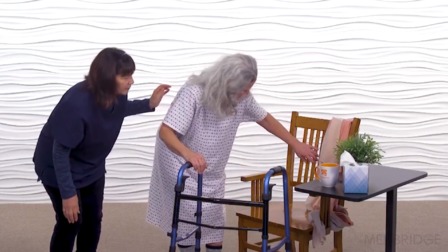
Overview of Dementia: Alzheimer's, Vascular, Lewy Body, Frontotemporal
Teepa Snow

Dementia Care: Understanding Common Symptoms for Better Care
Teepa Snow

Dementia Care: Reducing the Risk of Challenging Situations
Teepa Snow

Dementia Care: Coping with Challenging Situations in Support & Care
Teepa Snow

Dementia Care: Using the GEMS States Model for Personal Care Tasks
Teepa Snow

Dementia Care: Communicating When Someone Has Dementia
Teepa Snow

Dementia Care: Offering Engagement for People Living With Dementia
Teepa Snow

Dementia Care: Helping as Abilities are Failing and Life is Ending
Teepa Snow
Frequently asked questions
Everything you need to know about Medbridge courses.
Who creates Medbridge courses?
We work with industry-leaders, top researchers, and consultants to build content roadmaps that are then structured into courses, filmed, and edited by our production team before being launched to our site.
How often does Medbridge release new courses?
New courses are added monthly and are automatically included in your subscription as they launch.
How often does Medbridge update courses?
Medbridge reviews its courses annually for relevance and to assess if content is up to date. Based on these reviews it may be determined that a course is out of date resulting in the course being re-filmed or retired, if the content is no longer needed (e.g. a replacement course already exists, the concepts are no longer best practice, etc.).
How many courses does Medbridge offer?
We have over 3,000 accredited courses and we are continually updating our library with new courses. Check our course library for the most up-to-date count for your discipline.
Are there any additional fees for taking a Medbridge course?
There are no additional fees for taking a Medbridge course, obtaining a course certificate of completion, earning CEUs as a subscriber, or accessing any of the additional tools your subscription may include.
Is there a limit to the number of courses I can take?
There is no limit to the number of courses you can take as a subscriber! As a subscriber to Medbridge, you have unlimited access to over 3,000+ accredited CE courses.
If you are a Premium subscriber, you also have unlimited access to our Patient Engagement Tools such as the Home Exercise Program, Patient Education Library, Orthopedic Exam Tests, and Manual Therapy Techniques. We have over 7,000 exercises and over 650+ videos and handouts of patient education resources with more exercises and patient education added to the library based on subscriber feedback, volume of request and specialities.
What is your refund policy?
You are eligible for a refund provided your request is received within 30 days of your subscription purchase and your account has no activity.