
Professional Communication: Constructive Conflict With Coworkers
Presented by Joy Goldsmith and Elaine Wittenberg
This series guides healthcare providers and professionals in home health, hospice, and palliative care, as well as those working with chronic and complex illnesses, to communicate more effectively with team members and coworkers. The modules in this series provide communication and trust-building skills within the healthcare setting, helping fill practice gaps that are common causes of burnout, absenteeism, and moral distress.
Learning Objectives
- Identify elements of conflict
- Outline SSAAFE Zone elements of constructive conflict in communication
Meet your instructors

Joy Goldsmith
Joy Goldsmith, PhD, conducts research about health communication science in the context of healthcare provider training and serious and chronic illness. CommunicateComfort.com, a longtime initiative of Dr. Goldsmith, offers a range of research interventions and education/training curricula for healthcare providers. Storyboard…

Elaine Wittenberg
Elaine Wittenberg holds a PhD in communication from the University of Oklahoma and has authored more than 150 peer-reviewed articles on hospice and palliative care communication. She is coauthor of seven books pertaining to palliative care, family communication, and nursing, three of which have been awarded Book of the Year…
Chapters & learning objectives
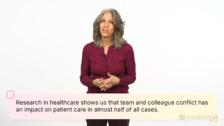
1. Constructive Conflict With Colleagues
This module includes a pathway to navigate conflict and achieve productive results and improved relationships in the work environment. Recognizing the elements of conflict and its common presence in the work context requires self-awareness and attention. The SSAAFE Zone includes communication practices that support constructive conflict outcomes, which impact the healthcare professionals, the work environment, and, most importantly, patient outcomes.
More courses in this series
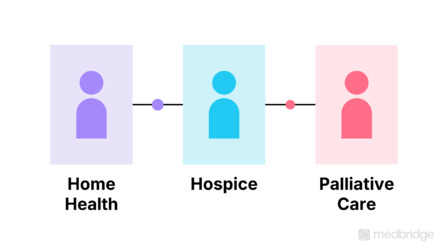
Professional Communication: Constructive Conflict With Coworkers
Joy Goldsmith and Elaine Wittenberg

Professional Communication: Ethical Communication and a Culture of Safety
Joy Goldsmith and Elaine Wittenberg

Professional Communication: Strategies for Working With Difficult Coworkers
Joy Goldsmith and Elaine Wittenberg
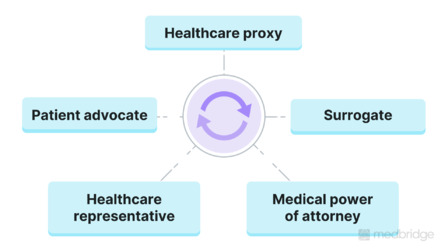
Caregiver Communication: Orienting Family to Dementia Caregiving
Joy Goldsmith and Elaine Wittenberg
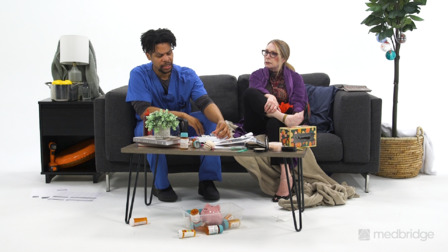
Caregiver Communication: Talking About Dementia With Patients and Families
Joy Goldsmith and Elaine Wittenberg
Caregiver Communication: Starting the Conversation About Hospice and Dementia
Joy Goldsmith and Elaine Wittenberg
Frequently asked questions
Everything you need to know about Medbridge courses.
Who creates Medbridge courses?
We work with industry-leaders, top researchers, and consultants to build content roadmaps that are then structured into courses, filmed, and edited by our production team before being launched to our site.
How often does Medbridge release new courses?
New courses are added monthly and are automatically included in your subscription as they launch.
How often does Medbridge update courses?
Medbridge reviews its courses annually for relevance and to assess if content is up to date. Based on these reviews it may be determined that a course is out of date resulting in the course being re-filmed or retired, if the content is no longer needed (e.g. a replacement course already exists, the concepts are no longer best practice, etc.).
How many courses does Medbridge offer?
We have over 3,000 accredited courses and we are continually updating our library with new courses. Check our course library for the most up-to-date count for your discipline.
Are there any additional fees for taking a Medbridge course?
There are no additional fees for taking a Medbridge course, obtaining a course certificate of completion, earning CEUs as a subscriber, or accessing any of the additional tools your subscription may include.
Is there a limit to the number of courses I can take?
There is no limit to the number of courses you can take as a subscriber! As a subscriber to Medbridge, you have unlimited access to over 3,000+ accredited CE courses.
If you are a Premium subscriber, you also have unlimited access to our Patient Engagement Tools such as the Home Exercise Program, Patient Education Library, Orthopedic Exam Tests, and Manual Therapy Techniques. We have over 7,000 exercises and over 650+ videos and handouts of patient education resources with more exercises and patient education added to the library based on subscriber feedback, volume of request and specialities.
What is your refund policy?
You are eligible for a refund provided your request is received within 30 days of your subscription purchase and your account has no activity.