
Rehabilitation for Female Reproductive Cancers: Part 1
Presented by Erica Holland
This course provides a comprehensive review of the essential roles rehabilitation professionals play in the management of female reproductive cancers across the continuum of care. Practitioners will explore the critical distinctions between common pelvic symptoms and the clinical “red flags” associated with gynecologic malignancies and metastasis. Through a detailed analysis of tumor staging, medical interventions, and surgical procedures—including hysterectomies and lymphadenectomies—learners will gain the clinical reasoning skills necessary to adapt therapeutic goals to the patient’s specific treatment phase. Special emphasis is placed on understanding the biopsychosocial implications of antiestrogen therapies and the systemic side effects of chemotherapy and radiation. By integrating evidence-based screening tools and survivorship priorities, rehabilitation providers can better advocate for patient safety and optimize functional outcomes as part of a multidisciplinary oncology team.
Learning Outcomes
- Deconstruct the therapy role in surveillance, treatment, survivorship, and palliative phases of cancer therapies
- Distinguish common pelvic pain characteristics and response to rehabilitation treatment from signs and symptoms of female reproductive cancer and metastasis
- Correlate medical interventions for cancer therapy to patient-centered rehabilitation goals that support engagement and participation in meaningful occupations
- Examine the biopsychosocial impacts of medical cancer management to identify secondary barriers to a patient’s functional recovery
- Determine rehabilitation priorities by correlating the symptoms of antiestrogen medical management with a patient’s cognitive and pelvic signs
- Determine rehabilitation interventions by survivorship phase
Meet your instructor

Erica Holland
Dr. Erica Holland is a pelvic health physical therapist with advanced specialty training in pelvic neurology, abdominopelvic oncology, and pelvic impairments of all genders. She earned a master’s degree from the University of Evansville and a doctorate from Virginia Commonwealth University. Erica is board certified in women’s…
Chapters & learning objectives

1. Therapy Role by Cancer Stage
Learners will define the evolving responsibilities of the therapist during the surveillance, active treatment, survivorship, and palliative phases of cancer care. This section emphasizes the importance of differential diagnosis and screening to ensure timely medical referrals and preserve patient quality of life.

2. Types of Female Reproductive Cancers and Their Staging
This chapter details the pathology, risk factors, and clinical presentations of endometrial, ovarian, cervical, and vulvovaginal cancers. Participants will learn to identify specific signs and symptoms, such as postmenopausal bleeding and persistent bloating, that necessitate immediate oncology consultation.

3. Metastatic Cancers To and From the Female Reproductive Tract
This section covers the mechanisms of cancer spread, including the FIGO and TNM classification systems for tumor staging. Providers will examine common sites of regional and distant metastasis to better monitor for new or worsening musculoskeletal and constitutional symptoms in their patients.
4. Medical Treatment and Patient Implications
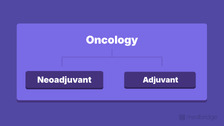
Practitioners will review the primary pillars of medical management, including surgical excision, radiation therapy, and systemic chemotherapies. The discussion focuses on the short- and long-term side effects of these interventions, such as lymphedema, vaginal stenosis, and neuropathy, to inform rehabilitation priority setting.




Frequently asked questions
Everything you need to know about Medbridge courses.
Who creates Medbridge courses?
We work with industry-leaders, top researchers, and consultants to build content roadmaps that are then structured into courses, filmed, and edited by our production team before being launched to our site.
How often does Medbridge release new courses?
New courses are added monthly and are automatically included in your subscription as they launch.
How often does Medbridge update courses?
Medbridge reviews its courses annually for relevance and to assess if content is up to date. Based on these reviews it may be determined that a course is out of date resulting in the course being re-filmed or retired, if the content is no longer needed (e.g. a replacement course already exists, the concepts are no longer best practice, etc.).
How many courses does Medbridge offer?
We have over 3,000 accredited courses and we are continually updating our library with new courses. Check our course library for the most up-to-date count for your discipline.
Are there any additional fees for taking a Medbridge course?
There are no additional fees for taking a Medbridge course, obtaining a course certificate of completion, earning CEUs as a subscriber, or accessing any of the additional tools your subscription may include.
Is there a limit to the number of courses I can take?
There is no limit to the number of courses you can take as a subscriber! As a subscriber to Medbridge, you have unlimited access to over 3,000+ accredited CE courses.
If you are a Premium subscriber, you also have unlimited access to our Patient Engagement Tools such as the Home Exercise Program, Patient Education Library, Orthopedic Exam Tests, and Manual Therapy Techniques. We have over 7,000 exercises and over 650+ videos and handouts of patient education resources with more exercises and patient education added to the library based on subscriber feedback, volume of request and specialities.
What is your refund policy?
You are eligible for a refund provided your request is received within 30 days of your subscription purchase and your account has no activity.