
Rehabilitation for Female Reproductive Cancers: Part 2
Presented by Erica Holland
This course provides a comprehensive exploration of the rehabilitation specialist’s role in managing the complex side effects of female reproductive cancer treatments. Practitioners will gain deep insights into the physiological and biopsychosocial impacts of antiestrogen therapies, including the management of surgical and chemical menopause. The curriculum bridges the gap between oncology medical interventions and patient-centered rehabilitation, offering specific evidence-based strategies for the acute, subacute, and survivorship phases. By distinguishing between common pelvic and oncologic symptoms, clinicians will learn to prioritize interventions that address bone health, neurocognitive changes, and pelvic floor dysfunction. This advanced training equips therapists to improve quality of life for survivors through skilled exercise prescription, lymphedema monitoring, and sexual health rehabilitation.
Learning Outcomes
- Determine rehabilitation priorities by correlating the symptoms of antiestrogen medical management with a patient’s cognitive and pelvic signs
- Determine rehabilitation interventions by survivorship phase
- Determine rehabilitation interventions for improved sexual function and medical surveillance
Meet your instructor

Erica Holland
Dr. Erica Holland is a pelvic health physical therapist with advanced specialty training in pelvic neurology, abdominopelvic oncology, and pelvic impairments of all genders. She earned a master’s degree from the University of Evansville and a doctorate from Virginia Commonwealth University. Erica is board certified in women’s…
Chapters & learning objectives
1. Implications of Antiestrogen Therapies
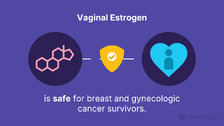
This chapter examines the systemic effects of hormone-suppressing treatments and their profound impact on musculoskeletal and neurocognitive health. Clinicians will learn to identify the unique presentations of medically induced menopause and how these changes dictate rehabilitation priorities for the oncology patient.
2. Rehabilitation Interventions: Acute
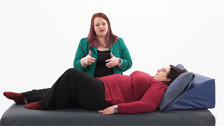
Focused on the first three months of medical intervention, this chapter outlines essential safety precautions and early mobilization strategies to prevent postoperative complications. It emphasizes the implementation of compression, diaphragmatic breathing, and individualized exercise to manage acute edema and improve functional recovery.

3. Rehabilitation Interventions: Subacute and Survivorship
This section details long-term recovery strategies, including pelvic floor restoration, fatigue management, and the use of vaginal insertables for tissue quality. Practitioners will explore multidisciplinary approaches to sexual health informed by clinical practice guidelines.



Frequently asked questions
Everything you need to know about Medbridge courses.
Who creates Medbridge courses?
We work with industry-leaders, top researchers, and consultants to build content roadmaps that are then structured into courses, filmed, and edited by our production team before being launched to our site.
How often does Medbridge release new courses?
New courses are added monthly and are automatically included in your subscription as they launch.
How often does Medbridge update courses?
Medbridge reviews its courses annually for relevance and to assess if content is up to date. Based on these reviews it may be determined that a course is out of date resulting in the course being re-filmed or retired, if the content is no longer needed (e.g. a replacement course already exists, the concepts are no longer best practice, etc.).
How many courses does Medbridge offer?
We have over 3,000 accredited courses and we are continually updating our library with new courses. Check our course library for the most up-to-date count for your discipline.
Are there any additional fees for taking a Medbridge course?
There are no additional fees for taking a Medbridge course, obtaining a course certificate of completion, earning CEUs as a subscriber, or accessing any of the additional tools your subscription may include.
Is there a limit to the number of courses I can take?
There is no limit to the number of courses you can take as a subscriber! As a subscriber to Medbridge, you have unlimited access to over 3,000+ accredited CE courses.
If you are a Premium subscriber, you also have unlimited access to our Patient Engagement Tools such as the Home Exercise Program, Patient Education Library, Orthopedic Exam Tests, and Manual Therapy Techniques. We have over 7,000 exercises and over 650+ videos and handouts of patient education resources with more exercises and patient education added to the library based on subscriber feedback, volume of request and specialities.
What is your refund policy?
You are eligible for a refund provided your request is received within 30 days of your subscription purchase and your account has no activity.