
Anterior Knee Pain: Assessment and Management Approaches
Presented by Dan Rhon
Anterior knee pain is one of the most common musculoskeletal knee complaints among active individuals and often results from overuse conditions such as patellofemoral joint dysfunction and patellar tendinopathy. This course provides clinicians with a comprehensive framework for understanding the anatomical, biomechanical, and psychological factors contributing to anterior knee pain. It offers guidance on assessment and evidence-informed management strategies. Using current clinical practice guidelines and impairment-based classification systems, this course equips physical therapists and rehabilitation professionals with the tools to individualize treatment plans and improve patient outcomes across a variety of settings, including orthopedic, sports medicine, and primary care environments.
Learning Outcomes
- Analyze the two most common overuse pathologies associated with anterior knee pain
- Categorize the key components of the subjective examination for patellofemoral and peripatellar structures
- Determine the essential elements of a comprehensive knee examination and the related differential diagnoses
- Examine the evidence supporting exercise therapy for anterior knee pain disorders
Meet your instructor

Dan Rhon
Dr. Dan Rhon is a clinician, active researcher, and assistant professor at Baylor University in Texas. He received an MPT and DSc through Baylor University and then a DPT through Temple University. He attended a manual therapy clinical fellowship at Brooke Army Medical Center in Texas, is a fellow in the American Academy of…
Chapters & learning objectives

1. Basic Anatomy and Biomechanics of the Patellofemoral Joint
This chapter outlines the anatomical structures and biomechanical principles that underlie patellofemoral joint function. Learners will explore how patellar movement, joint congruency, and load transmission contribute to stability and how these factors can become sources of dysfunction and pain.

2. Epidemiology and Etiology of Anterior Knee Pain
Clinicians will review the incidence and risk factors for patellofemoral joint pain and patellar tendinopathy, two of the most common anterior knee pain conditions. This chapter also discusses overuse mechanisms, training errors, and psychosocial contributors, helping to guide patient profiling and risk stratification.

3. Subjective Evaluation
This chapter focuses on gathering a detailed patient history, identifying symptom behavior, and understanding the impact of activity and training load. The use of validated outcome measures is also introduced as a foundation for tracking treatment progress and tailoring interventions.
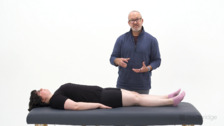
4. Objective Evaluation and Physical Examination
Learners will gain practical skills in physical assessment, including provocative testing and impairment classification. The chapter emphasizes symptom reproduction, functional movement screening, and the identification of deficits in strength, coordination, and mobility to support a targeted clinical approach.

5. Overview of Best Evidence for Nonsurgical Management
This chapter presents an impairment-based treatment framework rooted in the APTA clinical practice guideline for management of patellofemoral joint pain. Clinicians will learn how to apply strengthening, neuromuscular training, load management, and other nonoperative strategies to address specific impairments and improve tolerance to activity.
More courses in this series

Meniscus Injuries: Evaluation and Treatment Strategies
Dan Rhon

Lateral Knee Pain: Differential Diagnosis and Management
Dan Rhon
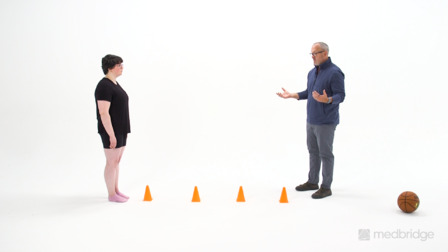
Muscle Impairments in Knee Disorders: Assessment and Care
Dan Rhon
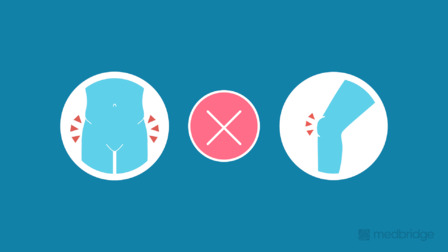
Anterior Knee Pain: Assessment and Management Approaches
Dan Rhon
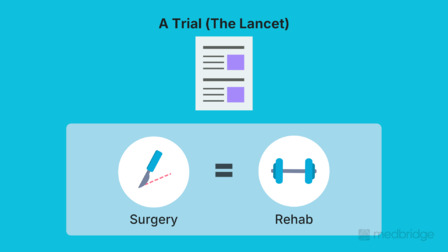
Knee Ligament Injuries: Evaluation and Rehabilitation
Dan Rhon
Frequently asked questions
Everything you need to know about Medbridge courses.
Who creates Medbridge courses?
We work with industry-leaders, top researchers, and consultants to build content roadmaps that are then structured into courses, filmed, and edited by our production team before being launched to our site.
How often does Medbridge release new courses?
New courses are added monthly and are automatically included in your subscription as they launch.
How often does Medbridge update courses?
Medbridge reviews its courses annually for relevance and to assess if content is up to date. Based on these reviews it may be determined that a course is out of date resulting in the course being re-filmed or retired, if the content is no longer needed (e.g. a replacement course already exists, the concepts are no longer best practice, etc.).
How many courses does Medbridge offer?
We have over 3,000 accredited courses and we are continually updating our library with new courses. Check our course library for the most up-to-date count for your discipline.
Are there any additional fees for taking a Medbridge course?
There are no additional fees for taking a Medbridge course, obtaining a course certificate of completion, earning CEUs as a subscriber, or accessing any of the additional tools your subscription may include.
Is there a limit to the number of courses I can take?
There is no limit to the number of courses you can take as a subscriber! As a subscriber to Medbridge, you have unlimited access to over 3,000+ accredited CE courses.
If you are a Premium subscriber, you also have unlimited access to our Patient Engagement Tools such as the Home Exercise Program, Patient Education Library, Orthopedic Exam Tests, and Manual Therapy Techniques. We have over 7,000 exercises and over 650+ videos and handouts of patient education resources with more exercises and patient education added to the library based on subscriber feedback, volume of request and specialities.
What is your refund policy?
You are eligible for a refund provided your request is received within 30 days of your subscription purchase and your account has no activity.