
Knee Ligament Injuries: Evaluation and Rehabilitation
Presented by Dan Rhon
Knee ligament injuries are among the most common and impactful musculoskeletal conditions, particularly in athletic populations. This course explores the anatomy, biomechanics, and mechanisms behind injuries to the anterior cruciate ligament (ACL), posterior cruciate ligament (PCL), and collateral ligaments. Clinicians will learn to conduct a comprehensive subjective and objective evaluation, apply appropriate special tests, and determine the best course of treatment—whether surgical or conservative. Current evidence on rehabilitation strategies, including emerging approaches such as neurocognitive training and load management, is also reviewed. This course is designed for physical therapists, athletic trainers, and other rehabilitation professionals managing acute or chronic knee ligament injuries in sports medicine and orthopedic settings.
Learning Outcomes
- Analyze the roles of the cruciate and collateral ligaments in contributing to knee function and stability
- Categorize the key components of the subjective and objective examination, including relevant differential diagnoses
- Distinguish the most common patterns of knee ligament injury
- Examine best-evidence-based treatment and rehabilitation strategies for knee ligament injuries
Meet your instructor

Dan Rhon
Dr. Dan Rhon is a clinician, active researcher, and assistant professor at Baylor University in Texas. He received an MPT and DSc through Baylor University and then a DPT through Temple University. He attended a manual therapy clinical fellowship at Brooke Army Medical Center in Texas, is a fellow in the American Academy of…
Chapters & learning objectives

1. Basic Anatomy and Biomechanics of the Major Knee Ligaments
This chapter introduces the structural roles of the ACL, PCL, MCL, and LCL, describing how each contributes to joint stability. An understanding of how these ligaments respond to movement and load is essential for recognizing injury patterns and guiding treatment strategies.

2. Epidemiology and Etiology of Knee Ligament Injuries
This chapter discusses the frequency and causes of knee ligament injuries, highlighting the high incidence of ACL tears and the differences in mechanisms of injury across ligament types. Clinicians will explore how factors such as activity type, gender, and biomechanics contribute to injury risk.

3. Subjective Evaluation
Clinicians will learn how to gather a focused patient history that captures the mechanism of injury, symptom onset, and functional limitations. This information lays the groundwork for identifying potential ligament involvement and directing the physical exam.
4. Objective Evaluation
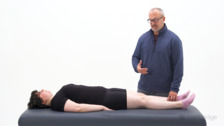
This chapter covers the physical examination techniques used to assess ligament integrity, including the Lachman, joint line tenderness, drawer, and varus/valgus stress tests. The chapter emphasizes interpreting findings in clinical context and addresses imaging considerations using evidence-based guidelines.

5. Overview of Best Evidence for Nonsurgical Management
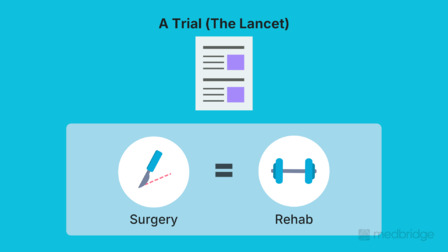
Learners will examine the current research comparing surgical versus conservative treatment for ligament injuries, with particular attention to ACL and MCL management. The chapter highlights the potential for ligament healing without surgery and the critical role of strength, motor control, and patient education in rehabilitation.

6. Current Concepts for Optimal Rehabilitation After Surgical Repair of Knee Ligaments
This chapter explores the gaps in current postoperative rehab protocols and the importance of objective strength testing, particularly of the quadriceps. It also introduces neurocognitive rehabilitation as an emerging strategy to improve return-to-sport outcomes after ligament reconstruction.
More courses in this series

Meniscus Injuries: Evaluation and Treatment Strategies
Dan Rhon
Lateral Knee Pain: Differential Diagnosis and Management
Dan Rhon
Muscle Impairments in Knee Disorders: Assessment and Care
Dan Rhon
Anterior Knee Pain: Assessment and Management Approaches
Dan Rhon
Knee Ligament Injuries: Evaluation and Rehabilitation
Dan Rhon
Frequently asked questions
Everything you need to know about Medbridge courses.
Who creates Medbridge courses?
We work with industry-leaders, top researchers, and consultants to build content roadmaps that are then structured into courses, filmed, and edited by our production team before being launched to our site.
How often does Medbridge release new courses?
New courses are added monthly and are automatically included in your subscription as they launch.
How often does Medbridge update courses?
Medbridge reviews its courses annually for relevance and to assess if content is up to date. Based on these reviews it may be determined that a course is out of date resulting in the course being re-filmed or retired, if the content is no longer needed (e.g. a replacement course already exists, the concepts are no longer best practice, etc.).
How many courses does Medbridge offer?
We have over 3,000 accredited courses and we are continually updating our library with new courses. Check our course library for the most up-to-date count for your discipline.
Are there any additional fees for taking a Medbridge course?
There are no additional fees for taking a Medbridge course, obtaining a course certificate of completion, earning CEUs as a subscriber, or accessing any of the additional tools your subscription may include.
Is there a limit to the number of courses I can take?
There is no limit to the number of courses you can take as a subscriber! As a subscriber to Medbridge, you have unlimited access to over 3,000+ accredited CE courses.
If you are a Premium subscriber, you also have unlimited access to our Patient Engagement Tools such as the Home Exercise Program, Patient Education Library, Orthopedic Exam Tests, and Manual Therapy Techniques. We have over 7,000 exercises and over 650+ videos and handouts of patient education resources with more exercises and patient education added to the library based on subscriber feedback, volume of request and specialities.
What is your refund policy?
You are eligible for a refund provided your request is received within 30 days of your subscription purchase and your account has no activity.