
Bowel and Bladder Treatment for Infants
Presented by Carina Siracusa
Infant bowel and bladder health is a critical yet often overlooked component of pediatric clinical practice, particularly within early intervention and neurological rehabilitation settings. This course addresses the significant practice gap regarding specialized treatment for infants under 12 months of age experiencing pelvic floor or diaphragmatic dysfunction. Practitioners will explore the unique physiological differences between infant micturition and defecation and those of older children, including the discoordination of the detrusor-sphincter complex. The curriculum provides a framework for creating structured screening algorithms and interdisciplinary treatment programs that utilize gross motor handling, core stabilization, and parental education. By integrating evidence-based behavioral advice and manual techniques such as abdominal massage, clinicians can prevent long-term complications and support optimal pelvic health in both typically developing and neurologically involved populations.
Learning Outcomes
- Evaluate common bowel and bladder dysfunction experienced in both typically developing and neurologically involved infants
- Critique how infant pelvic floor and diaphragm dysfunction differs from older children
- Formulate an evaluation and screening algorithm for identifying bowel and bladder issues in infants
- Design a treatment program for infants with bowel and bladder dysfunction impacting areas of occupation, such as toileting, feeding, and health management
- Facilitate interdisciplinary treatment opportunities for this population within early intervention
Meet your instructor

Carina Siracusa
Dr. Carina Siracusa has been a practicing physical therapist since she graduated from Ohio University with her doctorate in physical therapy in 2005. She has practiced in the areas of pediatric, neurologic, oncologic, and pelvic floor physical therapy in her tenure as a physical therapist. She is an assistant professor at…
Chapters & learning objectives
1. Introduction to Infant Bladder and Bowel Physiology
Learners will examine the foundational anatomy and physiology of the infant pelvic floor and diaphragm to understand how voiding patterns evolve during early development. This chapter highlights the critical milestones and neurological factors that influence micturition and defecation before a child reaches traditional toilet-training age.
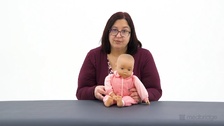
2. Evaluation and Screening
This chapter provides clinicians with objective measures and subjective interview strategies to accurately screen for bowel and bladder issues in infants. Emphasis is placed on observing gross motor milestones and assessing for conditions like diastasis recti to identify physical contributors to pelvic dysfunction.
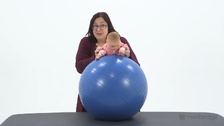
3. Treatment and Interdisciplinary Management
Practitioners will learn to develop comprehensive treatment plans that emphasize gross motor handling, core stabilization, and collaborative care with occupational and speech therapists. The session covers practical interventions, including abdominal massage and positioning strategies, as well as essential parental education to ensure consistent home management.
More courses in this series
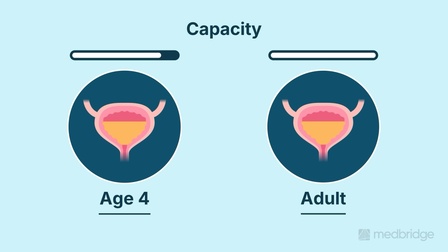
Bowel and Bladder Treatment for Infants
Carina Siracusa
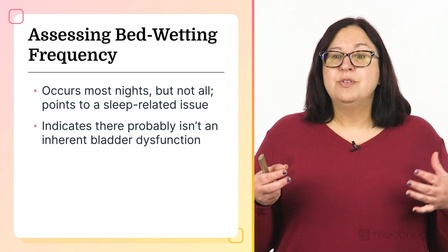
Bowel and Bladder Treatment for Older Children
Carina Siracusa

Pelvic Floor Therapy in the Patient With CVA or MS
Carina Siracusa
Pelvic Floor Therapy for the Person With Spinal Cord Injury
Carina Siracusa
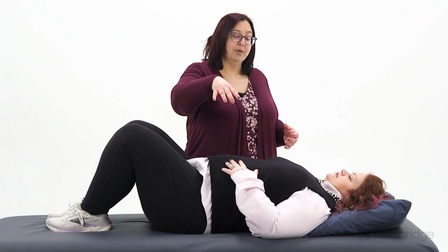
Physical Therapy for Pelvic Pain
Carina Siracusa
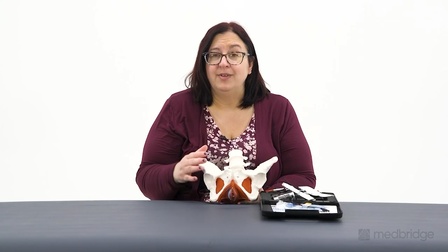
Physical Therapy for Pelvic Surgeries
Carina Siracusa
Frequently asked questions
Everything you need to know about Medbridge courses.
Who creates Medbridge courses?
We work with industry-leaders, top researchers, and consultants to build content roadmaps that are then structured into courses, filmed, and edited by our production team before being launched to our site.
How often does Medbridge release new courses?
New courses are added monthly and are automatically included in your subscription as they launch.
How often does Medbridge update courses?
Medbridge reviews its courses annually for relevance and to assess if content is up to date. Based on these reviews it may be determined that a course is out of date resulting in the course being re-filmed or retired, if the content is no longer needed (e.g. a replacement course already exists, the concepts are no longer best practice, etc.).
How many courses does Medbridge offer?
We have over 3,000 accredited courses and we are continually updating our library with new courses. Check our course library for the most up-to-date count for your discipline.
Are there any additional fees for taking a Medbridge course?
There are no additional fees for taking a Medbridge course, obtaining a course certificate of completion, earning CEUs as a subscriber, or accessing any of the additional tools your subscription may include.
Is there a limit to the number of courses I can take?
There is no limit to the number of courses you can take as a subscriber! As a subscriber to Medbridge, you have unlimited access to over 3,000+ accredited CE courses.
If you are a Premium subscriber, you also have unlimited access to our Patient Engagement Tools such as the Home Exercise Program, Patient Education Library, Orthopedic Exam Tests, and Manual Therapy Techniques. We have over 7,000 exercises and over 650+ videos and handouts of patient education resources with more exercises and patient education added to the library based on subscriber feedback, volume of request and specialities.
What is your refund policy?
You are eligible for a refund provided your request is received within 30 days of your subscription purchase and your account has no activity.