
Pelvic Floor Therapy in the Patient With CVA or MS
Presented by Carina Siracusa
Pelvic floor dysfunction is a frequently unidentified and underaddressed concern for individuals living with multiple sclerosis (MS) or those who have experienced a cerebrovascular accident (CVA). This course provides clinicians with a comprehensive framework to identify, screen, and manage bowel, bladder, and sexual dysfunction within these specific neurologic populations. Participants will learn to distinguish between symptoms that can be managed through conservative therapeutic measures and those requiring referral to a pelvic health specialist. By integrating neurologic and musculoskeletal assessments, practitioners will develop the skills to enhance patient safety, reduce fall risks associated with urgency, and significantly improve the quality of life for their patients. The content bridges the gap between pelvic health and neurorehabilitation, offering evidence-based strategies for interdisciplinary care.
Learning Outcomes
- Analyze the possible implications that a CVA could have on bowel, bladder, or sexual function
- Analyze the possible implications that MS could have on bowel, bladder, or sexual function
- Distinguish which issues need the services of a specialized pelvic floor therapist versus what can be treated by any occupational or physical therapist
- Produce a screening method for bowel, bladder, and sexual issues in this patient population
- Produce a treatment algorithm for bowel, bladder, and sexual issues in this patient population
Meet your instructor

Carina Siracusa
Dr. Carina Siracusa has been a practicing physical therapist since she graduated from Ohio University with her doctorate in physical therapy in 2005. She has practiced in the areas of pediatric, neurologic, oncologic, and pelvic floor physical therapy in her tenure as a physical therapist. She is an assistant professor at…
Chapters & learning objectives

1. Bowel, Bladder, and Sexual Function in Patients With CVA or MS
This chapter outlines the high incidence and specific clinical presentation of pelvic floor issues, such as urinary urgency and constipation, within the MS and stroke populations. Clinicians will examine the neurological pathways involved and how lesion localization directly impacts pelvic organ function and patient quality of life.
2. Evaluation and Screening
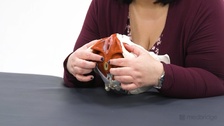
In this section, learners are introduced to a specialized screening tool designed to identify pelvic dysfunction through patient history and noninvasive physical assessments. The content emphasizes interdisciplinary collaboration and provides methods for assessing pelvic floor function without always requiring internal examinations.
3. Treatment
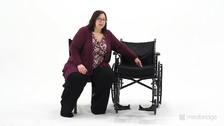
The final chapter details a multidisciplinary treatment algorithm that includes pelvic floor muscle training, manual therapy techniques, and environmental modifications. Practitioners will explore equipment considerations and core stabilization exercises tailored to the unique spasticity and mobility needs of neurologic patients.
More courses in this series
Bowel and Bladder Treatment for Infants
Carina Siracusa

Bowel and Bladder Treatment for Older Children
Carina Siracusa

Pelvic Floor Therapy in the Patient With CVA or MS
Carina Siracusa

Pelvic Floor Therapy for the Person With Spinal Cord Injury
Carina Siracusa
Physical Therapy for Pelvic Pain
Carina Siracusa

Physical Therapy for Pelvic Surgeries
Carina Siracusa
Frequently asked questions
Everything you need to know about Medbridge courses.
Who creates Medbridge courses?
We work with industry-leaders, top researchers, and consultants to build content roadmaps that are then structured into courses, filmed, and edited by our production team before being launched to our site.
How often does Medbridge release new courses?
New courses are added monthly and are automatically included in your subscription as they launch.
How often does Medbridge update courses?
Medbridge reviews its courses annually for relevance and to assess if content is up to date. Based on these reviews it may be determined that a course is out of date resulting in the course being re-filmed or retired, if the content is no longer needed (e.g. a replacement course already exists, the concepts are no longer best practice, etc.).
How many courses does Medbridge offer?
We have over 3,000 accredited courses and we are continually updating our library with new courses. Check our course library for the most up-to-date count for your discipline.
Are there any additional fees for taking a Medbridge course?
There are no additional fees for taking a Medbridge course, obtaining a course certificate of completion, earning CEUs as a subscriber, or accessing any of the additional tools your subscription may include.
Is there a limit to the number of courses I can take?
There is no limit to the number of courses you can take as a subscriber! As a subscriber to Medbridge, you have unlimited access to over 3,000+ accredited CE courses.
If you are a Premium subscriber, you also have unlimited access to our Patient Engagement Tools such as the Home Exercise Program, Patient Education Library, Orthopedic Exam Tests, and Manual Therapy Techniques. We have over 7,000 exercises and over 650+ videos and handouts of patient education resources with more exercises and patient education added to the library based on subscriber feedback, volume of request and specialities.
What is your refund policy?
You are eligible for a refund provided your request is received within 30 days of your subscription purchase and your account has no activity.