
Partnering for Wellness: Rehab’s Role in School Mental Health
Presented by Melissa Sevestre
Mental health disorders affect approximately one in six children annually, with rates significantly higher among students living in poverty or those with pre-existing disabilities. Despite the increasing incidence of anxiety, depression, and trauma-related symptoms, primary school students remain less likely to access formal care than their high school counterparts. This course addresses the critical need for early identification and intervention within the educational system by examining how mental health challenges manifest as academic and social barriers. Participants will explore the physiological impact of stress on the developing brain and learn to recognize subtle "red flags" in student behavior, such as sensory overwhelm, task avoidance, and regression in social skills. Designed for occupational therapists, physical therapists, and speech-language pathologists working in school-based or pediatric settings, this course provides actionable, trauma-informed strategies and classroom accommodations. By fostering an interdisciplinary approach, rehabilitation professionals can bridge the gap between mental well-being and academic participation, ultimately improving long-term functional outcomes for all students.
Learning Outcomes
- List common mental health challenges in school-aged youth, including anxiety, depression, trauma, and behavioral disorders
- Identify how mental health affects learning, classroom participation, and social-emotional development
- Recognize the importance of early identification and intervention for mental health concerns in academic environments
- Outline the key roles of schools, teachers, and educational systems in supporting youth mental health
- Select classroom and school accommodations that address mental health needs and support participation in learning
Meet your instructor

Melissa Sevestre
Dr. Melissa Sevestre has been an occupational therapist for more than 18 years. She earned her bachelor’s degree in special education with a focus on intellectual disabilities from the University of Central Florida. She spent three years teaching individuals with intellectual and developmental disabilities (IDD) and autism…
Chapters & learning objectives
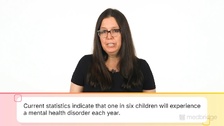
1. Understanding Mental Health in School-Age Children: A Rehab Perspective
This chapter defines childhood mental health through the lens of emotional well-being and relationship-building while providing essential statistics on the prevalence of disorders like anxiety and trauma in schools. Understanding these foundational concepts is vital for rehabilitation providers to recognize how psychological distress alters a child's brain function, motor planning, and sensory processing.

2. Mental Health Matters: How It Shapes Learning in Children
This chapter examines the direct correlation between mental health challenges and academic consequences, such as inconsistent performance, reduced engagement, and communication breakdowns. This section outlines the unique roles of various school staff and emphasizes why early identification by rehab professionals is a key factor in preventing the escalation of these challenges.
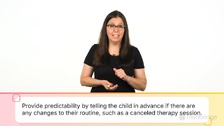
3. Bridging Mental Health and Learning: Strategies for Rehabilitation Professionals
The final chapter delivers practical, trauma-informed intervention strategies and classroom accommodations, including flexible seating, visual schedules, and sensory tools, to support student participation. These tools are essential for practitioners to facilitate collaboration with teachers and families, ensuring that therapeutic supports are integrated into the student's daily routine for maximum impact.
More courses in this series
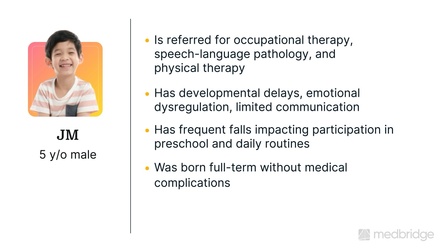
The Impact of ACEs and SDOH on Youth Mental Health
Melissa Sevestre

Shaping Futures: How Mental Health Influences Youth Development
Melissa Sevestre

Partnering for Wellness: Rehab’s Role in School Mental Health
Melissa Sevestre
Building Resilient Youth: Coping Strategies for Rehab Professionals
Melissa Sevestre
Helping Youth Strive: Mindfulness Practice for Rehab Professionals
Melissa Sevestre
Frequently asked questions
Everything you need to know about Medbridge courses.
Who creates Medbridge courses?
We work with industry-leaders, top researchers, and consultants to build content roadmaps that are then structured into courses, filmed, and edited by our production team before being launched to our site.
How often does Medbridge release new courses?
New courses are added monthly and are automatically included in your subscription as they launch.
How often does Medbridge update courses?
Medbridge reviews its courses annually for relevance and to assess if content is up to date. Based on these reviews it may be determined that a course is out of date resulting in the course being re-filmed or retired, if the content is no longer needed (e.g. a replacement course already exists, the concepts are no longer best practice, etc.).
How many courses does Medbridge offer?
We have over 3,000 accredited courses and we are continually updating our library with new courses. Check our course library for the most up-to-date count for your discipline.
Are there any additional fees for taking a Medbridge course?
There are no additional fees for taking a Medbridge course, obtaining a course certificate of completion, earning CEUs as a subscriber, or accessing any of the additional tools your subscription may include.
Is there a limit to the number of courses I can take?
There is no limit to the number of courses you can take as a subscriber! As a subscriber to Medbridge, you have unlimited access to over 3,000+ accredited CE courses.
If you are a Premium subscriber, you also have unlimited access to our Patient Engagement Tools such as the Home Exercise Program, Patient Education Library, Orthopedic Exam Tests, and Manual Therapy Techniques. We have over 7,000 exercises and over 650+ videos and handouts of patient education resources with more exercises and patient education added to the library based on subscriber feedback, volume of request and specialities.
What is your refund policy?
You are eligible for a refund provided your request is received within 30 days of your subscription purchase and your account has no activity.