
Assessing Autism in a Changing Society: Best Practices in Assessment
Presented by JL Parker
Accurate and equitable autism assessment demands more than a checklist—it requires a nuanced, collaborative, and person-centered approach. This course examines how the integration of medical and social models, interdisciplinary team practices, and dynamic assessment strategies can improve the differential diagnosis of autism spectrum disorder. Speech-language pathologists and other healthcare providers will explore best practices for preparing and conducting autism evaluations, including how to interpret formal and informal data sources, work effectively within diverse teams, and consider cultural and contextual factors that influence outcomes. This course is designed for professionals in clinical, educational, and early intervention settings who aim to enhance diagnostic accuracy while honoring the individuality of each client.
Learning Outcomes
- Compare the implications of medical and social models in the assessment and support of individuals with autism spectrum disorders
- Examine the benefits of an interdisciplinary team approach in autism evaluation and intervention
- Clarify the distinct roles and responsibilities of team members within collaborative autism care models
- Formulate outcome decisions using multidimensional data sources
- Design a comprehensive assessment plan integrating both formal and informal tools
- Integrate findings from informal behavioral observations with formal assessment outcomes to determine the presence or absence of autism characteristics
Meet your instructor

JL Parker
JL Parker, PhD, CCC-SLP, is a highly accomplished speech-language pathologist and educator with an extensive background in clinical practice and academic instruction. She earned her PhD in interdisciplinary health sciences from Western Michigan University and holds both a master’s and bachelor’s degree from Central Michigan…
Chapters & learning objectives
1. Models of Assessment
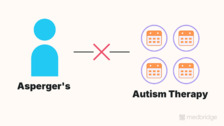
This chapter contrasts the medical and social models of autism assessment, outlining the strengths and limitations of each framework. Learners will explore how both models shape public perception, clinical practice, and self-identity and why balancing clinical criteria with person-centered values is essential for comprehensive care.

2. Interdisciplinary Team Assessment
This chapter emphasizes the importance of a collaborative, interdisciplinary approach in autism evaluations. It defines the roles of key professionals, highlights communication strategies for team-based assessments, and offers guidance for navigating limited resources while maintaining best-practice standards.

3. Assessment Measures
This chapter presents a range of formal and informal assessment tools used in autism evaluations, along with strategies for eliciting authentic behaviors and analyzing inconsistent or incomplete data. It underscores the need for dynamic, culturally responsive assessment plans that go beyond standardized testing to support accurate diagnosis.

Frequently asked questions
Everything you need to know about Medbridge courses.
Who creates Medbridge courses?
We work with industry-leaders, top researchers, and consultants to build content roadmaps that are then structured into courses, filmed, and edited by our production team before being launched to our site.
How often does Medbridge release new courses?
New courses are added monthly and are automatically included in your subscription as they launch.
How often does Medbridge update courses?
Medbridge reviews its courses annually for relevance and to assess if content is up to date. Based on these reviews it may be determined that a course is out of date resulting in the course being re-filmed or retired, if the content is no longer needed (e.g. a replacement course already exists, the concepts are no longer best practice, etc.).
How many courses does Medbridge offer?
We have over 3,000 accredited courses and we are continually updating our library with new courses. Check our course library for the most up-to-date count for your discipline.
Are there any additional fees for taking a Medbridge course?
There are no additional fees for taking a Medbridge course, obtaining a course certificate of completion, earning CEUs as a subscriber, or accessing any of the additional tools your subscription may include.
Is there a limit to the number of courses I can take?
There is no limit to the number of courses you can take as a subscriber! As a subscriber to Medbridge, you have unlimited access to over 3,000+ accredited CE courses.
If you are a Premium subscriber, you also have unlimited access to our Patient Engagement Tools such as the Home Exercise Program, Patient Education Library, Orthopedic Exam Tests, and Manual Therapy Techniques. We have over 7,000 exercises and over 650+ videos and handouts of patient education resources with more exercises and patient education added to the library based on subscriber feedback, volume of request and specialities.
What is your refund policy?
You are eligible for a refund provided your request is received within 30 days of your subscription purchase and your account has no activity.