
Constipation and Fecal Incontinence: Patient Education Strategies
Presented by Heather Rader
This course provides an essential clinical framework for identifying and managing bowel dysfunction, a prevalent yet often underaddressed issue across various healthcare settings. Many general practitioners and allied health professionals lack specific training in pelvic health, leading to a gap in recognizing and treating symptoms of constipation and fecal incontinence. To address this, the curriculum focuses on understanding normal versus abnormal bowel function, recognizing the diagnostic criteria for functional constipation, and identifying common causes of accidental bowel leakage. Participants will learn to implement evidence-based patient education strategies, including dietary modifications, behavioral techniques, and the use of the Bristol stool chart to guide interventions. This training is designed for a multidisciplinary audience, including physical therapists, occupational therapists, nurses, and athletic trainers, and is applicable in settings ranging from acute care and skilled nursing to home health and private practice.
Learning Outcomes
- Identify the six symptoms of the Rome IV diagnostic criteria for constipation
- Differentiate the diagnostic symptoms of five fecal incontinence types, including exertional, urge, flatus, passive fecal soiling, and overflow constipation
- List four patient education strategies for constipation and fecal incontinence
Meet your instructor

Heather Rader
Dr. Heather Rader is the owner of Rader Pelvic Physical Therapy, a practice devoted to the treatment of pregnancy-related pain and dysfunction, incontinence, pelvic organ prolapse, and complex pelvic pain in all genders. A physical therapist since 1994, she graduated from the University of Miami with a master’s degree in…
Chapters & learning objectives

1. Constipation Symptoms
This chapter explores the physiology of normal bowel movements and the three phases of bowel functioning to establish a baseline for healthy digestion. Understanding the diagnostic criteria for functional constipation and how to utilize the Bristol stool chart is critical for clinicians to accurately assess and categorize bowel dysfunction.
2. Types of Fecal Incontinence
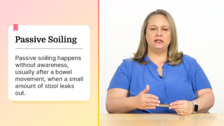
Learners will examine the clinical presentation of five different types of accidental bowel leakage, including urge, exertional, flatus, passive soiling, and overflow constipation. Differentiating these conditions is vital for determining the appropriate clinical pathway and ensuring patients receive specific, effective interventions.

3. Patient Education for Better Bowel Health
This chapter details practical patient education strategies, such as optimizing fiber and fluid intake, establishing a consistent bowel routine, and utilizing proper toileting posture. Implementing these behavioral modifications and self-management tools is essential for improving patient autonomy and achieving long-term improvements in bowel health.
More courses in this series
Bladder and Bowel Function: What’s Normal?
Heather Rader

Overactive Bladder and Incontinence: Patient Education Strategies
Heather Rader

Constipation and Fecal Incontinence: Patient Education Strategies
Heather Rader

Kegel Exercises and the Underactive Pelvic Floor
Heather Rader
Pelvic Pain and the Overactive Pelvic Floor
Heather Rader
Frequently asked questions
Everything you need to know about Medbridge courses.
Who creates Medbridge courses?
We work with industry-leaders, top researchers, and consultants to build content roadmaps that are then structured into courses, filmed, and edited by our production team before being launched to our site.
How often does Medbridge release new courses?
New courses are added monthly and are automatically included in your subscription as they launch.
How often does Medbridge update courses?
Medbridge reviews its courses annually for relevance and to assess if content is up to date. Based on these reviews it may be determined that a course is out of date resulting in the course being re-filmed or retired, if the content is no longer needed (e.g. a replacement course already exists, the concepts are no longer best practice, etc.).
How many courses does Medbridge offer?
We have over 3,000 accredited courses and we are continually updating our library with new courses. Check our course library for the most up-to-date count for your discipline.
Are there any additional fees for taking a Medbridge course?
There are no additional fees for taking a Medbridge course, obtaining a course certificate of completion, earning CEUs as a subscriber, or accessing any of the additional tools your subscription may include.
Is there a limit to the number of courses I can take?
There is no limit to the number of courses you can take as a subscriber! As a subscriber to Medbridge, you have unlimited access to over 3,000+ accredited CE courses.
If you are a Premium subscriber, you also have unlimited access to our Patient Engagement Tools such as the Home Exercise Program, Patient Education Library, Orthopedic Exam Tests, and Manual Therapy Techniques. We have over 7,000 exercises and over 650+ videos and handouts of patient education resources with more exercises and patient education added to the library based on subscriber feedback, volume of request and specialities.
What is your refund policy?
You are eligible for a refund provided your request is received within 30 days of your subscription purchase and your account has no activity.