
Pelvic Pain and the Overactive Pelvic Floor
Presented by Heather Rader
This course provides healthcare practitioners with the clinical knowledge to identify and manage pelvic floor muscle overactivity, a frequently misunderstood driver of chronic pelvic pain. While many clinical programs focus on pelvic floor strengthening, there is a significant practice gap regarding the identification of muscles that are too tense or unable to relax, which can exacerbate symptoms of pain and dysfunction. To address this, the curriculum explores specific clinical indications to assist patients with calming, rather than strengthening, interventions. Participants will learn to implement evidence-based strategies, including diaphragmatic breathing, progressive muscle relaxation, and stretching progressions for the lumbopelvic–hip complex. This training is designed for a multidisciplinary audience—including physical therapists, occupational therapists, and nurses—across settings such as outpatient clinics, hospitals, and home health.
Learning Outcomes
- Identify intrapelvic pain conditions related to pelvic organ dysfunction of the bladder, bowels, and genitalia
- Recall extrapelvic pain conditions related to pelvic joint dysfunction, including the pubic symphysis, sacroiliac, and coccyx joints
- Differentiate overactive pelvic floor muscle dysfunction and its link to bladder, bowel, and pelvic health from normal muscle relaxation during toileting activities
- List physiologic calming strategies, pelvic floor muscle lengthening exercises, lumbopelvic flexibility exercises, and sitting adaptations to reduce pelvic pain symptoms
Meet your instructor

Heather Rader
Dr. Heather Rader is the owner of Rader Pelvic Physical Therapy, a practice devoted to the treatment of pregnancy-related pain and dysfunction, incontinence, pelvic organ prolapse, and complex pelvic pain in all genders. A physical therapist since 1994, she graduated from the University of Miami with a master’s degree in…
Chapters & learning objectives
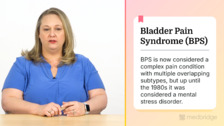
1. Intrapelvic Pain
This chapter explores organ-based pelvic pain conditions involving bladder, bowel, and genital dysfunction. It reviews key clinical presentations of conditions such as bladder pain syndrome / interstitial cystitis, irritable bowel syndrome, and pudendal neuralgia to support effective screening, and it highlights the role of pelvic floor muscle overactivity in persistent pelvic pain.
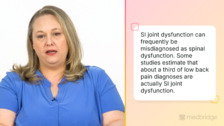
2. Extrapelvic Pain
In this chapter, learners will examine the pelvic joints as a regional component of the lumbopelvic–hip complex. Clinical conditions including coccydynia, pubic symphysis dysfunction, and sacroiliac joint dysfunction will be presented, along with differential diagnosis strategies to distinguish these conditions from spinal, sciatic, or hip joint–related pain. Emphasis will be placed on recognizing regional postural dysfunctions characterized by muscular overactivity, or “gripping” patterns, which can simplify the identification of muscle imbalances and their impact on pelvic floor conditions.

3. Overactive Pelvic Floor Muscles
This chapter examines overactivity of the pelvic floor muscles. Learners will explore the roles of the superficial and deep pelvic floor musculature in sphincteric control of bladder and bowel function, as well as in providing internal postural support for the pelvic organs. The chapter also addresses key clinical features associated with pelvic floor muscle overactivity, including heightened threat detection, myofascial tightness, and muscular tenderness.
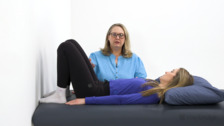
4. How to Calm Overactive Pelvic Floor Muscles
This chapter presents movement-based strategies for calming overactive pelvic floor muscles. It includes physiological relaxation and breathing techniques, as well as pelvic floor lengthening, or reverse Kegel, techniques. Extrapelvic flexibility exercises are demonstrated, and adaptive sitting strategies for individuals experiencing pelvic pain with sitting are discussed.
More courses in this series
Bladder and Bowel Function: What’s Normal?
Heather Rader
Overactive Bladder and Incontinence: Patient Education Strategies
Heather Rader

Constipation and Fecal Incontinence: Patient Education Strategies
Heather Rader

Kegel Exercises and the Underactive Pelvic Floor
Heather Rader
Pelvic Pain and the Overactive Pelvic Floor
Heather Rader
Frequently asked questions
Everything you need to know about Medbridge courses.
Who creates Medbridge courses?
We work with industry-leaders, top researchers, and consultants to build content roadmaps that are then structured into courses, filmed, and edited by our production team before being launched to our site.
How often does Medbridge release new courses?
New courses are added monthly and are automatically included in your subscription as they launch.
How often does Medbridge update courses?
Medbridge reviews its courses annually for relevance and to assess if content is up to date. Based on these reviews it may be determined that a course is out of date resulting in the course being re-filmed or retired, if the content is no longer needed (e.g. a replacement course already exists, the concepts are no longer best practice, etc.).
How many courses does Medbridge offer?
We have over 3,000 accredited courses and we are continually updating our library with new courses. Check our course library for the most up-to-date count for your discipline.
Are there any additional fees for taking a Medbridge course?
There are no additional fees for taking a Medbridge course, obtaining a course certificate of completion, earning CEUs as a subscriber, or accessing any of the additional tools your subscription may include.
Is there a limit to the number of courses I can take?
There is no limit to the number of courses you can take as a subscriber! As a subscriber to Medbridge, you have unlimited access to over 3,000+ accredited CE courses.
If you are a Premium subscriber, you also have unlimited access to our Patient Engagement Tools such as the Home Exercise Program, Patient Education Library, Orthopedic Exam Tests, and Manual Therapy Techniques. We have over 7,000 exercises and over 650+ videos and handouts of patient education resources with more exercises and patient education added to the library based on subscriber feedback, volume of request and specialities.
What is your refund policy?
You are eligible for a refund provided your request is received within 30 days of your subscription purchase and your account has no activity.