
Evidence-Based Treatment of the Foot and Ankle: An Update
Presented by Alexis Wright
Non-Financial: Lexie Wright has no competing non-financial interests or relationships with regard to the content presented in this course.
In this course, learners will experience the recommended evidence-based interventions for the foot and ankle. Users will recognize the more prevalent foot/ankle pathologies seen in musculoskeletal practice and understand the proposed benefit to classifying foot/ankle conditions through use of the Pain and Disability Drivers Management model. Techniques used to target the primary impairment are explained, as well as the adjunctive techniques used to target the primary impairment and secondary contributors, and the techniques used to target global conditional issues. Learners will analyze the effectiveness of each technique for treatment within the classifications. Throughout the course, current research is presented to provide learners with the proper tools for evidence-based management of these patients. This course is part of a comprehensive clinical series covering examination and intervention for the cervical, thoracic, and lumbar spine, as well as the upper (shoulder, elbow, wrist, and hand) and lower (hip, pelvis, knee, foot, and ankle) quarters.
Meet your instructor

Alexis Wright
Alexis A. Wright serves as professor and program director for the Tufts DPT Boston program. Wright has been invested in DPT education since 2011. She was recognized as a fellow of the American Academy of Orthopaedic Manual Physical Therapists in 2011 and achieved APTA board-certified orthopedic specialization in 2015. Wright…
Chapters & learning objectives

1. Common Pathologies of the Foot and Ankle
In this chapter, learners will recognize the more prevalent foot and ankle pathologies seen in musculoskeletal practice. One of the key goals is geared toward understanding the etiology behind each of the pathologies and the prognosis of each.

2. Pain and Disability Drivers of the Foot/Ankle
The primary pain and disability drivers for the foot and ankle include: (1) nociceptive pain elements, (2) neuropathic pain elements, (3) comorbidity pain and disability elements, (4) mood and cognitive pain and disability elements, and (5) social and environmental disability elements. Each of the domains that is specific to the foot/ankle is discussed.

3. Interventions Directed at Impairments Specific to the Involved Joint
This chapter reviews the techniques used to target pain relief or strength, specifically toward the targeted region that is impaired within the foot/ankle. The chapter will analyze the effectiveness of each technique for treatment within the local impairment classification.

4. Regional Interventions Directed at Structures That Mediate the Impaired Level
In this chapter, learners will review the adjunctive techniques used to target the primary impairment and secondary contributors. Learners will analyze the effectiveness of each technique for treatment within the regional designation.

5. Global-Body or Whole-Person-Directed Interventions
Within this chapter, the focus is less on the impairment and more on motor control, proprioception, cognitions, behaviors, and whole-body conditioning. Learners will review techniques associated with lifestyle medicine, global management, and cognitive-behavioral approaches.
More courses in this series

Crucial Factors Influencing Health & Recovery in Musculoskeletal Care
Chad E. Cook

Evidence-Based Examination of the Cervical Spine: An Update
Chad E. Cook

Evidence-Based Treatment of the Cervical Spine: An Update
Chad E. Cook

Cervical Spine Examination and Treatment: Cases to Synthesize Learning
Chad E. Cook

Evidence-Based Examination of the Thoracic Spine: An Update
Chad E. Cook

Evidence-Based Treatment of the Thoracic Spine: An Update
Chad E. Cook

Thoracic Spine Examination and Treatment: Cases to Synthesize Learning
Chad E. Cook

Evidence-Based Examination of the Lumbar Spine: An Update
Chad E. Cook

Evidence-Based Treatment of the Lumbar Spine: An Update
Chad E. Cook

Lumbar Spine Examination and Treatment: Cases to Synthesize Learning
Chad E. Cook

Evidence-Based Examination of the Elbow, Wrist, and Hand: An Update
Chad E. Cook

Evidence-Based Treatment of the Elbow, Wrist, and Hand: An Update
Chad E. Cook

Elbow, Wrist, and Hand Examination and Treatment: Cases to Synthesize Learning
Chad E. Cook

A Primer on Exercise and Treatment Prescription
Alexis Wright

Evidence-Based Examination of the Hip: An Update
Alexis Wright
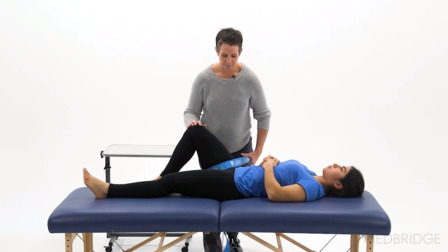
Evidence-Based Treatment of the Hip: An Update
Alexis Wright

Hip Examination and Treatment: Cases to Synthesize Learning
Alexis Wright

Evidence-Based Examination of the Foot and Ankle: An Update
Alexis Wright

Evidence-Based Treatment of the Foot and Ankle: An Update
Alexis Wright

Foot and Ankle Examination and Treatment: Cases to Synthesize Learning
Alexis Wright

Evidence-Based Examination of the SIJ/Pelvis
Alexis Wright

Evidence-Based Treatment of the SIJ/Pelvis
Alexis Wright

A Primer on Examination and Treatment Metrics
Eric Hegedus

Evidence-Based Examination of the Shoulder: An Update
Eric Hegedus

Special Tests of the Shoulder
Eric Hegedus

Evidence-Based Treatment of the Shoulder: An Update
Eric Hegedus

Management of the Shoulder: Case-Based Vignettes
Eric Hegedus

Evidence-Based Examination of the Knee and Thigh: An Update
Eric Hegedus
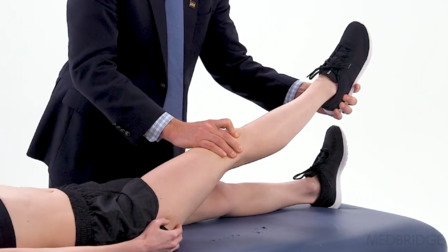
Special Tests of the Knee
Eric Hegedus

Evidence-Based Treatment of the Knee and Thigh: An Update
Eric Hegedus

Management of the Knee and Thigh: Case-Based Vignettes
Eric Hegedus
Frequently asked questions
Everything you need to know about Medbridge courses.
Who creates Medbridge courses?
We work with industry-leaders, top researchers, and consultants to build content roadmaps that are then structured into courses, filmed, and edited by our production team before being launched to our site.
How often does Medbridge release new courses?
New courses are added monthly and are automatically included in your subscription as they launch.
How often does Medbridge update courses?
Medbridge reviews its courses annually for relevance and to assess if content is up to date. Based on these reviews it may be determined that a course is out of date resulting in the course being re-filmed or retired, if the content is no longer needed (e.g. a replacement course already exists, the concepts are no longer best practice, etc.).
How many courses does Medbridge offer?
We have over 3,000 accredited courses and we are continually updating our library with new courses. Check our course library for the most up-to-date count for your discipline.
Are there any additional fees for taking a Medbridge course?
There are no additional fees for taking a Medbridge course, obtaining a course certificate of completion, earning CEUs as a subscriber, or accessing any of the additional tools your subscription may include.
Is there a limit to the number of courses I can take?
There is no limit to the number of courses you can take as a subscriber! As a subscriber to Medbridge, you have unlimited access to over 3,000+ accredited CE courses.
If you are a Premium subscriber, you also have unlimited access to our Patient Engagement Tools such as the Home Exercise Program, Patient Education Library, Orthopedic Exam Tests, and Manual Therapy Techniques. We have over 7,000 exercises and over 650+ videos and handouts of patient education resources with more exercises and patient education added to the library based on subscriber feedback, volume of request and specialities.
What is your refund policy?
You are eligible for a refund provided your request is received within 30 days of your subscription purchase and your account has no activity.