
A Primer on Examination and Treatment Metrics
Presented by Eric Hegedus
Non-Financial: Eric Hegedis cites his research in this course, but does not use the course for the purpose of promoting his own research.
In this course, learners will be introduced to the Pain and Disability Drivers Management model and gain a greater understanding of the metrics that govern the examination and treatment processes. The examination process is based fundamentally on an understanding of epidemiology and measures such as prevalence and incidence. Examination metrics include measures like sensitivity, specificity, and likelihood ratios, applied with the goal of modifying pretest probability to get closer to some diagnosis (ruling in) and further away from others (ruling out). The goal of intervention is to produce superior patient outcomes. This course will provide a brief overview of outcome measures and discuss common treatment metrics, including p-value, effect size, and number needed to treat. In addition, prognostic factors will be discussed as they relate to outcomes and important measures like the minimal detectable change. This course is part of a comprehensive clinical series covering examination and intervention for the cervical, thoracic, and lumbar spine, as well as the upper (shoulder, elbow, wrist, and hand) and lower (hip, pelvis, knee, foot, and ankle) quarters.
Meet your instructor

Eric Hegedus
Dr. Eric J. Hegedus has had a notable 21-year career as a leader and innovator in physical therapist education, research, and clinical practice and is founding chair of the Doctor of Physical Therapy Department at High Point University. Dr. Hegedus also is founder and director of Targeted Enhanced Athletic Movement (TEAM), a…
Chapters & learning objectives

1. Orthopedic Excellence Series Introduction
In this chapter, learners will be introduced to the Orthopedic Excellence Series and the constructs of this series, including the Pain and Disability Drivers Management model. Learners will become familiar with common epidemiological terms and statistics that govern diagnostic accuracy and their clinical application.

2. Helpful Epidemiological Terms
In this chapter, learners will be introduced to terms that are helpful to understand when contemplating valuable information from a patient history, like incidence, prevalence, risk, and prognosis.

3. Screening and Diagnosis
In this chapter, learners will gain a greater understanding of the language of diagnosis and explore the importance of screening, diagnostic accuracy, and quality of diagnostic accuracy studies.

4. Measuring Outcomes and Treatment Effects
In this chapter, learners will become familiar with the categories of outcome measures and the importance of these measures in performing a thorough patient interview as well as an assessment of treatment effect. Statistics such as minimal detectable change, measures of effect, and floor/ceiling effects will be discussed.
More courses in this series

Crucial Factors Influencing Health & Recovery in Musculoskeletal Care
Chad E. Cook

Evidence-Based Examination of the Cervical Spine: An Update
Chad E. Cook

Evidence-Based Treatment of the Cervical Spine: An Update
Chad E. Cook

Cervical Spine Examination and Treatment: Cases to Synthesize Learning
Chad E. Cook

Evidence-Based Examination of the Thoracic Spine: An Update
Chad E. Cook

Evidence-Based Treatment of the Thoracic Spine: An Update
Chad E. Cook

Thoracic Spine Examination and Treatment: Cases to Synthesize Learning
Chad E. Cook

Evidence-Based Examination of the Lumbar Spine: An Update
Chad E. Cook

Evidence-Based Treatment of the Lumbar Spine: An Update
Chad E. Cook

Lumbar Spine Examination and Treatment: Cases to Synthesize Learning
Chad E. Cook

Evidence-Based Examination of the Elbow, Wrist, and Hand: An Update
Chad E. Cook

Evidence-Based Treatment of the Elbow, Wrist, and Hand: An Update
Chad E. Cook

Elbow, Wrist, and Hand Examination and Treatment: Cases to Synthesize Learning
Chad E. Cook

A Primer on Exercise and Treatment Prescription
Alexis Wright

Evidence-Based Examination of the Hip: An Update
Alexis Wright
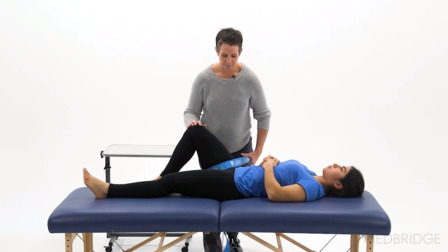
Evidence-Based Treatment of the Hip: An Update
Alexis Wright

Hip Examination and Treatment: Cases to Synthesize Learning
Alexis Wright

Evidence-Based Examination of the Foot and Ankle: An Update
Alexis Wright

Evidence-Based Treatment of the Foot and Ankle: An Update
Alexis Wright

Foot and Ankle Examination and Treatment: Cases to Synthesize Learning
Alexis Wright

Evidence-Based Examination of the SIJ/Pelvis
Alexis Wright

Evidence-Based Treatment of the SIJ/Pelvis
Alexis Wright

A Primer on Examination and Treatment Metrics
Eric Hegedus

Evidence-Based Examination of the Shoulder: An Update
Eric Hegedus

Special Tests of the Shoulder
Eric Hegedus

Evidence-Based Treatment of the Shoulder: An Update
Eric Hegedus

Management of the Shoulder: Case-Based Vignettes
Eric Hegedus

Evidence-Based Examination of the Knee and Thigh: An Update
Eric Hegedus
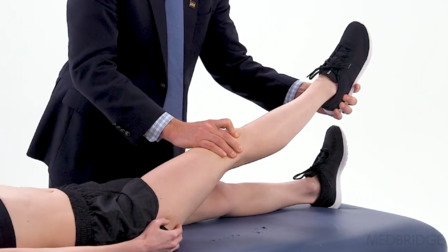
Special Tests of the Knee
Eric Hegedus

Evidence-Based Treatment of the Knee and Thigh: An Update
Eric Hegedus

Management of the Knee and Thigh: Case-Based Vignettes
Eric Hegedus
Frequently asked questions
Everything you need to know about Medbridge courses.
Who creates Medbridge courses?
We work with industry-leaders, top researchers, and consultants to build content roadmaps that are then structured into courses, filmed, and edited by our production team before being launched to our site.
How often does Medbridge release new courses?
New courses are added monthly and are automatically included in your subscription as they launch.
How often does Medbridge update courses?
Medbridge reviews its courses annually for relevance and to assess if content is up to date. Based on these reviews it may be determined that a course is out of date resulting in the course being re-filmed or retired, if the content is no longer needed (e.g. a replacement course already exists, the concepts are no longer best practice, etc.).
How many courses does Medbridge offer?
We have over 3,000 accredited courses and we are continually updating our library with new courses. Check our course library for the most up-to-date count for your discipline.
Are there any additional fees for taking a Medbridge course?
There are no additional fees for taking a Medbridge course, obtaining a course certificate of completion, earning CEUs as a subscriber, or accessing any of the additional tools your subscription may include.
Is there a limit to the number of courses I can take?
There is no limit to the number of courses you can take as a subscriber! As a subscriber to Medbridge, you have unlimited access to over 3,000+ accredited CE courses.
If you are a Premium subscriber, you also have unlimited access to our Patient Engagement Tools such as the Home Exercise Program, Patient Education Library, Orthopedic Exam Tests, and Manual Therapy Techniques. We have over 7,000 exercises and over 650+ videos and handouts of patient education resources with more exercises and patient education added to the library based on subscriber feedback, volume of request and specialities.
What is your refund policy?
You are eligible for a refund provided your request is received within 30 days of your subscription purchase and your account has no activity.